
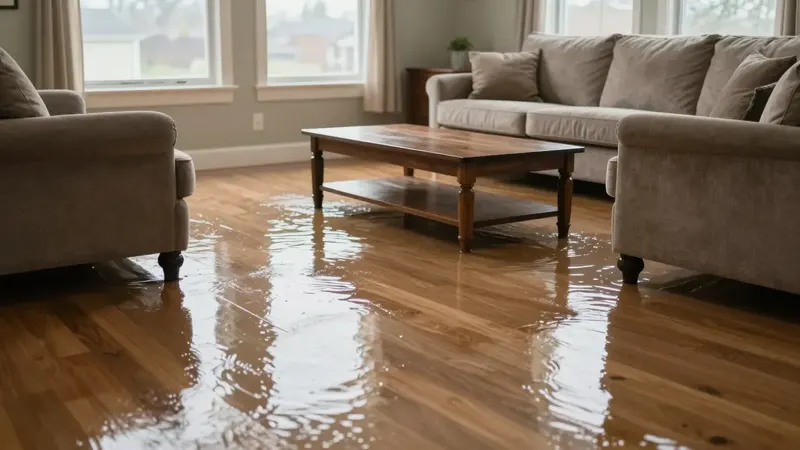
When a river, creek, or flash flood pushes water into a house, the first job is physical: pumping out what is left, shoveling out mud and silt, and hauling away carpet, drywall, and furnishings that cannot be saved. People searching for flood cleanup or flood water extraction usually need exactly this stage, the dirty work that comes before drying and rebuilding.
Fire & Water Energy is a referral service, not a contractor. Call (866) 937-3230 and we'll try to connect you with an independent restoration contractor who handles flood cleanup in your area; whether a provider is available depends on who serves your location.
Situations that call for flood cleanup
Flood cleanup applies when outside water has entered the living space, as opposed to a leak from inside the home. Typical cases include:
- Overflowing rivers or streams that leave a layer of mud across floors.
- Flash flooding from heavy rain that pours through doors and low windows.
- Street flooding that backs up into an attached garage or ground-floor rooms.
- Below-grade spaces that fill with water; see basement flood cleanup for that specific situation.
Floodwater is treated as contaminated. The CDC cautions that flood water may contain trash, and the EPA notes it can carry bacteria or chemical hazards that cause wound infections and rashes. That is why cleanup leans heavily on removal and disinfection rather than simple drying.
Safety before anyone starts shoveling
Go back only when local authorities say it is safe. Ready.gov advises against touching wet electrical equipment or touching anything while standing in water, and to shut off power only if you can do so safely. If you smell gas, see shifted walls or sagging floors, or feel unsure about the structure, leave and call 911 or your utility.
- Do wear heavy gloves, rubber boots, and protective clothing, and use a mask around mold or debris.
- Do watch for snakes and other animals that may have come in with the water.
- Do not wade through floodwater; it can hide debris, and downed or underground power lines can electrify it.
- Do not run a generator or gas-powered pump indoors or near windows. The EPA warns that carbon monoxide from fuel-burning equipment can kill in minutes.
- Do not let children help with cleanup, and people with asthma, lung conditions, or weakened immune systems should stay out of moldy or damp buildings.
What a typical flood cleanup contractor does
Crews vary, but a reputable company will usually work through these stages:
- Hazard check. Confirm power is off to flooded circuits, look for gas leaks and structural concerns, and note possible asbestos or lead materials in older homes.
- Flood water extraction. Pump and vacuum standing water. The EPA cautions that removing several feet of water too quickly can crack and collapse walls and floors, so deep water is often lowered in stages.
- Mud and silt removal. Shovel, squeegee, and wash out sediment from floors, wall cavities, and ductwork openings.
- Tear-out. Remove soaked carpet, pad, drywall, insulation, and other porous materials. The CDC says to throw away items that cannot be disinfected, such as wall coverings, cloth, rugs, and drywall.
- Cleaning and disinfection. Wash hard surfaces with soap and water, then disinfect.
- Handoff to drying. Set up fans and dehumidifiers or coordinate with a structural drying phase, with moisture readings to track progress.
Need help with flood cleanup?
Call (866) 937-3230 and tell us what happened and where.
Photos, samples, and your insurance claim
Most homeowners policies do not cover flood damage, according to FloodSmart, so a flood claim usually goes through a separate flood policy if you have one. Coverage depends on your policy; check with your insurer or agent before discarding large items.
- Photograph and video every room after the water recedes and before cleanup changes the scene.
- Record the make, model, and serial number of damaged appliances and electronics.
- FloodSmart recommends keeping samples of damaged carpet, flooring, and curtains for the adjuster.
- Talk with your agent or adjuster before signing a contract with a cleaning contractor.
Questions to ask a flood cleanup company
Because Fire & Water Energy only makes referrals, the hiring decision is yours. Ask any contractor:
- Do you hold the contractor license your state requires for this work, and can you show proof of liability and workers' compensation insurance?
- Will you give a written estimate and scope before starting?
- Do you follow the IICRC S500 standard for water damage, and does anyone on the crew hold IICRC certification?
- How will you handle contaminated (Category 3) water and protect workers?
- Will you take and share moisture readings so we know when materials are dry?
- How will you dispose of debris, and are you prepared to test for asbestos or lead before tearing out older materials?
How flood cleanup differs from related services
Flood cleanup is the removal phase. Flood damage restoration covers the full path from cleanup through drying and rebuilding. Water extraction is narrower and focuses only on pulling water out with pumps and vacuums, often for clean-water leaks. If sewage backed up along with the flood, sewage cleanup protocols apply, and if mold has already appeared, mold remediation may be needed. See how it works for how referrals are made.
Frequently asked questions
Can I clean up a flooded room myself?
Many homeowners handle small areas with proper protective gear, but floodwater is considered contaminated and heavy tear-out is physically demanding. Large areas, deep water, or older homes that may contain asbestos or lead paint are often better left to an experienced contractor.
What should I throw away after a flood?
The CDC says to discard items that cannot be disinfected, such as wall coverings, cloth, rugs, and drywall. Photograph everything first and keep samples of carpet and flooring if you plan to file a flood insurance claim.
How do I disinfect hard surfaces after floodwater?
The CDC recommends cleaning walls, hard floors, and other surfaces with soap and water first, then disinfecting with a mixture of 1 cup of bleach in 1 gallon of water. Never mix bleach with ammonia or other cleaners, and keep the area ventilated.
Is flood water extraction different from regular water extraction?
The equipment is similar, but floodwater carries mud, debris, and contaminants, so extraction is followed by sediment removal, tear-out, and disinfection. Water from a clean supply line leak usually needs less removal of materials.
Will my homeowners insurance pay for flood cleanup?
FloodSmart notes that most homeowners insurance does not cover flood damage. A separate flood policy may apply, but coverage depends on your specific policy, so check with your insurer or agent.
How soon should cleanup start?
The EPA notes that things that stay wet for more than two days usually get moldy, so it helps to begin as soon as authorities say it is safe to return. Safety comes first; do not enter if there are electrical, gas, or structural hazards.
Related services
Find flood cleanup help by state
- Florida
- Georgia
- Texas
- Louisiana
- Alabama
- Mississippi
- California
- South Carolina
- North Carolina
- Tennessee
- Arizona
- New Mexico
- Virginia
- Maryland
- Oregon
- Washington