
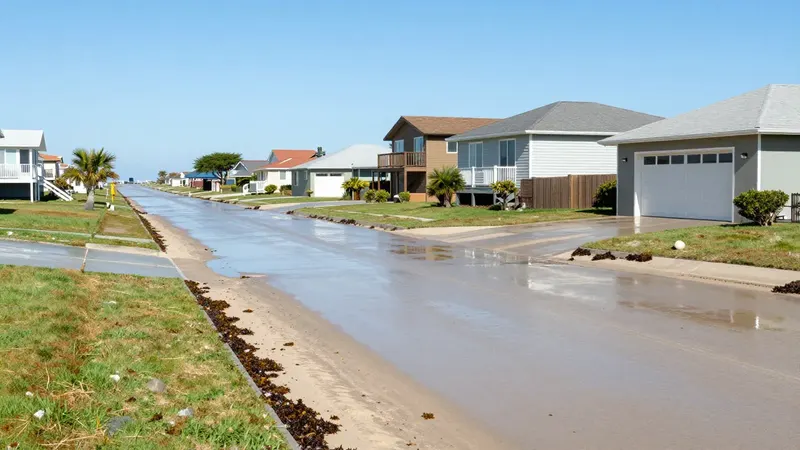
Water damage in Mississippi can come from almost any direction: storm surge along the Mississippi Sound, rivers rising in the Delta and along the Pearl, tornadoes in the spring and a hard freeze that strains plumbing and city water systems. Fire and smoke damage add to the list year-round.
Fire & Water Energy is a referral service, not a contractor. Call (866) 937-3230 and we'll try to connect you with an independent restoration contractor who works in your part of Mississippi. Availability depends on the independent providers in your area.
What Drives Water Damage in Mississippi
Rainfall generally increases from north to south. Clarksdale in the northwest averages about 50 inches a year, while Biloxi on the coast gets about 61 inches, and the coast is the most humid part of the state. Thunderstorms are frequent, especially in the south, and flooding can occur in any season from December through June.
The state averages about 27 tornadoes a year, with the north seeing more early in the year and the south more later on. Two of the five deadliest tornadoes in U.S. history struck Mississippi, at Natchez and at Tupelo. Hurricane risk peaks in late summer and fall. Snow is scarce, but winter storms still cause problems when temperatures drop below freezing for long stretches.
Storm Surge on the Gulf Coast
Hurricane Camille struck the Mississippi coast on August 17, 1969, as a Category 5 storm. Hurricane Katrina followed on August 29, 2005, making final landfall near the Louisiana-Mississippi border with its eyewall passing over Bay St. Louis and Waveland. Katrina's storm surge reached 25 to 28 feet above normal tide along parts of the coast, pushed about 6 miles inland in many areas and up to 12 miles along bays and rivers. Both storms caused nearly total surge destruction in Gulfport, Biloxi and Pascagoula.
Saltwater surge differs from a burst pipe. It carries mud, sewage and debris, so contractors commonly treat it as contaminated water, remove soaked drywall and insulation and clean framing before drying. See hurricane damage cleanup and sewage cleanup for how that work is usually handled.
Restoration help in Mississippi
Call (866) 937-3230 and tell us what happened and where in Mississippi.
River Flooding in the Delta and Along the Pearl
The Great Mississippi Flood of 1927 broke levees and covered about 27,000 square miles of the Delta, with Washington and Bolivar counties among the hardest hit. Earlier floods in 1865, 1867, 1874, 1882 and 1912 to 1913 also swamped parts of the region, and river flooding remains a seasonal concern there.
Inland rivers matter too. In late August 2022, the Pearl River at Jackson crested at 35.37 feet, well above its 28-foot flood stage, contributing to the failure of the city's main water treatment plant. River flooding usually means slow-rising water that sits for days, so mud removal, cleaning and thorough drying of floors and walls are typical first steps. Learn more about flood damage restoration.
Tornadoes, Freezes and Other Inland Damage
On March 24, 2023, a high-end EF4 tornado with estimated peak winds of 195 mph tore through Rolling Fork, Silver City and Midnight in the Delta. Tornadoes like this one leave homes open to rain, and the water that follows can do as much harm to drywall, flooring and contents as the wind.
Winter brings its own risks. In February 2021, a winter storm shut down Jackson's O.B. Curtis water treatment plant and left residents without water for about a month. Inside homes, long freezes can crack pipes in exterior walls and crawl spaces. If a line bursts, shut off the main valve and read our guide to burst pipe water damage.
Regional Differences Across the State
- Gulf Coast: Storm surge, hurricane wind and the highest rainfall and humidity, which can speed up mold growth after any leak.
- Pine Belt and Southwest Mississippi: Inland tropical rain, wind-thrown trees and flash flooding along creeks and rivers.
- Jackson Metro and Central Mississippi: Pearl River flooding, severe storms and freeze-related plumbing failures.
- The Delta: River flooding, backwater and violent tornadoes on flat, open land.
- North Mississippi and the Golden Triangle: Early-season tornadoes, heavy spring storms and occasional winter weather.
Insurance and Contractor Licensing in Mississippi
The Mississippi Insurance Department notes that standard homeowners policies do not cover flood damage from rising water, that flood policies have a 30-day waiting period, and that many insurers stop taking new applications once a hurricane enters the Gulf. Windstorm damage is usually covered by standard policies, but if yours has a windstorm exclusion, the Mississippi Windstorm Underwriting Association may provide that coverage. Coverage depends on your policy; check with your insurer or agent.
The department also advises photographing damage before and after repairs, keeping receipts for living expenses and confirming that any adjuster is licensed. For repairs, it recommends licensed, reputable contractors. The Mississippi State Board of Contractors licenses commercial and residential contractors and roofers and offers an online license search.
Staying Safe and Finding Official Alerts
- Never walk or drive through floodwater; it can hide washed-out roads and carry contaminants.
- Keep the power off in flooded areas until an electrician says it is safe, and watch for downed lines outside.
- Avoid open flames if you suspect a gas leak, and leave the building.
- Do not enter a structure that may collapse.
The Mississippi Emergency Management Agency posts preparedness guides, alert information, shelter details and a way to report damage. Follow your local National Weather Service forecast for watches and warnings, and call 911 in an emergency.
Restoration guides
- Hurricane Damage Cleanup
- Flood Damage Restoration
- Storm Damage Cleanup
- Water Damage Restoration
- Sewage Cleanup
- Mold Remediation
- Burst Pipe Water Damage
- Fire Damage Restoration
Mississippi restoration FAQs
Is Fire & Water Energy a restoration company?
No. Fire & Water Energy is a referral service. Call (866) 937-3230 and we will try to connect you with an independent restoration contractor who serves your area in Mississippi.
Does homeowners insurance cover hurricane flooding in Mississippi?
According to the Mississippi Insurance Department, standard homeowners policies do not cover flood damage caused by rising water. Flood coverage is usually a separate policy, such as one through the National Flood Insurance Program. Check with your insurer or agent about your own policy.
What is the Mississippi windpool?
The Mississippi Windstorm Underwriting Association can provide wind coverage when a property owner's policy has a windstorm exclusion. Ask your agent whether your property qualifies.
How can I verify a contractor's license in Mississippi?
Search the Mississippi State Board of Contractors website. The board licenses commercial and residential contractors and roofers.
What should I do first after water gets into my home?
Make sure the building is safe, stop the water source if you can, and photograph everything before moving items. Then call your insurer and a restoration contractor so drying can start before mold has a chance to grow.
Sources
- Climate of Mississippi (Wikipedia)
- Hurricane Katrina (Wikipedia)
- 2023 Rolling Fork-Silver City tornado (Wikipedia)
- Jackson, Mississippi water crisis (Wikipedia)
- Mississippi Insurance Department: Consumer Hurricane Checklist
- Mississippi State Board of Contractors
- Mississippi Emergency Management Agency
- NFIP Flood Insurance 101