
Fire & Water Energy is a referral service, not a restoration company. Call (866) 937-3230 and we'll try to connect you with an independent restoration contractor serving your part of New Mexico. Whether a provider is available depends on independent companies near you.
Here is what drives fire, smoke and water damage across the state, how the risks change from the Rio Grande valley to the eastern plains and northern mountains, and where to find official insurance, licensing and alert information.
Wildfire is New Mexico's signature disaster
Close to a third of New Mexico is timberland, and its forested mountains have produced the largest fires in state history. The Hermits Peak/Calf Canyon Fire in 2022 burned 341,471 acres in San Miguel, Mora and Taos counties after a U.S. Forest Service prescribed burn escaped control. It destroyed at least 903 structures, including several hundred homes, and surpassed the 2012 Whitewater-Baldy Complex as the largest wildfire on record in the state. Ash in the Gallinas watershed threatened the water supply for Las Vegas.
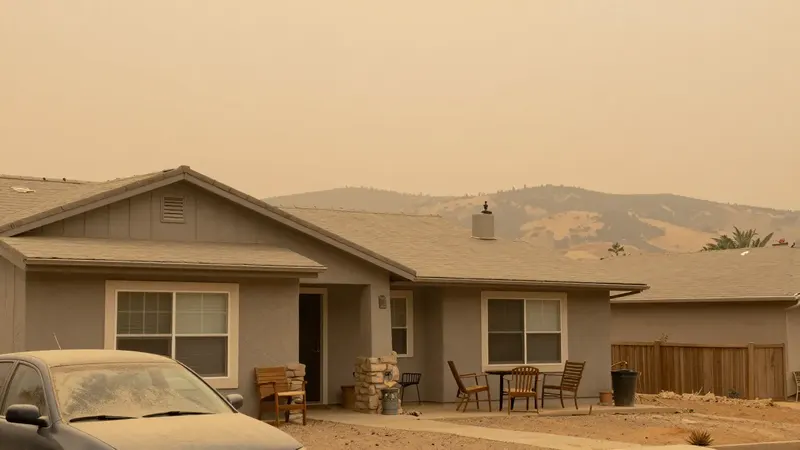
In June 2024, the South Fork and Salt fires near Ruidoso damaged or destroyed an estimated 1,400 structures, and two deaths were confirmed in the first days. Homes that are not burned can still need cleaning for soot and smoke odor. See fire damage restoration, smoke damage cleanup and soot removal.
Burn-scar flash floods and the monsoon
Summer brings most of New Mexico's rain. The North American monsoon usually reaches the state in early July, and storms build in the afternoon and evening. A storm can cause a flash flood many miles from where the rain falls, and dry arroyos can fill in minutes. In Albuquerque, storms funneled into the Rio Grande Valley by the Sandia and Manzano mountains led the city to build concrete-lined arroyos and retention structures.
The danger multiplies below burn scars. On June 19, 2024, while the South Fork Fire was still burning, the National Weather Service issued a flash flood emergency for the Ruidoso area. Runoff from several burn scars sent water, mud and debris downhill, and the Rio Ruidoso rose about 6 feet. Our flood cleanup and storm water damage restoration guides cover what usually happens next.
Restoration help in New Mexico
Call (866) 937-3230 and tell us what happened and where in New Mexico.
How damage patterns differ by region
- Albuquerque and the middle Rio Grande (Rio Rancho, Los Lunas, Belen, Socorro): monsoon storms, arroyo flooding and roof leaks.
- Northern mountains (Santa Fe, Los Alamos, Taos, Las Vegas, Española): wildfire, post-fire flooding and the coldest winters in the state, when freezing nights can burst pipes.
- Four Corners and the northwest (Farmington, Gallup, Grants): high desert on the Colorado Plateau with cold winters and summer thunderstorms.
- South-central mountains (Ruidoso, Alamogordo): wildfire followed by burn-scar flash flooding.
- Southern desert (Las Cruces, Deming, Silver City): the Chihuahuan Desert, where summer storms can overwhelm dry ground.
- Eastern plains (Clovis, Roswell, Hobbs, Carlsbad): the eastern third of the state gets the most rainfall, and the Great Plains extend into this region.
Statewide, average precipitation is only about 13.7 inches a year, ranging from roughly 8 to 10 inches at low elevations to around 40 inches in the high mountains.
Flood insurance basics in New Mexico
The New Mexico Office of Superintendent of Insurance explains that a standard homeowners policy does not cover flood damage. Flood coverage is available through the National Flood Insurance Program in participating communities, and most policies have a 30-day waiting period, so it pays to plan ahead of monsoon season. The office also notes that 25% of flood claims come from moderate-to-low risk areas.
After the 2024 South Fork and Salt fires, the superintendent issued a bulletin on paying residential property claims. Coverage depends on your policy; check with your insurer or agent, and keep photos and receipts for everything you discard.
Checking a contractor's license
The Construction Industries Division of the New Mexico Regulation and Licensing Department licenses contractors and requires licensure for anyone practicing or offering construction contracting. The division points homeowners to an online license search so you can verify a company before work starts.
For mold or water work, ask whether the technicians hold IICRC certification and how the company will confirm materials are dry. A reputable company will usually put the scope of work in writing. See our mold remediation guide.
Safety and official alerts
Never cross running water in an arroyo or on a road; 12 inches of rushing water can carry away most cars, according to the National Weather Service. After a fire, wear protection when handling ash and soot, and stay out of damaged structures until they are cleared. Shut off power to wet areas and leave if you smell gas. Call 911 for emergencies.
The New Mexico Department of Homeland Security and Emergency Management publishes preparedness and disaster recovery information for residents, and the State Fire Marshal is now part of the department. Watch the National Weather Service in Albuquerque or your local office for flash flood warnings.
Restoration guides
- Fire Damage Restoration
- Smoke Damage Cleanup
- Soot Removal
- Flood Cleanup
- Storm Water Damage Restoration
- Water Damage Restoration
- Burst Pipe Water Damage
- Mold Remediation
New Mexico restoration FAQs
Does Fire & Water Energy clean up fire or flood damage in New Mexico?
No. Fire & Water Energy is a referral service. Call (866) 937-3230 and we'll try to connect you with an independent restoration contractor serving your area. Availability depends on local providers.
Why do floods often follow wildfires in New Mexico?
Burned slopes absorb less water, so monsoon rain on a burn scar can send fast runoff, mud and debris into communities below, as happened around Ruidoso in June 2024.
Does homeowners insurance cover flood damage in New Mexico?
The Office of Superintendent of Insurance says a standard homeowners policy does not cover flood. NFIP flood policies usually have a 30-day waiting period. Check with your insurer or agent.
When is monsoon season in New Mexico?
Monsoon moisture typically reaches New Mexico in early July and weakens by mid-September, with storms most common in the afternoon and evening.
How do I verify a contractor's license?
Use the license search linked by the Construction Industries Division of the New Mexico Regulation and Licensing Department before you sign a contract.
Where do I find emergency information?
The New Mexico Department of Homeland Security and Emergency Management, your county emergency manager and your local National Weather Service office provide alerts and recovery information.
Sources
- Climate of New Mexico (Wikipedia)
- Geography of New Mexico (Wikipedia)
- North American monsoon (Wikipedia)
- Calf Canyon/Hermits Peak Fire (Wikipedia)
- KRWG: From fire to flood around Ruidoso (June 2024)
- NM Office of Superintendent of Insurance: Flood
- NM Office of Superintendent of Insurance
- NM RLD Construction Industries Division
- NM Department of Homeland Security and Emergency Management
- National Weather Service Albuquerque
- National Weather Service: Turn Around Don't Drown