
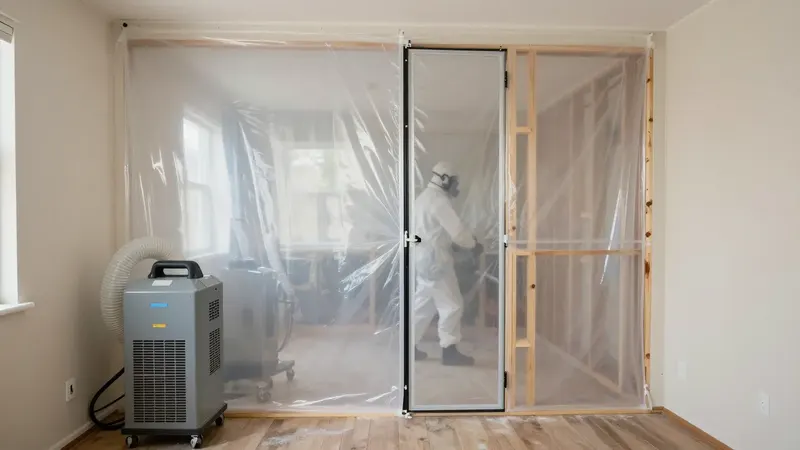
Remediation is the professional end of mold work. Instead of wiping a patch off a bathroom wall, a remediation crew treats the affected area as a work zone: they seal it off, control air movement, remove contaminated materials, clean what remains, and check the space before rebuilding. The goal, as the EPA notes, is not a mold-free building, since it is impossible to eliminate all mold and mold spores indoors. The goal is removing the growth and the moisture that fed it.
Fire & Water Energy does not perform remediation. We are a referral service: call (866) 937-3230 and we will try to connect you with an independent remediation contractor near you, subject to who is available. If you are weighing whether a small patch is something you can clean yourself, start with our mold removal guide.
Situations that usually call for remediation
EPA guidance draws the line at roughly 10 square feet: larger areas of growth, or homes with extensive water damage, are generally a job for an experienced contractor. Other common triggers include:
- Mold found inside wall cavities, attic sheathing, crawlspaces, or under flooring during a repair
- Growth that followed a sewage backup or floodwater, where EPA recommends a professional experienced with contaminated water
- Suspected contamination of ductwork or the air handler
- Recurring mold that keeps returning after cleaning, pointing to an unresolved moisture source
- Occupants with asthma, allergies, or weakened immune systems, who CDC notes can have more serious reactions
- Real estate transactions or insurance claims that need a documented, verifiable process
What a typical remediation job looks like
Methods vary by contractor and by the size of the job, but a reputable company will usually work through these stages:
- Inspection and moisture mapping. The contractor locates visible growth, uses moisture meters and sometimes thermal imaging to trace wet materials, and identifies the water source.
- Written scope. You should receive a plan describing the work areas, materials to be removed, and how success will be judged.
- Containment. Plastic sheeting, sealed doorways, and covered vents isolate the work area. EPA's guidance stresses keeping spores from spreading to areas where occupants could breathe them.
- Negative air and filtration. HEPA-filtered air scrubbers commonly pull air out of the contained area so dust does not drift into the rest of the house.
- Removal of affected materials. Moldy drywall, insulation, carpet, and similar porous materials are typically cut out, bagged inside containment, and removed.
- Cleaning remaining surfaces. Framing and other structural materials are usually HEPA-vacuumed and cleaned. Because dead mold can still cause allergic reactions, physical removal matters more than chemical treatment.
- Drying and moisture correction. The leak or humidity problem must be fixed and materials dried before anything is closed up.
- Verification. Before containment comes down, the area is checked for visible growth, debris, and dust, and moisture readings are confirmed.
Clearance: how you know the job is finished
Clearance is the step homeowners most often skip asking about. At minimum, the work area should have no visible mold or dust, the moisture source should be corrected, and building materials should read dry. Some homeowners also hire an independent assessor, separate from the remediation company, to inspect and sometimes sample the area afterward so the company is not grading its own work.
CDC notes there are no established standards for acceptable mold levels in homes, so any sampling results should be interpreted by someone qualified and compared against outdoor or unaffected areas rather than a single number. Ask your contractor in writing what clearance criteria they will use before work begins.
Need help with mold remediation?
Call (866) 937-3230 and tell us what happened and where.
While you wait for a contractor
- Keep people, especially anyone with lung conditions, away from the affected rooms.
- Do not run the heating or cooling system if you suspect it is contaminated; EPA advises against it.
- Do not tear out moldy drywall or disturb growth on your own, which can spread spores through the house.
- If the problem followed flooding, avoid wet electrical equipment, stay out of rooms with sagging ceilings, and call 911 for emergencies.
- Stop active leaks if it is safe, for example by closing a supply valve.
Documentation and insurance
Photograph the growth, the water source, and any stained ceilings or floors before containment goes up. Keep copies of the contractor's scope, moisture logs, invoices, and any clearance report. Policies treat mold differently depending on its cause and how long the moisture problem existed, so coverage depends on your policy; check with your insurer or agent before authorizing large tear-outs if you plan to file a claim.
Questions to ask a remediation contractor
EPA advises confirming that any contractor has mold cleanup experience and references, and that they follow EPA or other professional guidelines. Useful questions include:
- Does your state require a mold license, and do you hold it? Can you show proof of liability insurance?
- Do you follow the IICRC S520 standard for mold remediation, and is the job supervisor IICRC certified?
- What type of containment and air filtration will you set up?
- How will you identify and fix the moisture source, and will you record moisture readings?
- What are the clearance criteria, and do you object to an independent post-remediation inspection?
- Is the estimate written, itemized, and does it cover rebuilding or only removal?
How remediation fits with related services
Mold removal on this site covers spotting mold and cleaning small areas at home; remediation is the contained, professional process described above. Mold after a backup often requires sewage cleanup first, and growth from a recent leak usually goes hand in hand with structural drying. Once materials are removed and cleared, property damage reconstruction replaces the drywall, insulation, and finishes.
Frequently asked questions
What is the difference between mold removal and mold remediation?
People use the terms interchangeably, but remediation usually describes a controlled professional process with containment, filtered air, removal of affected materials, and a final check. Removal often refers to cleaning visible mold, which a homeowner can do for small areas. Larger or hidden growth generally calls for remediation.
Do I need to leave my home during remediation?
It depends on the size and location of the work and the health of the people living there. Many jobs are contained to one area so the rest of the home stays usable, but people with asthma or weakened immune systems may want to stay elsewhere. Ask your contractor and, if you have health concerns, your doctor.
Will remediation make my home mold-free?
No. EPA states it is impossible to eliminate all mold and spores indoors. Remediation aims to remove active growth and fix the moisture problem so it does not return.
Should someone test after remediation?
Many homeowners ask for a post-remediation check, and some hire an independent assessor so the contractor is not evaluating its own work. Because there are no set standards for acceptable indoor mold levels, results should be interpreted by a qualified person. Agree on clearance criteria before work starts.
Does homeowners insurance pay for mold remediation?
That depends on your policy and on what caused the mold. Sudden, covered water events are often treated differently from long-term leaks or humidity. Check with your insurer or agent and document everything before work begins.
How do I find a remediation contractor?
Call (866) 937-3230 and we will try to connect you with an independent contractor serving your area, depending on availability. Fire & Water Energy is a referral service and does not perform remediation. Ask any contractor about state licensing, insurance, IICRC S520 practices, and clearance criteria.
Related services
Find mold remediation help by state
- Florida
- Georgia
- Texas
- Louisiana
- Alabama
- Mississippi
- California
- South Carolina
- North Carolina
- Tennessee
- Arizona
- New Mexico
- Virginia
- Maryland
- Oregon
- Washington