
Sewage is a different problem from a clean-water leak. Water from a backed-up main line, an overflowing toilet with waste, or a basement floor drain can carry bacteria and other germs, and anything porous it soaks is usually treated as contaminated. In restoration industry terms, this is generally classified as Category 3 water under the IICRC S500 standard, the most serious contamination level.
Fire & Water Energy is a referral service, not a cleanup company. Call (866) 937-3230 and we will try to connect you with an independent contractor who handles sewage work in your area; we cannot promise availability or timing. The EPA recommends that for water from sewage or other contaminated sources, you call a professional experienced with buildings damaged by contaminated water.
Common causes of sewage in the house
- A clogged or collapsed main sewer line pushing waste up through the lowest drain, often a basement floor drain or shower
- Tree roots or grease buildup in the lateral line between the house and the street
- Municipal sewer surcharge during heavy rain, when the public system backs up into homes
- Toilet overflows involving waste, which can soak subfloors and ceilings below
- Septic system failure or a backed-up septic tank
- Floodwater that has mixed with sewage; CDC notes floodwater can contain dangerous bacteria from overflowing sewage
If the backup came with outdoor flooding, our flood cleanup and basement flood cleanup pages cover the wider picture.
First steps and what not to do
Health and electrical safety come before anything else:
- Stop using water. Avoid flushing, showering, or running the washer or dishwasher, which can push more sewage into the house.
- Keep people and pets out, especially children, pregnant people, older adults, and anyone with a weakened immune system.
- Mind the electricity. CDC advises turning off power at the main breaker if wiring or equipment is wet, but never while standing in water; have an electrician do it if you would have to wade in.
- Protect yourself if you must enter. CDC recommends rubber boots, rubber gloves, and goggles when sewage is involved.
- Do not swallow or splash the water. CDC notes swallowing contaminated water can make you sick.
- Wash hands with soap and water after any contact, and before eating.
- If you smell gas, leave and call for help from outside. Never run a generator or pressure washer indoors or in a garage; CDC warns carbon monoxide can build up and cause sudden illness and death.
Call 911 for any emergency and follow instructions from your local utility or emergency management office.
How contractors commonly handle a sewage backup
- Assessment. The contractor confirms the source has stopped or been fixed (often by a plumber), maps where water traveled, and checks moisture in walls and floors.
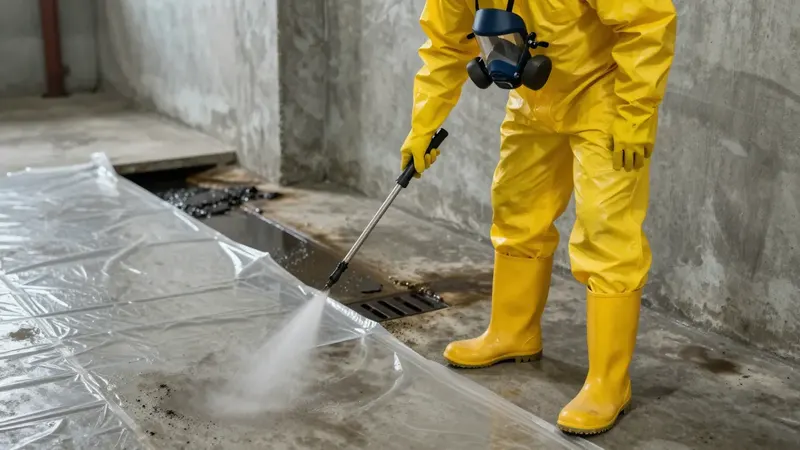
- Protective setup. Workers typically wear protective suits, gloves, boots, and respirators, and may isolate the area to limit tracking contamination through the house.
- Extraction. Standing sewage is pumped or extracted with dedicated equipment, similar to water extraction but with stricter handling.
- Removal of porous materials. Carpet, pad, drywall, and insulation that sewage reached are usually cut out and discarded. CDC advises removing drywall and insulation contaminated by sewage or floodwater.
- Cleaning and disinfecting. Hard surfaces are cleaned with detergent and then disinfected. CDC lists a mix of 1 cup of bleach to 1 gallon of water for disinfecting after floods.
- Drying. Air movers and dehumidifiers dry the structure, with moisture readings taken until materials reach dry levels. See structural drying.
- Rebuild. Once dry and clean, removed materials are replaced as part of reconstruction.
Need help with sewage cleanup?
Call (866) 937-3230 and tell us what happened and where.
What can be saved and what usually goes
CDC guidance is to throw away items that cannot be disinfected, such as wall coverings, cloth, rugs, and drywall. In practice, that often includes:
- Wall-to-wall carpet and padding touched by sewage
- Upholstered furniture and mattresses that absorbed the water
- Cardboard boxes, paper, and stuffed toys
- Food, medicine, and cosmetics that came into contact with the water
Hard items such as metal, glass, sealed tile, and solid plastic can often be cleaned and disinfected. Ask before discarding sentimental items; some contents specialists may be able to advise.
Documentation and insurance basics
Photograph and video the water line on walls, damaged belongings, and the drain where the backup started before anything is removed. Make a list of discarded items and keep plumber and cleanup invoices. Sewer backup is often handled differently from other water damage, and some policies require a specific endorsement; coverage depends on your policy, so check with your insurer or agent. If a city sewer caused the backup, ask your local public works office how to report it.
Vetting a sewage cleanup contractor
- Does the company hold any contractor license your state requires, and carry liability and workers' compensation insurance?
- Do they follow the IICRC S500 standard for Category 3 water, and is the person on site IICRC certified?
- What protective equipment will workers use, and how will they keep contamination out of unaffected rooms?
- How will they decide what to remove, and will they photograph and log it for your insurer?
- Will they provide moisture readings showing the area is dry before rebuilding?
- Is the estimate written and itemized?
Read our referral disclosure to understand how we connect callers with contractors.
How sewage cleanup differs from other water jobs
A clean supply-line leak handled by water damage restoration may allow drying materials in place. Sewage cleanup assumes contamination, so more materials are removed and disinfection is part of the job. If the backup sat for days, mold may follow, and mold remediation may be needed as well.
Frequently asked questions
Is it safe to clean up a sewage backup myself?
Small toilet overflows on hard floors are sometimes handled by homeowners wearing rubber boots, gloves, and goggles. For backups that soaked carpet, drywall, or a basement, EPA recommends a professional experienced with contaminated water. Keep children and people with weakened immune systems away from the area.
Can carpet be saved after sewage?
Usually not. CDC advises throwing away items that cannot be disinfected, including rugs and cloth. Carpet and pad that sewage reached are commonly removed and discarded.
What should I do first when sewage backs up?
Stop using water in the house, keep people and pets out, and avoid contact with the water. Turn off power to wet areas only if you can do it without standing in water. Then call a plumber to address the cause and a cleanup contractor for the damage.
What is Category 3 water?
Under the IICRC S500 water damage standard, Category 3 describes grossly contaminated water such as sewage. It calls for protective equipment, removal of affected porous materials, and disinfection. Ask any contractor how they handle Category 3 jobs.
Does homeowners insurance cover sewer backups?
Coverage depends on your policy. Some policies exclude sewer backup unless you added a specific endorsement. Check with your insurer or agent and document the damage before cleanup.
How can I find a sewage cleanup contractor?
Call (866) 937-3230 and we will try to connect you with an independent contractor serving your area, depending on availability. Fire & Water Energy is a referral service and does not do cleanup work. Ask the contractor about licensing, insurance, and how they follow IICRC S500 for contaminated water.
Related services
Find sewage cleanup help by state
- Florida
- Georgia
- Texas
- Louisiana
- Alabama
- Mississippi
- California
- South Carolina
- North Carolina
- Tennessee
- Arizona
- New Mexico
- Virginia
- Maryland
- Oregon
- Washington