
Fire & Water Energy is a referral service, not a contractor. When you call (866) 937-3230, we'll try to connect you with an independent restoration company that works in your part of Florida, whether you are dealing with a burst supply line in Jacksonville, rainwater through a roof in Tampa or surge damage on the Gulf coast.
Whether a provider is available depends on the independent contractors serving your address. This page covers the weather hazards that drive most Florida claims, how damage differs from the Keys to the Panhandle, and what to check before you hire anyone.
Florida's main water and storm hazards
Hurricanes are the headline risk. Florida took a record four hurricane strikes in 2004, and Monroe County has been hit by 26 hurricanes since 1926, more than any other U.S. county, according to the Wikipedia overview of Florida climate. Recent landfalls include Hurricane Michael (2018) near Mexico Beach as a Category 5, Hurricane Ian (2022) as a high-end Category 4 in southwest Florida, Idalia (2023) in the Big Bend, and both Helene and Milton in 2024.
Rain alone causes plenty of damage too. The wet season runs from May through October, and short, heavy afternoon storms can overwhelm drainage and cause flash flooding. Hurricane Easy (1950) dropped 45.20 inches on Yankeetown in 24 hours, still the wettest known point total from a tropical cyclone in the state.
- Tornadoes: Florida has the most tornadoes per square mile of any state, though most are weaker than Plains tornadoes. The February 1998 Central Florida outbreak killed 42 people, and Milton spawned EF3 tornadoes in 2024.
- Lightning: Florida has the highest density of lightning strikes and more thunderstorms than any other state, so lightning-related fire and electrical damage is a real concern.
- Wildfire: In 1998, 480 wildfires burned 500,000 acres statewide, and La Niña years raise spring and summer fire risk.
- Freezes: Rare but real. Hard freezes in 1962, 1983 and 1989 killed entire citrus groves, and cold snaps can split exposed pipes in homes not built for them.
How damage patterns differ across the state
South Florida and the Keys have a tropical climate, so moisture and mold pressure are high most of the year. Wind-driven rain, surge in low coastal neighborhoods and flooding from intense downpours are the usual culprits, along with everyday plumbing and air conditioning leaks that can spread between condo units.
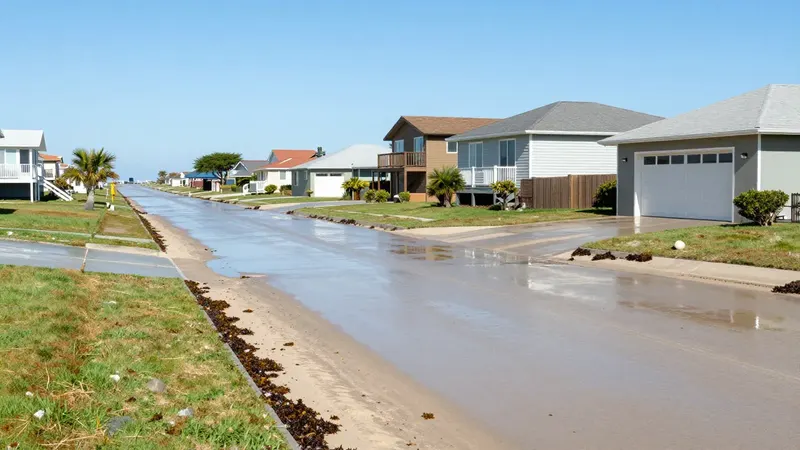
Southwest Florida and Tampa Bay are exposed to Gulf storm surge. Charley (2004) and Ian (2022) both came ashore near Punta Gorda and Cayo Costa, and Milton (2024) made landfall near Siesta Key. Surge water is usually treated as contaminated, which changes how drywall, insulation and flooring are handled.
Central Florida sits away from the coast but still sees hurricane-force gusts, tornadoes and flooding from slow-moving storms. Interior areas get freezing temperatures every few years when strong cold fronts arrive.
North Florida and the Panhandle are the coolest parts of the state, with snow or sleet a few times per decade and more frequent winter pipe freezes. The Panhandle and Big Bend took direct hits from Michael, Idalia and Helene, where roof loss and fallen trees often let rain in for days afterward.
Restoration help in Florida
Call (866) 937-3230 and tell us what happened and where in Florida.
What an independent restoration contractor typically does
A reputable company will usually start by finding the water source and measuring moisture in walls, floors and cabinets with meters. From there, contractors commonly extract standing water, remove materials that cannot be dried, and set up air movers and dehumidifiers. In Florida's humid climate, drying equipment often has to work against muggy outdoor air, so ask how they will monitor progress and when they expect to reach dry readings.
For fire, smoke and lightning damage, a typical contractor secures the structure, cleans soot, treats odor and coordinates repairs. After a hurricane, the work may include tarping, debris removal and flood cuts on drywall. Ask for a written scope of work and photo documentation you can share with your insurer.
See our guides to hurricane damage cleanup, flood damage restoration and mold remediation for more detail.
Insurance basics for Florida property owners
Most homeowners insurance does not cover flood damage, so rising water from surge or heavy rain usually needs a separate flood policy, as explained on FloodSmart.gov. A new National Flood Insurance Program policy generally takes effect 30 days after purchase, with a few exceptions such as buying while closing a mortgage (NFIP policy terms). Buying ahead of hurricane season matters.
Citizens Property Insurance Corporation is Florida's not-for-profit insurer of last resort, created by the Legislature for homeowners who cannot get coverage in the private market (Wikipedia). For help with a claim dispute, the Florida Office of Insurance Regulation points consumers to the Department of Financial Services Consumer Helpline.
Coverage depends on your policy; check with your insurer or agent before agreeing to work, and read any assignment of benefits form carefully before you sign it.
Mold licensing and hiring checks in Florida
Florida's Department of Business and Professional Regulation licenses mold assessors and mold remediators, and applicants must pass an approved written exam (DBPR mold-related services). If a contractor will assess or remediate mold in your home, ask for the license number and look it up with DBPR before work starts.
It is also reasonable to ask whether the company's technicians hold IICRC certification, whether the contractor carries liability insurance, and who will handle rebuilding once drying is finished. Get the scope and payment terms in writing, and be cautious of anyone who arrives uninvited after a storm and pressures you to sign on the spot.
Safety and official alerts
Stay out of a flooded room if the water may be touching outlets, cords or the electrical panel, and leave the house if you smell gas or see sagging ceilings. Floodwater from surge, rivers or sewage backup can carry bacteria, so wear gloves and boots and keep children and pets away. Call 911 in an emergency.
Outdoors, the National Weather Service warns that 6 inches of fast-moving water can knock over an adult and 12 inches can carry away most cars (Turn Around Don’t Drown). The CDC advises drying a home out fully within 24–48 hours after a flood to limit mold (CDC mold guidance), and people with asthma or mold allergies should avoid the cleanup.
The Florida Division of Emergency Management runs Alert Florida and the Know Your Zone evacuation tool. Follow your county emergency management office and local NWS forecasts during a storm.
Restoration guides
- Hurricane Damage Cleanup
- Water Damage Restoration
- Flood Damage Restoration
- Storm Damage Cleanup
- Mold Remediation
- Water Extraction
- Fire Damage Restoration
- Ceiling Water Damage Repair
Florida restoration FAQs
Does Fire & Water Energy do restoration work in Florida?
No. Fire & Water Energy is a referral service. We try to connect callers with independent restoration contractors serving their area, and those contractors set their own schedules, pricing and terms.
Is hurricane storm surge covered by my homeowners policy?
Surge is generally treated as flooding, and most homeowners policies exclude flood. A separate flood policy, such as one through the NFIP, is usually needed. Coverage depends on your policy; check with your insurer or agent.
Do mold contractors need a license in Florida?
Florida's DBPR licenses mold assessors and mold remediators. Ask the contractor for the license number and verify it with DBPR before mold work begins.
How soon should I start drying after a leak or flood?
The CDC recommends drying a home out fully within 24 to 48 hours after flooding to limit mold growth. Florida's heat and humidity make quick action especially important.
Can I get a contractor referral after a hurricane hits my area?
You can call (866) 937-3230 and we will try. After a major storm, demand is high and availability depends on the independent providers serving your address.
Where can I get official storm information in Florida?
Use the Florida Division of Emergency Management at FloridaDisaster.org, your county emergency management office and National Weather Service forecasts for watches, warnings and evacuation orders.
Sources
- Climate of Florida (Wikipedia)
- List of Florida hurricanes, 2000–present (Wikipedia)
- Citizens Property Insurance Corporation (Wikipedia)
- Florida Division of Emergency Management
- Florida DBPR: Mold-Related Services
- Florida Office of Insurance Regulation: Consumers
- FloodSmart.gov (NFIP)
- FloodSmart.gov: Buy a Flood Insurance Policy (waiting period)
- National Weather Service: Turn Around Don't Drown
- CDC: About Mold