
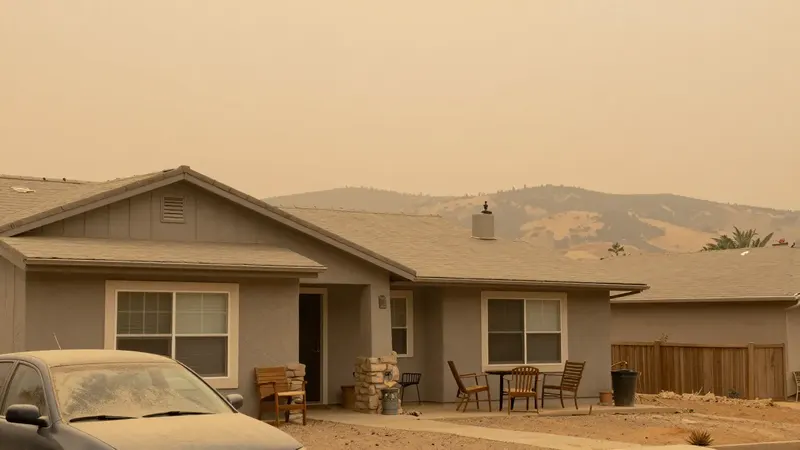
Oregon's damage calendar has two seasons. From November through March, Pacific storms bring soaking rain, high winds and river flooding. In July and August the state dries out, and wildfire, smoke and ash become the bigger concern. Leaking roofs, saturated crawl spaces and frozen pipes fill in the gaps.
Fire & Water Energy is a referral service, not a contractor. Call (866) 937-3230 and we will try to put you in touch with an independent restoration contractor serving your area. Availability depends on local providers.
Floods driven by rain and snowmelt
Oregon's largest floods came when warm rain fell on snow and saturated or frozen ground. In the Christmas flood of 1964, an atmospheric river hit frozen soil and heavy snowpack; every river in the state rose above flood stage and 17 or 18 people died in Oregon. Oregon City was flooded and Salem Memorial Hospital was evacuated.
The February 1996 flood followed a similar pattern. The Willamette crested about 10.6 feet above flood stage in Portland and came within inches of topping the downtown seawall, downtown Oregon City and Tillamook were underwater for days, and about 3,000 residents were displaced.
Windstorms and power outages
The Columbus Day storm of 1962 remains the benchmark Pacific Northwest windstorm. Gusts exceeded 145 mph at Cape Blanco, Oregon's damage topped $200 million in 1962 dollars, and northwest Oregon's power distribution system had to be rebuilt.
The Hanukkah Eve windstorm of 2006 left more than 350,000 Oregon customers without power, and two people died in a house fire in Seaside during the outage. Fallen trees, torn roofing and long outages often lead to rain intrusion and fire hazards from candles, heaters and generators.
Restoration help in Oregon
Call (866) 937-3230 and tell us what happened and where in Oregon.
Wildfire, smoke and heat
The 2020 Labor Day fires burned more than 1 million acres in early September. The Almeda Drive Fire destroyed more than 2,800 structures in the Phoenix and Talent area, and the Santiam fires substantially destroyed Detroit, Idanha and Gates. Even homes that did not burn often need smoke damage cleanup and odor removal.
Heat is part of the picture too. Pelton Dam reached 119 °F on June 29, 2021, a state record during the western heat wave. Hot, dry summers in Southern Oregon, where Jackson County is the warmest area, raise fire risk.
How Oregon's regions differ
- Coast and Coast Range: some western slopes approach 200 inches of precipitation a year, so roof leaks, wind damage and persistent moisture are common.
- Portland metro and Willamette Valley: 35 to 45 inches of rain a year, river flooding, crawl-space water and ice from cold air pouring through the Columbia Gorge.
- Southern Oregon: wildfire and smoke in summer, winter flooding along rivers.
- Central and Eastern Oregon: semi-arid, with many areas getting 12 inches or less a year, but colder winters bring frozen-pipe risk and summers bring wildfire.
Snow is a factor at elevation: above about 4,500 feet the ground is usually snow-covered from December through April, so cabins and homes near the Cascades can see roof loads and ice dams. In the valleys, the bigger issue is months of steady rain finding its way through worn roofing, clogged gutters and failed flashing. If water has been dripping for a while, ask a contractor to check for hidden mold behind finishes.
Insurance and licensing in Oregon
The Oregon Division of Financial Regulation notes that standard homeowners policies do not cover floods and that flood insurance is typically provided through the National Flood Insurance Program, bought through an agent. It also describes the Oregon FAIR Plan as a last-resort option for people denied coverage by two standard insurers. Ready.gov adds that a new flood policy can take up to 30 days to take effect.
The Construction Contractors Board (CCB) licenses Oregon contractors and warns that anyone can pretend to be a contractor. Use its license search before hiring anyone for repairs, and ask whether the contractor holds IICRC certification for water, fire or mold work.
How restoration contractors approach Oregon homes
A typical restoration contractor will inspect the attic, walls and crawl space, since water in Oregon homes often travels down from the roof or up from the ground. Contractors commonly pump out crawl spaces, remove wet insulation and vapor barrier, and dry framing with dehumidifiers before anything is replaced.
After wildfire, the job looks different: cleaning soot from hard surfaces, cleaning or replacing ductwork filters, deodorizing, and deciding which porous contents can be saved. Ask for a written scope, photos of hidden damage and moisture or air readings, and confirm the CCB license number on the contract. Keep copies of everything for your insurance file.
Safety and official information
Stay out of floodwater, which can hide debris and be charged by downed lines. Do not re-enter a fire- or flood-damaged home until officials say it is safe, and wear gloves and a well-fitting mask around ash and soot. Never run a generator or grill indoors. Call 911 for emergencies.
Oregon Emergency Management offers preparedness guidance such as Be 2 Weeks Ready, and NWS Portland issues flood and wind warnings for much of western Oregon. The EPA advises drying wet materials within 24 to 48 hours to prevent mold.
Restoration guides
- Water Damage Restoration
- Flood Damage Restoration
- Storm Damage Cleanup
- Fire Damage Restoration
- Smoke Damage Cleanup
- Smoke Odor Removal
- Mold Remediation
- Burst Pipe Water Damage
Oregon restoration FAQs
Does Fire & Water Energy send its own workers in Oregon?
No. Fire & Water Energy is a referral service. Call (866) 937-3230 and we will try to connect you with an independent restoration contractor serving your area.
Is flood damage covered by Oregon homeowners insurance?
The Oregon Division of Financial Regulation says standard homeowners policies do not cover floods; flood coverage usually comes through the NFIP. Check your policy with your insurer or agent.
How do I check an Oregon contractor's license?
Use the Construction Contractors Board license search on the CCB website before you hire anyone.
My home did not burn, but it smells like smoke. What now?
Smoke and ash can settle in HVAC systems, insulation and soft furnishings. A restoration contractor commonly cleans surfaces, replaces filters and treats odor; ask for a written scope before work starts.
Who can help if I have trouble with an insurance claim?
The Oregon Division of Financial Regulation helps consumers with insurance questions; its contact options are listed on its official website.
Why do Oregon crawl spaces get wet?
Long wet seasons west of the Cascades, high groundwater and gutter or drainage problems all push water under homes. Standing water and damp framing should be dried promptly to limit mold.
Sources
- Climate of Oregon (Wikipedia)
- Christmas flood of 1964 (Wikipedia)
- Willamette Valley Flood of 1996 (Wikipedia)
- Columbus Day storm of 1962 (Wikipedia)
- Hanukkah Eve windstorm of 2006 (Wikipedia)
- 2020 Oregon wildfires (Wikipedia)
- Oregon DFR: Home insurance
- Oregon Construction Contractors Board
- Oregon Emergency Management
- Ready.gov: Floods
- EPA: A Brief Guide to Mold, Moisture and Your Home
- NWS Portland, OR