
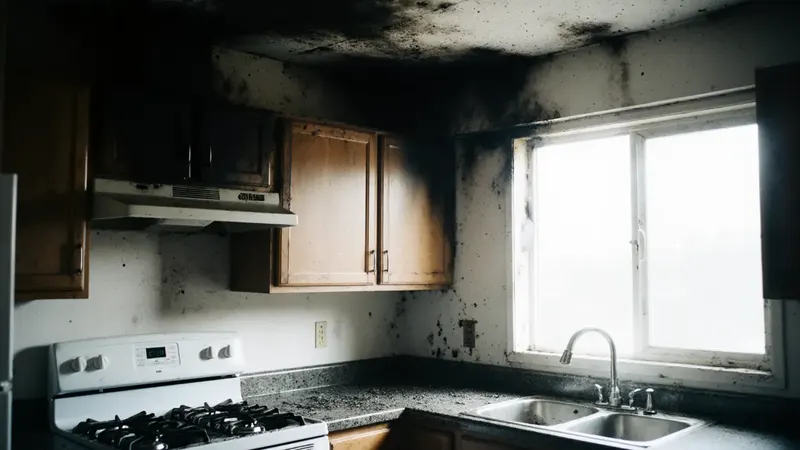
People who search for fire damage restoration are usually looking past the next few days. They want to understand the whole job: making the structure secure, dealing with the water firefighters left behind, removing what cannot be saved, cleaning smoke residue, and rebuilding. That umbrella project is what this page covers.
Fire & Water Energy is a referral service, not a contractor. Call (866) 937-3230 and we'll try to connect you with an independent restoration contractor serving your area. Whether a provider is available depends on the independent companies near you, so use the guidance below to evaluate whoever you talk to.
When a Full Restoration Project Makes Sense
Restoration is the right frame when a fire affected more than surface finishes. Typical situations include:
- A kitchen or attic fire that burned framing, drywall, or roof decking.
- A garage or electrical fire whose smoke traveled through the rest of the house.
- Any fire where hoses or sprinklers soaked floors, walls, and contents.
- A home that will need permits, inspections, and reconstruction before anyone moves back in.
If damage is limited to a light film of residue in one room, a narrower service such as smoke damage cleanup may be all you need.
Safety First: Before Anyone Starts Work
The U.S. Fire Administration's After the Fire guide is direct: do not go back inside unless the fire department says it is safe, and be aware that floors and walls may be weaker than they look. Ready.gov adds that you should not try to reconnect utilities yourself; firefighters confirm whether water, power, and gas are safe or shut them off.
- Do call 911 for any active hazard, and follow local emergency management instructions.
- Do tell police the home will be vacant and arrange boarding of open windows and doors.
- Do not turn on lights, appliances, or the HVAC system until an electrician or utility clears them.
- Do not handle soot or wet debris bare-handed; residue and dirty water may contain substances that can make you sick.
- Keep children, older adults, and anyone with heart or lung conditions away from the site.
What a Typical Restoration Contractor Does
Every job differs, but a reputable company will usually work through these phases:
- Inspection and scope. A walkthrough to map burned, smoke-affected, and water-affected areas, with photos and notes.
- Securing the structure. Board-up, roof tarping, and temporary fencing if needed.
- Water mitigation. Removing firefighting water and starting structural drying so mold does not follow.
- Demolition and debris removal. Tearing out charred materials; see fire damage cleanup for this phase in detail.
- Cleaning. Soot removal from surfaces and contents, plus cleaning of salvageable items.
- Deodorization. Addressing lingering smoke odor once residue is gone.
- Reconstruction. Replacing drywall, insulation, flooring, and finishes, often under permits; see property damage reconstruction.
Some contractors handle every phase; others subcontract the rebuild. Ask up front who is responsible for each step.
Need help with fire damage restoration?
Call (866) 937-3230 and tell us what happened and where.
Documentation and Insurance Basics
Contact your insurance company early and ask what it wants you to do first. The USFA guide recommends getting cleaning estimates in writing and confirming who will pay for them. Coverage depends on your policy; check with your insurer or agent before authorizing large work.
- Photograph every room before anything is removed, and list damaged items before discarding them, as Ready.gov advises.
- Keep receipts for hotel stays, meals, and other fire-related costs; insurers and tax filings may require them.
- Notify your mortgage company about the fire.
- Save copies of each contractor estimate, change order, and invoice in one folder.
How to Choose and Vet a Restoration Company
Because restoration spans weeks or months, the contractor you pick matters more than for a one-day cleaning. Questions worth asking:
- Do you hold the contractor license my state or city requires for structural repairs?
- Can you show current general liability and workers' compensation insurance?
- Will you give me a written, itemized estimate and scope before starting?
- Do your technicians hold IICRC certification, and do you follow the IICRC S700 standard for fire and smoke damage restoration?
- How will you document moisture readings while the building dries?
- Who pulls permits and schedules inspections for the rebuild?
Be cautious of anyone who pressures you to sign on the spot or asks you to assign insurance benefits before you understand the terms. Our how it works page and referral disclosure explain how referrals are arranged.
Restoration Compared With Related Fire Services
Restoration is the umbrella; the related pages zoom in on one piece of it.
- Fire damage cleanup focuses on hauling out debris and charred materials.
- Smoke damage cleanup treats residue in rooms the flames never reached.
- Soot removal covers the techniques for lifting soot from specific surfaces.
- Smoke odor removal deals with smell that persists after cleaning.
If firefighting water is the bigger problem, water damage restoration explains the drying side.
Frequently asked questions
How long does fire damage restoration take?
It depends on how much of the structure burned, how wet the building got, permit timelines, and material availability. A small kitchen fire and a whole-house rebuild are very different projects. Ask any contractor for a written schedule with the assumptions behind it.
Can I stay in my home during restoration?
Only if the fire department and your contractor agree the occupied areas are safe and the air is not affected by residue or construction dust. Many families relocate temporarily. If you need food, shelter, or medicine, Ready.gov suggests contacting a disaster relief organization such as the Red Cross.
Will my homeowners insurance pay for restoration?
Coverage depends on your policy, its limits, and its exclusions. Call your insurer or agent before authorizing major work, and ask how they want damage documented. Keep every estimate and receipt.
Should I throw away damaged belongings right away?
Not before you document them. Ready.gov recommends inventorying damaged property before discarding anything, and your adjuster may want to see certain items. Spoiled food and clearly hazardous debris are exceptions, but photograph them first.
What is IICRC S700?
It is an industry standard from the Institute of Inspection, Cleaning and Restoration Certification that addresses fire and smoke damage restoration. Asking whether a contractor follows it is a reasonable way to gauge whether their process is structured. It does not replace your state's licensing rules.
Does Fire & Water Energy do the restoration work?
No. Fire & Water Energy is a referral service that tries to connect callers with independent restoration contractors. We do not have crews or offices, and availability depends on providers in your area.
Related services
Find fire damage restoration help by state
- Florida
- Georgia
- Texas
- Louisiana
- Alabama
- Mississippi
- California
- South Carolina
- North Carolina
- Tennessee
- Arizona
- New Mexico
- Virginia
- Maryland
- Oregon
- Washington