
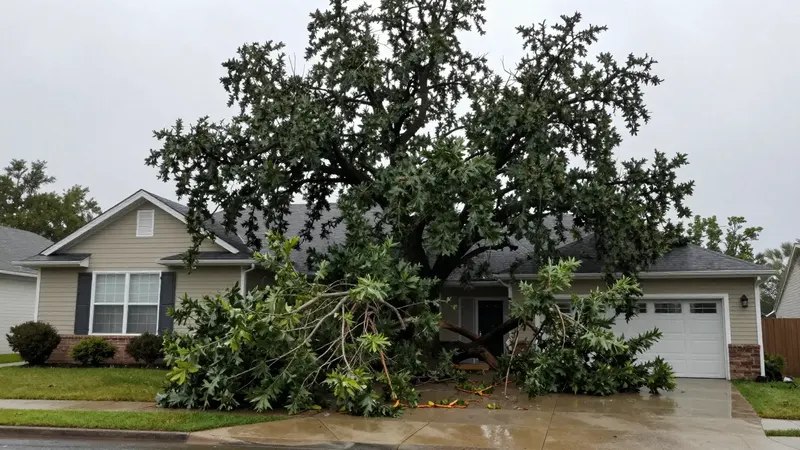
Alabama stretches from the Gulf of Mexico to the southern edge of the Appalachians, so one year can bring a spring tornado outbreak in the north, a tropical storm on the coast and a sharp cold snap in between. The kind of damage you are dealing with, and the help you need, often depends on where in the state you live.
Fire & Water Energy is a referral service, not a contractor. Call (866) 937-3230 and we'll try to connect you with an independent restoration contractor that works in your part of Alabama. Whether a company is available depends on the independent providers serving your area.
Alabama's Weather Risks in Brief
Alabama is one of the wetter states in the country. Statewide precipitation averages about 56 inches a year, with the Gulf Coast closer to 62 inches, and Mobile ranks among the rainiest cities in the eastern United States. That much rain means roof leaks, overwhelmed gutters and saturated crawl spaces are common sources of water damage even without a named storm.
Severe weather is the bigger headline. Alabama ranks second in the nation for deadly tornadoes and, along with Kansas, has recorded the most F5/EF5 tornadoes of any state. Spring (March to May) is the main severe-weather season, and a second season runs through November and December. Hail occurs but is seldom destructive. Snow is uncommon south of Montgomery, though memorable events such as the 1993 Storm of the Century show that winter storms do reach the state.
Tornado Damage and the April 2011 Outbreak
The Super Outbreaks of April 1974 and April 2011 both hit Alabama hard. According to the National Weather Service in Birmingham, 62 tornadoes were confirmed across the state on April 27, 2011. One EF4 tornado tracked about 80 miles from Greene County through Tuscaloosa into Jefferson County, and an EF5 near Hackleburg in Marion County had estimated winds of 210 mph.
Tornadoes often leave a second problem behind: water. Once a roof, window or wall is opened up, rain can soak insulation, drywall and flooring for days before repairs begin. Contractors commonly start with emergency tarping or board-up, then remove wet materials and dry the structure. See storm damage cleanup for what that process usually involves.
Restoration help in Alabama
Call (866) 937-3230 and tell us what happened and where in Alabama.
Hurricanes and Flooding Rain Near the Gulf
Southern Alabama sees tropical threats mostly from July through October. Hurricane Frederic in 1979 and Hurricane Ivan in 2004 both caused major damage around Mobile. More recently, Hurricane Sally made landfall near Gulf Shores on September 16, 2020, as a Category 2 storm, and Orange Beach recorded nearly 30 inches of rain as catastrophic flash flooding spread across the Alabama-Florida coast.
Tropical systems do not stop at the shoreline. Storms moving inland can drop very heavy rain far from the Gulf, flooding homes in counties that never see storm surge. After a hurricane, a typical restoration contractor will separate wind-driven roof leaks from rising floodwater, since the cleanup steps and the insurance questions differ. Read more about hurricane damage cleanup and flood damage restoration.
How Damage Patterns Differ Across the State
- Tennessee Valley and North Alabama: Most rain falls from November to April, tornadoes are a major spring and late-fall risk, and these counties are the most likely to see snow or a hard freeze that can split pipes.
- Birmingham and Central Alabama: The 2011 outbreak tracked through this region. Birmingham averages about 2 inches of snow a year, so frozen pipes are possible but not routine.
- Montgomery, East Alabama and the Wiregrass: Severe thunderstorms, inland tropical rain and long humid summers that favor mold after any leak that is not dried quickly.
- Mobile Bay and the Gulf Coast: The heaviest rainfall in the state, 100 to 110 thunder days a year around Mobile Bay, and the highest hurricane exposure.
Whatever the cause, moisture left in walls and floors can lead to mold growth, so drying usually comes before rebuilding.
Insurance Notes for Alabama Property Owners
Coverage depends on your policy; check with your insurer or agent before you sign a work authorization. According to FloodSmart, most homeowners insurance does not cover flood damage, and the National Flood Insurance Program says there is typically a 30-day waiting period between buying a flood policy and the date it takes effect, with some exceptions.
Along the coast, the Alabama Insurance Underwriting Association, often called the Beach Pool, serves owners who cannot get coverage from a standard insurer. The Alabama Department of Insurance has described its fire and extended coverage policy and a windstorm and hail option for property south of the 31st parallel in Baldwin and Mobile counties. The association's site has a map tool for checking eligibility.
Checking a Contractor's License in Alabama
The Alabama Home Builders Licensure Board regulates residential construction and remodeling and offers a public license lookup. The board has warned that law enforcement may charge unlicensed homebuilders with a felony, and an emergency proclamation by the governor triggers consumer protection laws. If rebuilding work follows the cleanup, ask whether the company holds the license that applies to that work.
We were not able to confirm a separate state mold license on an official Alabama site, so check with the board if mold work is part of your job. It is also reasonable to ask whether a contractor holds IICRC certification, to get the scope of work in writing and to keep copies of photos, moisture readings and invoices for your claim.
Safety First and Where to Get Official Alerts
- Stay out of standing water if outlets, cords or appliances may be submerged, and do not turn power back on until it is safe.
- If you smell gas, leave right away and call your gas utility or 911 from outside.
- Floodwater can carry sewage. Treat it as contaminated (Category 3) and keep children and pets away.
- Do not enter a building with a sagging roof, cracked walls or other structural damage.
The Alabama Emergency Management Agency offers free ALert emergency notifications and links to preparedness guides. For watches and warnings, follow your local National Weather Service office and your county emergency management agency. Call 911 for any emergency.
Restoration guides
- Storm Damage Cleanup
- Hurricane Damage Cleanup
- Flood Damage Restoration
- Water Damage Restoration
- Storm Water Damage Restoration
- Mold Remediation
- Burst Pipe Water Damage
- Fire Damage Restoration
Alabama restoration FAQs
Does Fire & Water Energy do the restoration work in Alabama?
No. Fire & Water Energy is a referral service. When you call (866) 937-3230, we try to connect you with an independent restoration contractor serving your area, and that company performs and prices any work.
Is tornado damage handled differently from flood damage?
Often, yes. Wind damage that lets rain in is usually treated as a storm claim, while rising water from outside is flood damage, which most homeowners policies exclude. Coverage depends on your policy, so ask your insurer or agent.
What is the Alabama Beach Pool?
It is the common name for the Alabama Insurance Underwriting Association, which offers coverage to coastal property owners in Baldwin and Mobile counties who cannot get it from a standard insurer. Check its website or your agent for current eligibility.
How do I check a contractor's license in Alabama?
Use the license lookup on the Alabama Home Builders Licensure Board website for residential construction and remodeling. For other trades, ask the contractor which state board licenses them and verify it there.
How soon should drying start after a leak or flood?
As soon as it is safe. Wet materials left in place can grow mold, especially in Alabama's humid climate. Document the damage with photos first, then contact your insurer and a restoration contractor.
Can you help if I live in a small town rather than a big city?
We serve callers across Alabama, including smaller communities. Availability depends on the independent contractors who work in your area, so call (866) 937-3230 and we will try to find one.
Sources
- Climate of Alabama (Wikipedia)
- NWS Birmingham: April 27, 2011 tornado outbreak
- Hurricane Sally (Wikipedia)
- Alabama Department of Insurance: Beach Pool wind and hail coverage
- Alabama Insurance Underwriting Association
- Alabama Home Builders Licensure Board
- Alabama Emergency Management Agency
- FloodSmart (NFIP)
- NFIP Flood Insurance 101