
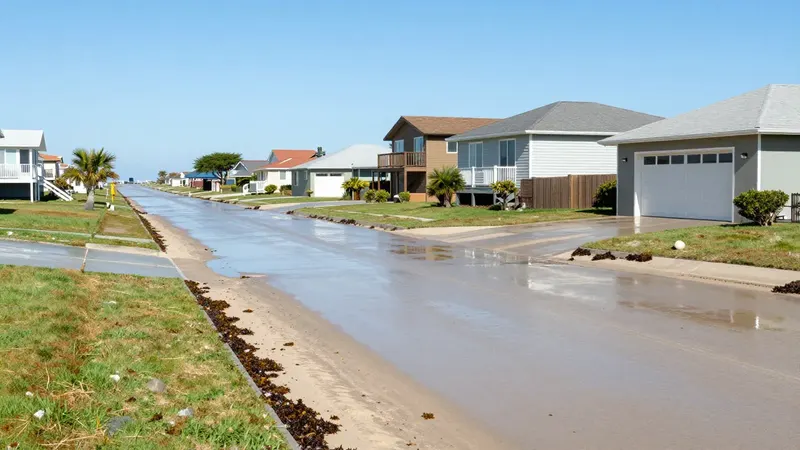
Virginia sees water damage from two directions: tidal flooding and hurricane surge along the Chesapeake Bay and Atlantic coast, and fast-rising rivers and flash floods in the Piedmont and mountains. Add burst pipes, roof leaks and kitchen fires, and most homes face some risk every year.
Fire & Water Energy is a referral service, not a contractor. When you call (866) 937-3230, we try to connect you with an independent restoration contractor serving your part of the state. Availability depends on local providers, so we cannot promise who will be free or when.
Virginia's storm and flood history
The storms that shaped Virginia's flood record often arrived from the south as remnants. Hurricane Camille in 1969 dropped a record 27 inches of rain near Massies Mill in Nelson County, set off thousands of landslides and caused 153 deaths in the state. The USGS called those floods the worst natural disaster ever to strike Virginia.
In 1972, Hurricane Agnes flooded the James River in Richmond, swamped Pulaski along Peak Creek and destroyed or damaged thousands of houses statewide. Hurricane Isabel in 2003 pushed the worst Hampton Roads surge since the 1933 Chesapeake–Potomac hurricane, flooded the Midtown Tunnel in about 40 minutes and left some areas without power for almost a month. The climate record also notes that Tropical Storm Gaston inundated Richmond in 2004.
Tornadoes, derechos and winter storms
Virginia averages about seven tornadoes a year, mostly weaker ones, though 2004 brought 85. Straight-line winds can be just as damaging: the June 2012 derecho knocked out power to about 1 million Virginia customers and killed at least ten people, largely from falling trees.
Winter adds a different risk. Nor'easters moving up the coast can bury the mountains and Piedmont in snow, as in December 2009 when central Virginia received about 20 inches. Heavy snow loads, ice dams and frozen pipes are common sources of ceiling and wall damage once temperatures swing back above freezing.
Restoration help in Virginia
Call (866) 937-3230 and tell us what happened and where in Virginia.
How damage patterns differ across Virginia
- Hampton Roads and the coast: storm surge, tidal flooding and wind-driven rain. Sea level along the coast is rising one to two inches per decade, according to EPA figures cited in the climate record, which makes coastal flooding worse.
- Northern Virginia and Richmond: basement flooding after intense thunderstorms, sewer backups, and river flooding near the Potomac and James.
- Shenandoah Valley and Blue Ridge: flash floods on steep creeks, heavy snow and freeze-thaw damage. Isabel's rain peaked at 20.2 inches in Sherando.
- Roanoke, Southside and Southwest Virginia: river and creek flooding, landslides on saturated slopes, and tree damage from severe storms.
Whatever caused the water, a contractor will typically start with water extraction and then structural drying before any rebuilding.
Flood insurance and claims in Virginia
The Virginia Department of Emergency Management states that homeowner and renter insurance do not cover flood losses and that there is a 30-day waiting period before a flood insurance policy takes effect. That means a policy needs to be in place well before a storm is forecast.
Coverage for wind, sewer backup, burst pipes or mold depends on your policy, so check with your insurer or agent before signing work authorizations. Photograph damage before cleanup begins, keep receipts, and ask any contractor for a written scope of work you can share with your adjuster.
Checking a contractor's Virginia license
Virginia's Board for Contractors, part of the Department of Professional and Occupational Regulation (DPOR), licenses businesses that build, remove, repair or improve property owned by others. Licenses come in Class A, B and C, which limit the value of jobs a firm may take, plus a specialty classification that limits the type of work.
Before work starts, look up the company in DPOR's license lookup and confirm its class and specialty fit the size and type of job. It is also reasonable to ask whether the contractor holds IICRC certification and carries liability insurance.
What a restoration contractor typically does
A reputable company will usually begin with a walk-through to find where water traveled, using moisture meters to check walls, subfloors and cabinets. Contractors commonly remove standing water, pull out saturated carpet pad and baseboards, and set up air movers and dehumidifiers, then take readings until materials reach a dry standard.
In Hampton Roads, saltwater or surge water is treated as contaminated, so porous materials it touched are often removed rather than dried. After a fire, the work shifts to soot cleaning and odor control. Ask for a written estimate, photos and drying logs, and keep copies for your insurer. If you are unsure whether a step is necessary, ask the contractor to explain why before work begins.
Safety and official alerts
Ready.gov warns that six inches of moving water can knock you down and that downed or underground power lines can electrically charge floodwater. Do not touch wet electrical equipment, leave if you smell gas or see structural damage, and call 911 in an emergency. Treat floodwater as contaminated.
Coastal residents can look up their evacuation zone through VDEM's Know Your Zone program. For forecasts and warnings, follow National Weather Service forecasts from Wakefield and Sterling (Baltimore/Washington), along with alerts from your city or county emergency management agency.
Restoration guides
- Water Damage Restoration
- Flood Damage Restoration
- Hurricane Damage Cleanup
- Storm Damage Cleanup
- Basement Flood Cleanup
- Burst Pipe Water Damage
- Mold Remediation
- Fire Damage Restoration
Virginia restoration FAQs
Does Fire & Water Energy do the restoration work in Virginia?
No. Fire & Water Energy is a referral service. Call (866) 937-3230 and we will try to connect you with an independent restoration contractor serving your area, subject to availability.
Is flood damage covered by my Virginia homeowners policy?
Usually not. VDEM notes that homeowner and renter policies do not cover flood losses and that new flood policies have a 30-day waiting period. Coverage depends on your policy; check with your insurer or agent.
How do I verify a Virginia contractor's license?
Use the DPOR license lookup for the Board for Contractors. Confirm the license class (A, B or C) and specialty match the job you need done.
How quickly should water-damaged materials be dried?
The EPA advises drying water-damaged areas and items within 24 to 48 hours to help prevent mold growth. Mold covering more than about 10 square feet is a job the EPA suggests handing to a professional.
Which parts of Virginia face storm surge?
Hampton Roads and other areas near the Chesapeake Bay and Atlantic coast. VDEM's Know Your Zone program covers 23 coastal localities, and you can find your zone by street address.
What should I do first after a pipe bursts?
Shut off the main water valve, turn off power to wet areas if you can do so safely, photograph the damage and contact your insurer. Then call (866) 937-3230 for a referral.
Sources
- Climate of Virginia (Wikipedia)
- Hurricane Camille (Wikipedia)
- Hurricane Agnes (Wikipedia)
- Hurricane Isabel (Wikipedia)
- June 2012 North American derecho (Wikipedia)
- VDEM: Hurricanes and Know Your Zone
- Virginia DPOR Board for Contractors
- Ready.gov: Floods
- EPA: A Brief Guide to Mold, Moisture and Your Home
- NWS Wakefield, VA
- NWS Baltimore/Washington