
North Bend took shape in 1903, when the old settlement of Yarrow merged with the Simpson family's sawmill site and the new city incorporated. It borders the city of Coos Bay to the south, and the Coos River empties into the bay nearby. The 1936 bridge now named for Conde McCullough was described as the final link that opened the Coos region to the outside world. Today the city has about 4,600 housing units, and its landmarks range from Old Town to Simpson Park and the Pony Village Mall.
Fire & Water Energy is a referral line rather than a hands-on service. Dial (866) 937-3230 and we will try to connect you with an independent restoration contractor serving North Bend and the Coos Bay area. A match isn't guaranteed; it comes down to which South Coast companies can take on the job. If you want to know exactly what we do before calling, the how it works page and referral disclosure cover it.
Bay fog, Pacific troughs and severe winter wind
Moist low-pressure systems off the Pacific bring heavy winter rain, with annual totals listed at roughly 59 to 65 inches, while July and August usually see less than an inch combined. Summer fog is common, snow almost never falls in town, and only about a dozen days a year drop to freezing. Nearby Cape Blanco can see gusts of 125 mph or more in severe winter storms.
Coos County has been named in nine FEMA major disaster declarations since 2000, including a 2002 winter storm with high winds (DR-1405), storms with flooding and landslides in 2006 (DR-1632) and 2007 (DR-1733), a 2012 winter storm with flooding (DR-4055), the 2016 and 2019 winter storms (DR-4258, DR-4432), the 2020 wildfires and straight-line winds (DR-4562), winter storms in 2024 (DR-4768) and severe storms with flooding in 2025 (DR-4881).
Sideways rain and water damage restoration in North Bend
Coastal storms drive rain against siding, windows and roof edges at angles that ordinary gutters and flashing aren't built for. Water often travels inside a wall before showing up as a stain far from its entry point. Low elevation and damp soil also keep crawlspaces wet for long periods, and plumbing leaks there can go unnoticed.
When you need water damage restoration in North Bend, a reputable contractor will typically trace the leak, remove standing water, measure moisture in framing and subfloors and run dehumidifiers until readings are normal. Learn more about storm water damage restoration and water extraction.
Federal disaster declarations that included Coos County
FEMA records show Coos County was included in 9 major disaster declarations for weather or fire events from 2000 through 2026 (7 severe storm, 1 fire, 1 flood, by FEMA incident type). Declarations are made at the county level, so they do not mean every neighborhood in North Bend was affected. The most recent:
- 2025 – Severe Storms, Flooding, Landslides, and Mudslides (DR-4881)
- 2024 – Severe Winter Storms, Straight-line Winds, Landslides, and Mudslides (DR-4768)
- 2020 – Wildfires and Straight-line Winds (DR-4562)
- 2019 – Severe Winter Storms, Flooding, Landslides, and Mudslides (DR-4432)
- 2016 – Severe Winter Storms, Straight-line Winds, Flooding, Landslides, and Mudslides (DR-4258)
- 2012 – Severe Winter Storm, Flooding, Landslides, and Mudslides (DR-4055)
Source: OpenFEMA Disaster Declarations Summaries, retrieved 2026-10-10. Counts include major disaster (DR) declarations with hurricane, flood, severe storm, tropical storm, fire, tornado, coastal storm, winter or ice storm, mudslide and dam/levee incident types.
Water, fire or storm damage in North Bend?
Call (866) 937-3230 and tell us what happened at your North Bend property.
House fires and smoke odor in damp coastal homes
Coos County was included in the 2020 FEMA declaration for wildfires and straight-line winds. Inside homes, cooking, heating appliances and electrical faults are the usual causes, and in humid coastal air smoke odor and soot can bind tightly to surfaces and fabrics.
Contractors commonly secure the structure, remove charred materials, clean soot by surface type and use air filtration or deodorizing methods. The hose water left behind by firefighters soaks floors and walls and has to be dried as well. More on these steps is on our fire damage restoration and smoke damage cleanup pages.
Winter storm, wind and flood cleanup around the bay
Flooding, landslides and mudslides show up in several of the county's declarations, and straight-line winds appear in 2016, 2020 and 2024. Those designations apply county-wide, but strong winds can still drop trees, peel roofing and break windows anywhere in town, letting rain in quickly.
Treat any outdoor floodwater that enters a building as contaminated. A typical contractor will tarp openings, remove soaked porous materials and sanitize before drying. Wind-torn roofs are covered under storm damage cleanup, and rising water under flood cleanup.
Mold where marine air keeps things damp
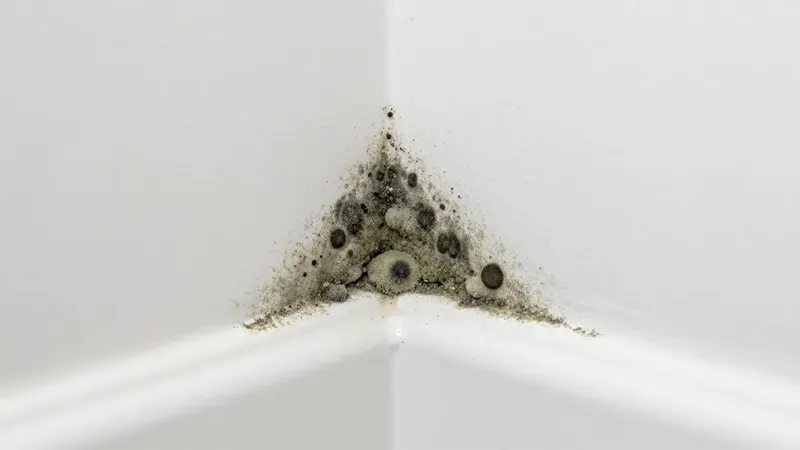
Fog, heavy winter rain and mild temperatures mean wet materials dry slowly unless dehumidifiers and air movement are used. Bathrooms, closets on exterior walls, window frames and crawlspaces are the first places to look for musty odors and spotting.
EPA guidance says homeowners can often clean areas under about 10 square feet once the moisture source is corrected. Larger areas, growth after floodwater or sewage, and mold in ducts are better handled by professionals who use containment and HEPA filtration. See mold removal for details.
What North Bend residents should do first
- Call 911 for fire, injuries, gas odors or downed lines, and leave if the structure is compromised.
- Turn off water at the main valve for a plumbing leak, and stay clear of wet areas near electrical equipment.
- Find Coos County's alert program on OR-Alert by searching your ZIP code.
- Take photos of the damage and the cause before cleanup. Coverage is set by the language in your policy, so check with your insurer or agent about next steps.
Neighborhoods and nearby communities
Areas in and around North Bend that callers often mention include:
- Old Town
Nearby communities with their own pages (straight-line distance from North Bend):
North Bend restoration FAQs
When do most leaks happen in North Bend?
During the winter storm season, when Pacific systems bring heavy rain and strong wind. Summers are nearly dry, which makes late summer a good time to inspect roofs, gutters and window seals before the rain returns.
Why does my crawlspace stay wet?
Low elevation near the bay, damp soil and months of rain all keep moisture under houses. A vapor barrier, working vents or a dehumidifier, and gutters that move water away from the foundation can help. Standing water should be removed and dried to prevent mold and wood rot.
Do I need to worry about freezing pipes on the coast?
Less than inland, since only about 12 days a year drop to freezing here. Still, pipes in crawlspaces and unheated areas can freeze during cold snaps. Wrapping exposed lines is a simple precaution.
Can you also help in Coos Bay, Coquille or Bandon?
We try to connect callers with independent contractors across the area, including Coos Bay, Coquille, Bandon and Reedsport. Availability depends on local providers, so call (866) 937-3230 and let us know your location.
Restoration guides
- Water Damage Restoration
- Storm Water Damage Restoration
- Storm Damage Cleanup
- Water Extraction
- Smoke Damage Cleanup
- Mold Removal