
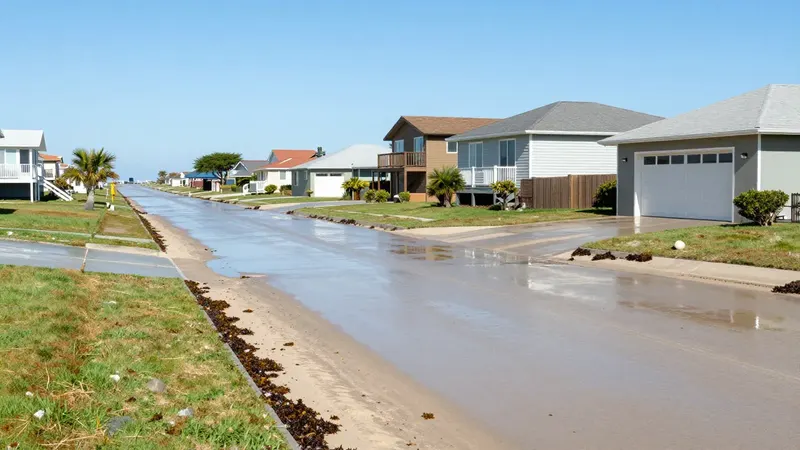
Low, flat land, a long Atlantic shoreline and several tidal waterways shape how homes in this city get damaged. Heavy tropical rain, wind-driven leaks and the occasional freeze all show up in local restoration work, alongside everyday plumbing failures and kitchen fires.
Fire & Water Energy only makes referrals; no one from our phone line will show up with drying gear or a crew. Call (866) 937-3230 and we'll try to connect you with an independent restoration contractor serving Virginia Beach. Availability depends on the providers working in your area. The steps behind each call are laid out on our how the referral process works page, and the terms of our role are in the referral disclosure.
Coastal weather, waterways and storm history
Wikipedia lists the city's total area at about 497 square miles, with roughly 51 percent of it water. A large share of the land drains to the bay through the Lynnhaven River, and the southern end includes Back Bay and the North Landing River. The climate is humid subtropical; rainfall runs from about 47 inches a year near the airport to over 50 inches around Back Bay, and August is typically the wettest month.
The usual hurricane tracks pass south of here, but Hurricane Isabel in 2003 was a notable exception. Rain from Hurricane Matthew in 2016 flooded more than 2,000 homes, and some neighborhoods held standing water for days. On April 30, 2023, an EF-3 tornado touched down in Great Neck, the strongest on record in the city. FEMA major disaster declarations covering the city since 2000 also include Hurricane Irene (2011) and the 2009 storms and flooding tied to Tropical Depression Ida and a nor'easter.
What usually causes indoor water damage near the oceanfront
Wind-driven rain is a common culprit: it pushes water under shingles, around windows and through siding seams, then shows up later as a stained ceiling. Long, humid summers keep air conditioners running hard, so clogged condensate lines and sweating ductwork are frequent sources of slow leaks. Supply lines, water heaters and washing machine hoses fail here as they do everywhere.
Winters are mild, yet most years still bring at least one day that stays below freezing, so pipes in crawl spaces, garages and exterior walls deserve attention during a cold snap. For water damage restoration in Virginia Beach, a contractor will commonly extract standing water, set up air movers and dehumidifiers, and track moisture readings until materials are dry. Rebuilding drywall, trim and flooring afterward falls under water damage repair.
Federal disaster declarations that included Virginia Beach city
FEMA records show Virginia Beach city was included in 4 major disaster declarations for weather or fire events from 2000 through 2026 (3 hurricane, 1 severe storm, by FEMA incident type). Declarations are made at the county level, so they do not mean every neighborhood in Virginia Beach was affected. The most recent:
- 2016 – Hurricane Matthew (DR-4291)
- 2011 – Hurricane Irene (DR-4024)
- 2009 – Severe Storms and Flooding Associated with Tropical Depression Ida and a Nor'east (DR-1862)
- 2003 – Hurricane Isabel (DR-1491)
Source: OpenFEMA Disaster Declarations Summaries, retrieved 2026-10-10. Counts include major disaster (DR) declarations with hurricane, flood, severe storm, tropical storm, fire, tornado, coastal storm, winter or ice storm, mudslide and dam/levee incident types.
Water, fire or storm damage in Virginia Beach?
Call (866) 937-3230 and tell us what happened at your Virginia Beach property.
After a house fire: smoke, soot and wet materials
A fire leaves two problems behind: the burned and smoke-stained materials, and the water used to put the flames out. In a humid coastal climate, that soaked insulation and drywall can start growing mold if drying is delayed, so fire jobs here often involve moisture work too.
Contractors commonly begin by boarding openings and tarping the roof, then remove debris, clean soot from surfaces and treat lingering odor. Ask whether a company follows recognized standards for fire damage cleanup and smoke damage cleanup, and get the scope in writing before work starts.
Storm surge, tidal flooding and hurricane cleanup
Because so much of the city sits only a few feet above sea level, heavy rain and high water can overwhelm drainage quickly. Wikipedia notes that a shortage of land led to building in floodplains, and that the city later turned down several proposals because of rising flood risk.
The Virginia Department of Emergency Management says coastal residents are assigned evacuation zones A through D and can look up their zone at KnowYourZoneVA.org. Atlantic hurricane season runs June 1 to November 30, peaking from mid-August to late October. After the water drops, flood cleanup usually means removing wet carpet and pad, cutting out soaked drywall, and disinfecting surfaces that floodwater touched. Roof and tree damage is covered under hurricane damage cleanup.
Keeping mold in check in a humid climate
Warm, muggy summers give mold an easy start on anything that stays wet for a day or two. Closets on exterior walls, bathrooms without exhaust fans and crawl spaces are typical trouble spots.
The EPA's general guidance is that a homeowner can often handle a moldy patch smaller than about 10 square feet, while larger growth, or mold inside HVAC systems, is better left to a professional. Fix the moisture source first; otherwise the mold returns. Learn more about mold remediation.
First moves for Virginia Beach homeowners after damage
- Call 911 for fire, injuries, gas odors or any immediate danger.
- If water is near outlets or the panel, stay out of the room and shut power off only if you can do it safely from a dry spot.
- Treat floodwater as contaminated and wear boots and gloves.
- Do not return after an evacuation until local officials say the area is safe, as VDEM advises.
- Take photos and video of each wet or burned room before anything gets hauled out, and save receipts for fans, tarps or hotel stays.
- Call your insurer or agent promptly. Coverage depends on your policy; VDEM notes that standard homeowners and renters policies do not cover flood, and new flood policies typically have a 30-day waiting period.
Neighborhoods and nearby communities
Areas in and around Virginia Beach that callers often mention include:
- Alanton
- Aragona Village
- Bay Colony
- Bayside
- Cape Henry
- Chesapeake Beach
- Croatan Beach
- Great Neck Point
- Green Run
- Kempsville
- Larkspur
- London Bridge
- Lynnhaven
- Newtown
- The North End
- Oceana
- Ocean Park
- Pembroke Manor
- Princess Anne
- Pungo
- Red Mill Commons
- Sandbridge
- Shadowlawn
- Thalia
- Thoroughgood
Nearby communities with their own pages (straight-line distance from Virginia Beach):
- Chesapeake · 17 mi
- Norfolk · 17 mi
- Portsmouth · 18 mi
- Hampton · 24 mi
- Poquoson · 28 mi
- Newport News · 31 mi
Virginia Beach restoration FAQs
Has Virginia Beach actually had hurricane flooding in homes?
Yes. Wikipedia reports that heavy rain from Hurricane Matthew in 2016 flooded more than 2,000 homes in the city, with standing water in some neighborhoods for days. Hurricane Isabel in 2003 and Hurricane Irene in 2011 were also part of federal disaster declarations that covered the city.
How do I find my hurricane evacuation zone?
Coastal Virginia uses lettered zones A through D, and VDEM directs residents to KnowYourZoneVA.org to look up their address. If only your zone is ordered out, you generally just need to move to the next higher zone that is not under evacuation.
Does my homeowners policy cover flooding from a tropical storm?
Usually not on its own. VDEM notes that homeowners and renters insurance do not cover flood losses, so a separate flood policy is needed, and new policies generally take 30 days to start. Check your specific coverage with your insurer or agent.
Can a tornado really happen here?
It is uncommon but it has happened. An EF-3 tornado struck the Great Neck neighborhood on April 30, 2023, and is the strongest on record for the city. Wind damage like that often opens roofs to rain, so water and storm cleanup tend to go together.
Can you send a contractor to Sandbridge or Pungo?
Fire & Water Energy does not have its own crews. We can try to connect you with an independent contractor whose service area includes your address, but availability depends on local providers.
Restoration guides
- Flood Cleanup
- Hurricane Damage Cleanup
- Water Damage Restoration
- Storm Water Damage Restoration
- Mold Remediation
- Ceiling Water Damage Repair