
Between hot, sticky summers, an average of roughly 17 inches of snow, and a building stock that runs from Court Square's early structures to newer apartment buildings, the damage people deal with here varies a lot from one street to the next.
We operate a referral phone line, so we never send workers of our own. Ring (866) 937-3230 and we will try to pair you with an independent restoration contractor who covers Charlottesville, as availability allows. The steps involved and our disclosure statement explain the arrangement plainly.
River valley weather: heat, ice and tropical rain
The city lies along the Rivanna, a tributary of the James, just west of the Southwest Mountains at about 594 feet of elevation. Annual precipitation runs about 48.5 inches at the Leander McCormick Observatory gauge and about 41.6 inches at the airport, according to Wikipedia. Temperatures reach 90°F or more on over 34 days in a typical year, and the record low of −10°F was set on January 19, 1994.
FEMA major disaster declarations that included Charlottesville since 2000 are Hurricane Isabel (2003), the 2010 severe winter storm and snowstorm, and the 2012 severe storms and straight-line winds. That mix of tropical rain, heavy snow and violent summer wind is the backdrop for most claims here.
Where household leaks tend to start
Older homes may still have aging galvanized or cast-iron plumbing and roofs that have been patched many times. In apartment buildings, a washing machine hose or a forgotten upstairs tub can soak several units before anyone reports it. During long, humid summers, clogged air-conditioner condensate lines drip into ceilings and closets.
Winter brings its own trouble: pipes in crawl spaces and unheated porches can split when a cold snap drops nighttime lows into the single digits. If you are searching for water damage repair in Charlottesville, expect a contractor to locate the source, measure moisture, pull up wet padding and run dehumidifiers until readings return to normal. Ceiling stains are covered on our ceiling water damage page.
Federal disaster declarations that included Charlottesville city
FEMA records show Charlottesville city was included in 3 major disaster declarations for weather or fire events from 2000 through 2026 (1 severe storm, 1 winter storm, 1 hurricane, by FEMA incident type). Declarations are made at the county level, so they do not mean every neighborhood in Charlottesville was affected. The most recent:
- 2012 – Severe Storms and Straight-line Winds (DR-4072)
- 2010 – Severe Winter Storm and Snowstorm (DR-1874)
- 2003 – Hurricane Isabel (DR-1491)
Source: OpenFEMA Disaster Declarations Summaries, retrieved 2026-10-10. Counts include major disaster (DR) declarations with hurricane, flood, severe storm, tropical storm, fire, tornado, coastal storm, winter or ice storm, mudslide and dam/levee incident types.
Water, fire or storm damage in Charlottesville?
Call (866) 937-3230 and tell us what happened at your Charlottesville property.
Soot, smoke and the cleanup after a fire
Old plaster walls and wood trim absorb smoke readily, and soot can settle deep into porous surfaces even when the flames stayed in one room. Hose water from firefighting then adds a second layer of damage.
Restoration firms commonly board up openings, haul out debris, clean salvageable contents and deodorize with specialized equipment. Our soot removal and fire damage restoration pages describe that process in more depth.
High water, downed trees and wind damage
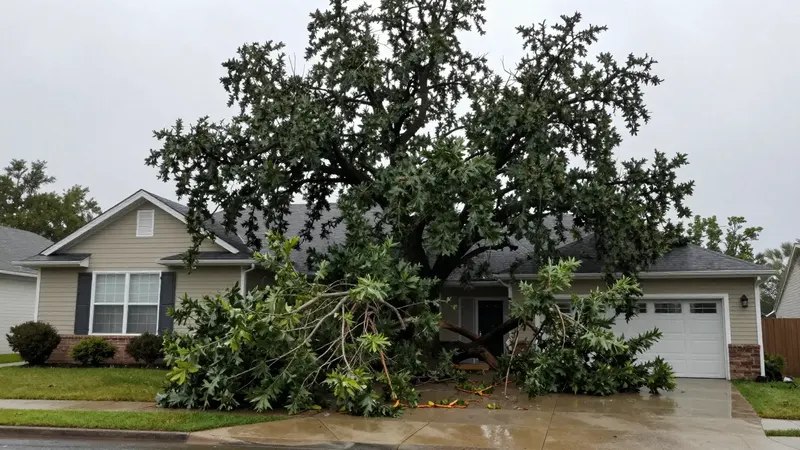
Slow-moving tropical rain of the kind that prompted the 2003 Isabel declaration can overwhelm gutters, low yards and basements, while a severe thunderstorm like the 2012 straight-line wind event can drop trees across roofs and power lines. Snow loads add stress to flat or low-slope roofs.
Water that entered from outside the house should be handled as contaminated. Many storm water damage contractors will tarp the roof, extract the water, remove soaked drywall and insulation, sanitize, and then dry everything before any rebuilding begins.
Keeping mold from taking hold
Humid summers in the Piedmont give mold everything it needs once drywall, carpet or a crawl space stays damp for more than a day or two. Basements and closets with poor airflow are frequent trouble spots.
Guidance from the EPA says patches smaller than about 10 square feet are often manageable for a careful homeowner, but larger areas, contamination in ductwork or mold that follows sewage backups merit a professional. A typical mold removal job includes containment, air scrubbing, removal of affected materials and correcting the moisture problem.
Before you call anyone: a short safety checklist
- For active fire, gas odor, injury or a collapse risk, dial 911 and wait outside.
- Stay out of flooded basements until power to that level is confirmed off.
- Watch for city notices on the official City of Charlottesville website.
- Snap wide and close-up pictures before removing anything, and jot down when the damage began. Whether a loss is covered comes down to the wording of your policy, so confirm with your agent.
- Before hiring, check whether Virginia or the city requires a license for the type of work.
Neighborhoods and nearby communities
Areas in and around Charlottesville that callers often mention include:
- Ridge Street
- Fifeville
- Tenth & Page
- Rose Hill
Nearby communities with their own pages (straight-line distance from Charlottesville):
- Lake Monticello · 11 mi
- Waynesboro · 23 mi
- Staunton · 33 mi
- Harrisonburg · 36 mi
- Culpeper · 40 mi
- Short Pump · 54 mi
Charlottesville restoration FAQs
How much rain does Charlottesville get in a year?
Wikipedia lists about 48.5 inches a year at the observatory station and about 41.6 inches at the airport. Heavy totals often arrive in short bursts from thunderstorms or tropical remnants, which is when gutters and basements get overwhelmed.
Has the city been part of federal disaster declarations?
Yes. Since 2000, FEMA declarations that included Charlottesville cover Hurricane Isabel in 2003, a severe winter storm and snowstorm in 2010, and severe storms with straight-line winds in 2012.
Do older houses here need special care after water damage?
Often they do. Plaster, old-growth wood floors and historic trim react differently to water than modern drywall. Ask any contractor how they plan to dry these materials without causing cracking or cupping.
Can I rent a fan and dry things myself?
For a small, clean-water spill caught quickly, fans and a dehumidifier may be enough. Water that sat for days, came from outside, or soaked into walls usually needs moisture meters and commercial drying gear to avoid hidden mold.
Restoration guides
- Water Damage Repair
- Ceiling Water Damage Repair
- Storm Water Damage Restoration
- Fire Damage Restoration
- Soot Removal
- Mold Removal