
St. Cloud sits in northern Osceola County along the southern shore of East Lake Tohopekaliga, a nearly circular lake of about 12,000 acres, roughly 26 miles southeast of Orlando. The town traces back to a sugarcane plantation from the 1880s and, after 1909, to a settlement founded for Grand Army of the Republic veterans. Kissimmee lies about 9 miles away.
Calling (866) 937-3230 puts you in touch with Fire & Water Energy, a referral line that tries to connect St. Cloud property owners with independent restoration contractors. We do not do the work ourselves, and pricing and scheduling are up to the company you choose. Our how it works page and referral disclosure give the details.
Lakeshore living, flat ground and Central Florida storms
Osceola County notes that heavy storms make water pond in its flat landscape, that small ditches and streams can overflow, and that leaves and debris clog street drains and back water up into low spots. St. Cloud has a humid subtropical climate with hot, humid summers and generally mild winters.
Cold has shaped local history too: the Great Freeze of 1894 to 1895 ruined the original sugar plantation. Since 2000, FEMA has included Osceola County in major disaster declarations for Ivan and Jeanne (2004), Wilma (2005), Tropical Storm Fay (2008), Matthew (2016), Irma (2017), Dorian (2019), Ian and Nicole (2022), Idalia (2023), and Debby and Milton (2024).
Interior leaks across a fast-growing city
St. Cloud had 21,347 housing units in 2020 and an estimated 24,743 by 2024, so a large share of the housing is recent construction alongside older homes. Leaks inside them tend to come from the same short list: supply lines, water heaters, ice maker connections, slab plumbing and attic air conditioners whose condensate drains back up during the long cooling season.
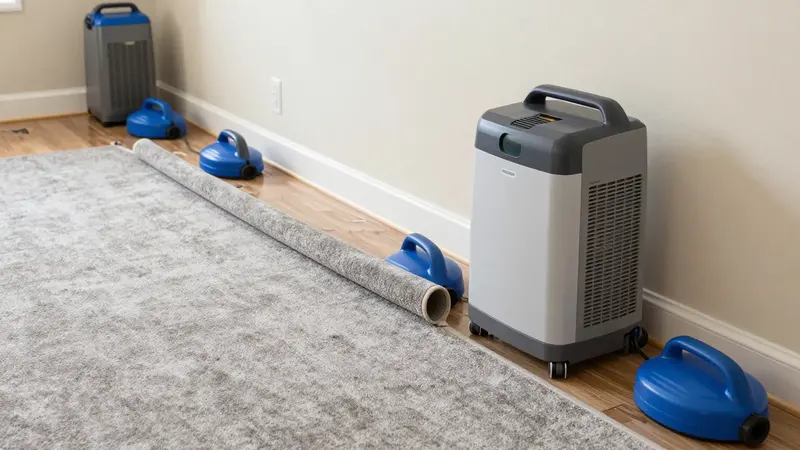
If you are searching for water damage restoration in St. Cloud, look for a contractor who measures moisture in walls and floors rather than guessing. Our emergency water removal page explains the first hours, and structural drying covers how the house is brought back to normal moisture levels.
Federal disaster declarations that included Osceola County
FEMA records show Osceola County was included in 14 major disaster declarations for weather or fire events from 2000 through 2026 (12 hurricane, 1 tropical storm, 1 severe storm, by FEMA incident type). Declarations are made at the county level, so they do not mean every neighborhood in St. Cloud was affected. The most recent:
- 2024 – Hurricane Milton (DR-4834)
- 2024 – Hurricane Debby (DR-4806)
- 2023 – Hurricane Idalia (DR-4734)
- 2022 – Hurricane Nicole (DR-4680)
- 2022 – Hurricane Ian (DR-4673)
- 2019 – Hurricane Dorian (DR-4468)
Source: OpenFEMA Disaster Declarations Summaries, retrieved 2026-10-10. Counts include major disaster (DR) declarations with hurricane, flood, severe storm, tropical storm, fire, tornado, coastal storm, winter or ice storm, mudslide and dam/levee incident types.
Water, fire or storm damage in St. Cloud?
Call (866) 937-3230 and tell us what happened at your St. Cloud property.
Fire, smoke and the downtown's older buildings
Downtown St. Cloud is known for its mostly Spanish Revival buildings, and older structures can hide gaps where smoke travels into walls and attics. In any home, kitchen fires, dryer vents and electrical faults are common starting points.
After the fire department leaves, a contractor offering fire damage restoration will usually secure the property, remove debris, dry out firefighting water and then clean. For lingering smells, ask whether smoke odor removal is part of the quoted scope.
Hurricane rain, ponding water and creek overflow
Hurricanes and tropical storms crossing Central Florida can bring days of rain, and the county lists broken levees and outdated or clogged drainage among local flood causes. It also links to USGS water level gauges for Shingle Creek and Boggy Creek so residents can watch conditions.
Floodwater that enters a home is treated as contaminated. Flood cleanup generally means removing wet flooring and the lower part of the drywall, then drying and sanitizing. Wind damage to roofs and soffits falls under storm damage cleanup.
Humidity and mold growth after water damage
Hot, humid summers give mold a head start on anything left wet, from closet drywall to the back of kitchen cabinets. Getting materials dry quickly is the most reliable way to prevent it.
EPA guidance suggests a professional should handle areas over roughly 10 square feet. A mold remediation company should explain its containment plan and how it will confirm the moisture source is fixed.
What St. Cloud residents should do first
- Call 911 for fires, injuries, gas odors or downed lines, and stay away from wires near water.
- Avoid walking or driving through moving water; the county warns that drowning is the leading cause of flood deaths.
- Sign up for Alert Osceola through Osceola County and review its flood information.
- Take photos of all damage before cleanup.
- Contact your insurer; coverage depends on your policy, and flood damage usually needs separate flood insurance.
Neighborhoods and nearby communities
Areas in and around St. Cloud that callers often mention include:
- Downtown St. Cloud
Nearby communities with their own pages (straight-line distance from St. Cloud):
- Kissimmee · 9 mi
- Poinciana · 13 mi
- Orlando · 21 mi
- Alafaya · 22 mi
- Pine Hills · 24 mi
- Winter Park · 25 mi
St. Cloud restoration FAQs
How long does flood insurance take to start in Osceola County?
Osceola County notes that a flood policy generally takes 30 days after purchase to take effect. Buying one when a storm is already in the forecast is usually too late, so talk to your agent well before hurricane season.
Why does my St. Cloud street flood after heavy rain?
The county explains that flat terrain lets water pond, and leaves or yard waste can clog street drains. Keeping yard debris out of the road helps, and you can report persistent problems to the county or city.
Where can I watch water levels near St. Cloud?
Osceola County's flood information page links to USGS gauges for Shingle Creek and Boggy Creek. Follow Alert Osceola for official warnings during storms.
Can you find a contractor for an older home near downtown?
Phone (866) 937-3230 and tell us what happened. We will try to connect you with an independent contractor serving St. Cloud, and you can ask them directly about experience with older buildings.
Restoration guides
- Emergency Water Removal
- Structural Drying
- Flood Cleanup
- Storm Damage Cleanup
- Fire Damage Restoration
- Mold Remediation