
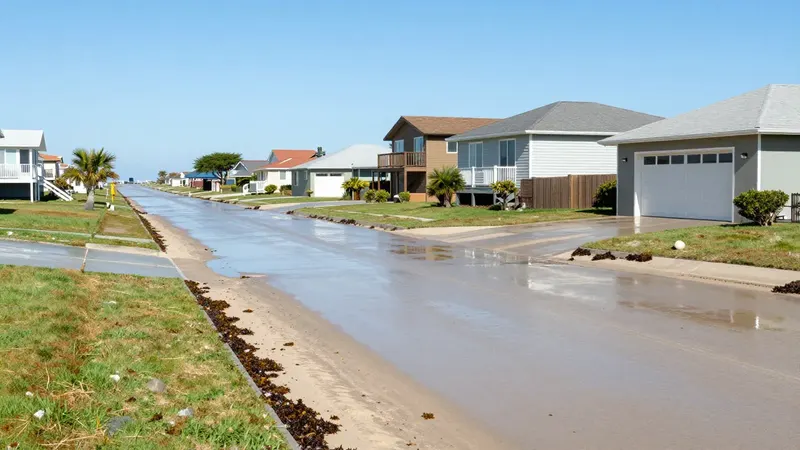
Miami Beach occupies a chain of natural and man-made barrier islands between the Atlantic Ocean and Biscayne Bay. Its Art Deco Historic District holds hundreds of hotels and apartment buildings from 1923 to 1943, while North Beach is known for mid-century Miami Modern architecture. Parts of western South Beach sit at roughly the level of normal high tide.
Fire & Water Energy is a referral service only. Call (866) 937-3230 and we will try to put you in touch with an independent restoration contractor serving your building in Miami Beach. Each firm sets its own availability and pricing. See our referral steps and the disclosure to learn more.
Life at sea level: tides, pumps and hurricane history
Some roads flood during the annual king tides, and a University of Miami study cited on Wikipedia found tidal flooding became far more frequent from the mid-2000s. The city responded with a multiyear plan to install dozens of pumps, raise sea walls and lift roads by about 2.5 feet. Because the limestone underneath is porous, water can also come up from below. On August 1, 2017, pump failures and power outages during heavy rain led to sudden flooding.
The 1926 Miami hurricane caused significant damage here, and the area has felt Andrew (1992), Irene (1999), Katrina and Wilma (2005) and Irma (2017). FEMA has also included Miami-Dade County in declarations for Ian and Nicole (2022) and Milton (2024).
Leaks in Art Deco, MiMo and high-rise buildings
Many 1930s buildings in the Art Deco district are low-rise stucco structures, and their age means old supply lines, drain pipes and roofing can all fail. Newer towers bring a different pattern: a broken pipe or an overflowing AC drain pan in one unit can soak the units below.
If you need water damage restoration in Miami Beach, tell the contractor whether the building is in a historic district and whether the association must approve work. Ceiling stains from upstairs leaks are covered on our ceiling water damage repair page.
Federal disaster declarations that included Miami-Dade County
FEMA records show Miami-Dade County was included in 11 major disaster declarations for weather or fire events from 2000 through 2026 (9 hurricane, 2 severe storm, by FEMA incident type). Declarations are made at the county level, so they do not mean every neighborhood in Miami Beach was affected. The most recent:
- 2024 – Hurricane Milton (DR-4834)
- 2022 – Hurricane Nicole (DR-4680)
- 2022 – Hurricane Ian (DR-4673)
- 2017 – Hurricane Irma (DR-4337)
- 2005 – Hurricane Wilma (DR-1609)
- 2005 – Hurricane Katrina (DR-1602)
Source: OpenFEMA Disaster Declarations Summaries, retrieved 2026-10-10. Counts include major disaster (DR) declarations with hurricane, flood, severe storm, tropical storm, fire, tornado, coastal storm, winter or ice storm, mudslide and dam/levee incident types.
Water, fire or storm damage in Miami Beach?
Call (866) 937-3230 and tell us what happened at your Miami Beach property.
Fire, smoke and shared ventilation
In condo and hotel buildings, smoke from one unit can travel through corridors, trash chutes and shared ductwork. Soot and odor then become a building-wide problem rather than a single-room one.
A provider of smoke odor removal or fire damage cleanup will usually coordinate with building management, clean affected surfaces and deodorize. Ask how they plan to protect neighboring units during the work.
King tides, surge and street flooding
Tidal water and storm surge are salty, and floodwater from streets carries debris and sewage. Ground-floor apartments, lobbies, garages and storage rooms take the brunt. Saltwater also corrodes electrical systems and elevators.
Contractors that handle flood damage restoration typically pump out water, remove soaked drywall and flooring, disinfect and dry. After hurricanes, hurricane damage cleanup may also include board-up and debris removal.
Mold in vacant and seasonal units
In 2020, nearly a third of the city's housing units were counted as vacant, which includes seasonal and second homes. When a unit sits closed with weak air conditioning, humidity builds and mold can appear on walls, closets and furniture.
EPA guidance recommends a professional for mold covering more than roughly 10 square feet. Ask any mold remediation company how they will contain the unit and confirm moisture levels are normal before rebuilding.
Before and after a storm in Miami Beach
- Call 911 for fire, injuries, gas odors or electrical hazards.
- Check the City of Miami Beach Emergency Management page for emergency notifications, storm surge planning zones and re-entry registration.
- Do not drive through flooded streets; saltwater ruins vehicles.
- Photograph damage in your unit and in common areas, and notify your association or landlord.
- Contact your insurer; condo unit coverage, the association's master policy and flood insurance each have different terms.
Neighborhoods and nearby communities
Areas in and around Miami Beach that callers often mention include:
- South Beach
- Middle Beach
- North Beach
- Biscayne Point
- Normandy Isle
- La Gorce
- North Shore
- Star Island
- Palm Island
- Hibiscus Island
- Sunset Islands
Nearby communities with their own pages (straight-line distance from Miami Beach):
- Miami · 4 mi
- North Miami · 8 mi
- West Little River · 8 mi
- Biscayne Gardens · 9 mi
- Coral Gables · 10 mi
- North Miami Beach · 10 mi
Miami Beach restoration FAQs
Why do some Miami Beach streets flood on sunny days?
During king tides, high water can reach low roads even without rain, and the porous limestone underfoot lets water seep up from below. Parts of western South Beach sit at about the level of normal high tide. The city has installed pumps and raised some roads to reduce it.
Do I need permission to re-enter after an evacuation?
The city's emergency management page offers re-entry registration for hotels and condos after an evacuation. Check it before hurricane season so you know the process.
Who pays when a leak from the unit upstairs damages my condo?
That depends on the cause, your association's documents and each owner's policy. Document everything, notify the association and both insurers, and keep copies of all reports.
Can you find a contractor familiar with historic Art Deco buildings?
We try to connect callers with independent contractors serving their address in Miami Beach. Mention the building's age and historic status when you call (866) 937-3230 so we can look for an appropriate provider.
Restoration guides
- Flood Damage Restoration
- Hurricane Damage Cleanup
- Water Damage Restoration
- Ceiling Water Damage Repair
- Mold Remediation
- Smoke Odor Removal