
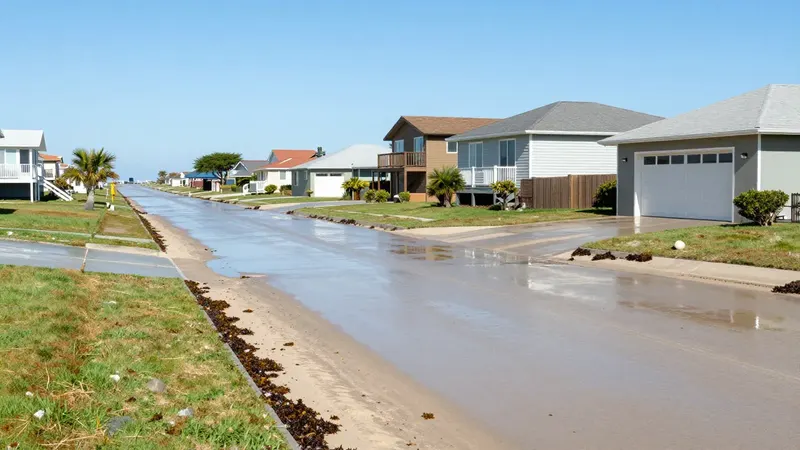
Most of Miami sits only about 6 feet above sea level, between Biscayne Bay and the edge of the Everglades. Wikipedia notes that roughly 40 percent of homes are in floodplains, and that hurricane season stretches from June through November.
If you have a leak, a flooded room or a fire, you can call (866) 937-3230. Fire & Water Energy doesn't send crews; it's a referral line that tries to put you in touch with an independent restoration company serving your address. We can't guarantee who is free or what they'll charge. More on that is in how referrals work and the referral disclosure.
Biscayne Bay, the aquifer and the hurricane calendar
The city rests on Miami limestone, a porous rock that sits over the Biscayne Aquifer. Dig 15 to 20 feet almost anywhere and you reach groundwater. That geology matters during heavy rain and high tides, because water can rise through the ground as well as wash in from the street. Projections cited on Wikipedia call for 21 to 40 inches of sea level rise by 2070.
The wet season runs May to October, and the riskiest stretch for a hurricane strike is mid-August through late September. The 1926 Miami hurricane set back the city's early growth. In recent decades, FEMA has included Miami-Dade County in major disaster declarations for Hurricanes Katrina and Wilma (2005), Irma (2017), Ian and Nicole (2022) and Milton (2024), among others.
Leaks and water intrusion in South Florida buildings
Year-round air conditioning is the quiet culprit behind a lot of interior damage: condensate lines clog, drain pans overflow and the water spreads under flooring before anyone notices. Wind-driven rain during tropical systems can also get around windows and sliding doors, and older roofs in neighborhoods with 1920s homes, such as the Upper Eastside, may need a closer look after storms. Freezing pipes, on the other hand, are basically a non-issue here.
For water damage restoration in Miami, contractors commonly trace the source, pull out standing water with water extraction gear, and run dehumidifiers until readings come down. Condo owners should also notify building management, since leaks often cross unit lines.
Federal disaster declarations that included Miami-Dade County
FEMA records show Miami-Dade County was included in 11 major disaster declarations for weather or fire events from 2000 through 2026 (9 hurricane, 2 severe storm, by FEMA incident type). Declarations are made at the county level, so they do not mean every neighborhood in Miami was affected. The most recent:
- 2024 – Hurricane Milton (DR-4834)
- 2022 – Hurricane Nicole (DR-4680)
- 2022 – Hurricane Ian (DR-4673)
- 2017 – Hurricane Irma (DR-4337)
- 2005 – Hurricane Wilma (DR-1609)
- 2005 – Hurricane Katrina (DR-1602)
Source: OpenFEMA Disaster Declarations Summaries, retrieved 2026-10-10. Counts include major disaster (DR) declarations with hurricane, flood, severe storm, tropical storm, fire, tornado, coastal storm, winter or ice storm, mudslide and dam/levee incident types.
Water, fire or storm damage in Miami?
Call (866) 937-3230 and tell us what happened at your Miami property.
Cleaning up after a kitchen fire or electrical fire
Smoke residue behaves badly in warm, damp air. Soot can stain grout, cabinets and textiles, and odor tends to linger in AC ductwork. A reputable company will usually separate salvageable items, clean or seal affected surfaces and deodorize the HVAC system. Our pages on smoke damage cleanup and soot removal describe the typical approach.
Don't turn the air handler back on until a professional has checked it, or you may spread residue into rooms that were untouched.
Storm surge, king tides and hurricane debris
Surge from Biscayne Bay and runoff from heavy rain bring different problems. Saltwater corrodes metal and wiring, and any floodwater that has crossed streets is considered Category 3, meaning it may carry sewage and chemicals. Drywall, insulation and carpet that sat in that water are usually removed.
After a hurricane, contractors who offer hurricane damage cleanup or flood damage restoration often handle emergency board-up, roof tarping, debris removal and drying. Keep damaged items until your adjuster has seen them or approved disposal.
Why mold spreads quickly in Miami's climate
Average humidity sits around 73 percent and climbs toward 78 percent in September. Combined with warm temperatures, that gives mold an easy start on any material that stays wet for more than a day or two. The EPA's general guidance is that a moldy area bigger than roughly 10 square feet calls for professional help.
When you talk with a mold removal provider, ask how they will contain the area, how they'll fix the moisture source, and how they'll verify the job is finished.
What to do first if your Miami property is damaged
- Call 911 for a fire, a gas smell, injuries or downed power lines.
- Keep away from standing water near outlets or appliances.
- Sign up for Miami-Dade Alerts and look up your Storm Surge Planning Zone through the Miami-Dade Department of Emergency Management.
- Photograph damage room by room and save receipts.
- Ask your agent or insurer what your policy includes; coverage depends on the policy, and windstorm and flood are often handled differently.
Neighborhoods and nearby communities
Areas in and around Miami that callers often mention include:
- Brickell
- Downtown Miami
- Little Havana
- Coconut Grove
- Coral Way
- The Roads
- Allapattah
- Flagami
- West Flagler
- Edgewater
- Wynwood
- Midtown
- Design District
- Upper Eastside
- Little Haiti
- Overtown
- Liberty City
Nearby communities with their own pages (straight-line distance from Miami):
- Miami Beach · 4 mi
- Coral Gables · 6 mi
- West Little River · 6 mi
- Hialeah · 8 mi
- North Miami · 8 mi
- Westchester · 8 mi
Miami restoration FAQs
Why does water come up through the floor during storms here?
Miami is built on porous limestone above a shallow aquifer, so groundwater can rise when rain and tides are high. That can push moisture up through slabs and into ground-floor rooms. A contractor can use meters to tell whether the water is coming from below, from a plumbing leak or from outside.
Can you find someone for a condo in Brickell or Edgewater?
We try to connect you with an independent contractor who works in your part of the county, including high-rise buildings. Condo jobs often need the association's approval, so let building management know early. Call (866) 937-3230 to start.
How do I check whether my address faces storm surge?
Miami-Dade County's Department of Emergency Management offers a Storm Surge Planning Zones lookup. Check it before hurricane season, since evacuation orders are based on those zones.
Do I need a contractor for a small amount of mold behind the AC closet?
A patch smaller than about 10 square feet can often be cleaned by a homeowner following EPA guidance, as long as the moisture source is fixed. Larger areas, recurring growth or anyone with breathing problems are good reasons to bring in a professional.
Restoration guides
- Hurricane Damage Cleanup
- Flood Damage Restoration
- Water Extraction
- Water Damage Restoration
- Mold Removal
- Smoke Damage Cleanup