
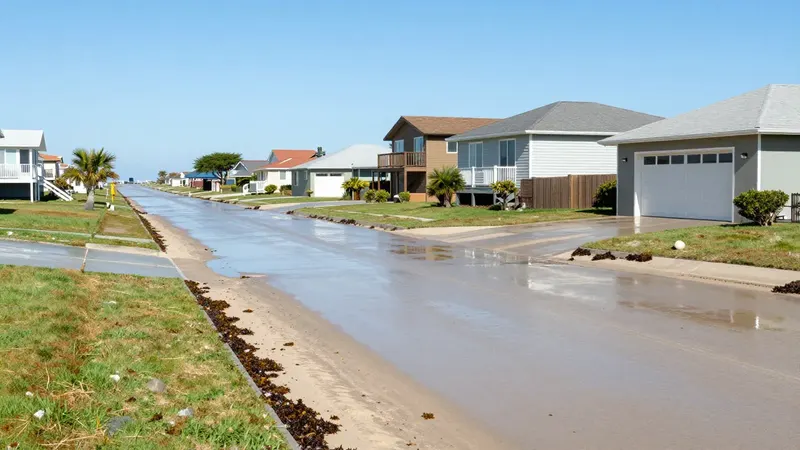
Water is part of daily life on the bay, but it becomes a problem when it gets inside. Since 2000, Mobile County has been named in many federal major disaster declarations, including Hurricanes Katrina, Gustav, Isaac, Nate, Michael, Sally and Zeta.
Fire & Water Energy connects callers with independent contractors; we are a referral service and do not do the work. Phone (866) 937-3230 and we will try to match you with an independent restoration contractor serving Mobile, depending on which providers are taking jobs nearby. Details are on our referral disclosure page.
Bayfront risks: surge, rainfall and the delta
Elevation ranges from about 10 feet on Water Street downtown to 211 feet out at the regional airport, and the Mobile-Tensaw River Delta spreads out just north and east of the city. A 2007 study cited on Wikipedia named Mobile the wettest city in the contiguous United States, at 66.3 inches of rain a year.
Hurricane Frederic passed over the city center as a Category 3 storm on September 12, 1979. On August 29, 2005, Katrina pushed an 11.45-foot surge that flooded downtown, Battleship Parkway and Jubilee Parkway. In 2020, Sally came ashore at Gulf Shores as a strong Category 2, and the National Weather Service reported mainly wind damage, downed trees and widespread outages across the county; Zeta followed about a month later. A wedge tornado rated EF2 also hit on Christmas Day 2012.
Everyday leaks and water damage restoration in Mobile
With frequent downpours, roof leaks and failed window seals are among the most common reasons people look for water damage restoration in Mobile. Older homes in historic districts like Oakleigh Garden, Old Dauphin Way and De Tonti Square may have aging roofs, raised floors and original plumbing that need careful handling.
Air conditioning runs most of the year, so overflowing condensate pans and clogged drain lines are regular culprits. Freezes are infrequent, although the January 2025 snowfall showed cold snaps do happen. Contractors commonly provide water extraction and structural drying, monitoring moisture until materials reach normal levels.
Federal disaster declarations that included Mobile County
FEMA records show Mobile County was included in 16 major disaster declarations for weather or fire events from 2000 through 2026 (11 hurricane, 5 severe storm, by FEMA incident type). Declarations are made at the county level, so they do not mean every neighborhood in Mobile was affected. The most recent:
- 2023 – Severe Storms, Straight-line Winds, and Tornadoes (DR-4684)
- 2020 – Hurricane Zeta (DR-4573)
- 2020 – Hurricane Sally (DR-4563)
- 2018 – Hurricane Michael (DR-4406)
- 2017 – Hurricane Nate (DR-4349)
- 2014 – Severe Storms, Tornadoes, Straight-line Winds, and Flooding (DR-4176)
Source: OpenFEMA Disaster Declarations Summaries, retrieved 2026-10-10. Counts include major disaster (DR) declarations with hurricane, flood, severe storm, tropical storm, fire, tornado, coastal storm, winter or ice storm, mudslide and dam/levee incident types.
Water, fire or storm damage in Mobile?
Call (866) 937-3230 and tell us what happened at your Mobile property.
When a fire leaves smoke and soot behind
Mobile's history includes devastating fires in 1827 and 1839, but today most home fires start in kitchens or with electrical faults, and the cleanup challenge is soot, odor and the water used to put the flames out. In a humid climate, that wet, sooty material needs prompt drying.
A reputable company will usually secure the structure, remove debris, dry it, then clean soot and deodorize. You can read our overviews of fire damage restoration and smoke odor removal before calling.
Hurricane debris, storm surge and flood cleanup
After a hurricane, the usual sequence is tarping damaged roofs, clearing fallen trees and extracting water before mold gets started. Surge water and river or street flooding are considered contaminated (Category 3), so soaked drywall, insulation and carpet are typically removed and surfaces disinfected.
Federal declarations for Mobile County also include non-tropical events, such as severe storms, straight-line winds and tornadoes in 2023 (DR-4684). For more, see hurricane damage cleanup and flood cleanup.
Why mold moves quickly on the Gulf Coast
Hot, humid summers and mild, rainy winters mean that wet building materials rarely dry on their own. After a storm, mold can appear on drywall, under carpet and inside cabinets within a couple of days.
The EPA advises calling a professional when growth covers more than about 10 square feet or when contaminated water was involved. Contractors commonly set up containment, run air scrubbers and remove affected materials. Learn more about mold remediation.
Staying safe after storm or water damage in Mobile
- Call 911 for emergencies, including gas smells, fires and injuries.
- Follow evacuation and re-entry orders from local officials; do not return early after a hurricane.
- Avoid wading through floodwater, which may hide debris and live electrical lines.
- Document everything with photos before you move or throw anything away.
- Check with your insurer or agent about what your policy includes; wind and flood are often handled separately.
Then call (866) 937-3230 for a referral, or browse our Alabama coverage.
Neighborhoods and nearby communities
Areas in and around Mobile that callers often mention include:
- Oakleigh Garden
- Old Dauphin Way
- De Tonti Square
- Church Street East
- Ashland Place
- Midtown
- Spring Hill
- Toulminville
- Campground
- Leinkauf
- Lower Dauphin Street
Nearby communities with their own pages (straight-line distance from Mobile):
- Prichard · 4 mi
- Saraland · 9 mi
- Daphne · 10 mi
- Tillmans Corner · 10 mi
- Fairhope · 14 mi
- Bay Minette · 21 mi
Mobile restoration FAQs
Is downtown Mobile at risk from storm surge?
Yes. Downtown sits only about 10 feet above sea level, and Katrina's 11.45-foot surge in 2005 flooded downtown streets along with Battleship and Jubilee Parkways. Higher neighborhoods to the west have less surge exposure but still face wind and heavy rain.
How much rain does Mobile really get?
A 2007 study found an average of 66.3 inches per year, making it the wettest city in the contiguous United States. That much rain puts steady pressure on roofs, gutters and drainage around foundations.
Should I tear out wet drywall after a hurricane?
If it was soaked by floodwater or surge, it is usually removed because that water is contaminated. Drywall wet from a clean roof leak can sometimes be dried in place. A contractor can take moisture readings and explain the options.
Does Fire & Water Energy have an office in Mobile?
No. We are a referral service only and try to connect you with independent contractors who serve the area. After a large storm, demand can be high, so ask any contractor about licensing, insurance and written estimates before work begins.
Restoration guides
- Hurricane Damage Cleanup
- Flood Cleanup
- Water Extraction
- Structural Drying
- Mold Remediation
- Fire Damage Restoration