
Lee County appears in seven FEMA major disaster declarations since 2000, among them the severe storms, straight-line winds and tornadoes of 2019 (DR-4419). For homeowners, landlords and student renters in Auburn, the more routine threats are spring thunderstorms, summer humidity and the occasional hard freeze.
Our service is a referral line, not a restoration company. Call (866) 937-3230 and we will try to connect you with an independent restoration contractor serving Auburn; whether one can help depends on who is working in the area. Details are on how it works and in the referral disclosure.
Fall Line terrain and East Alabama storms
Elevations inside the city range from about 386 feet where Chewacla Creek crosses Sand Hill Road to roughly 845 feet near the Chambers County line. The north side has wooded hills and deep hollows feeding Saugahatchee and Sandy creeks, while the south drains through the Chewacla and Opintlocco system. On terrain like that, hard rain collects quickly in low streets and creek bottoms.
Wikipedia puts annual rainfall near 52.6 inches and notes that severe thunderstorms are most common from late winter through early summer, with tornadoes possible. Hurricanes Opal in 1995 and Ivan in 2004 both brought heavy rain and high winds this far inland. Winters are mild, yet a handful of nights each year fall below 20°F.
Restoring homes and rentals after a leak
With a large university population, many Auburn properties are apartments, duplexes and rental houses, where a single failed supply line can affect several units. Washing machine hoses, toilet tanks, water heaters and AC condensate overflow are frequent culprits, and the occasional deep freeze can crack pipes in unheated spaces.
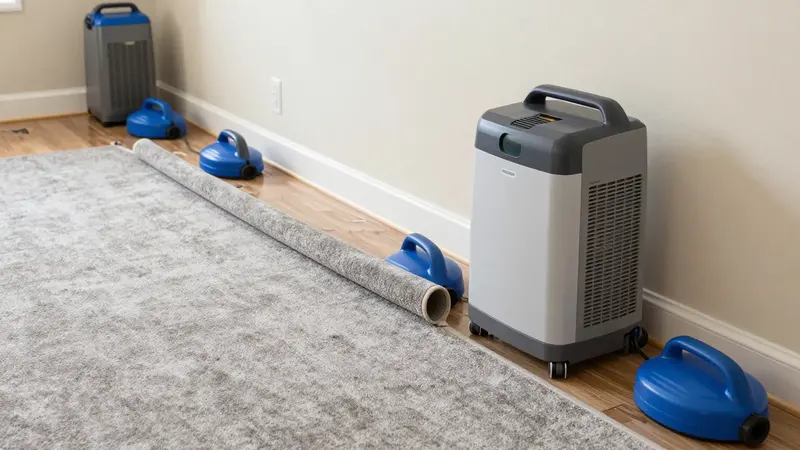
Water damage restoration in Auburn generally follows the same pattern anywhere: stop the leak, remove standing water, open wet cavities and dry with dehumidifiers and air movers until readings are back to normal. Our water damage restoration and structural drying pages describe what to expect.
Federal disaster declarations that included Lee County
FEMA records show Lee County was included in 7 major disaster declarations for weather or fire events from 2000 through 2026 (4 severe storm, 2 hurricane, 1 tornado, by FEMA incident type). Declarations are made at the county level, so they do not mean every neighborhood in Auburn was affected. The most recent:
- 2019 – Severe Storms, Straight-line Winds, and Tornadoes (DR-4419)
- 2016 – Severe Storms, Tornadoes, Straight-line Winds, and Flooding (DR-4251)
- 2014 – Severe Storms, Tornadoes, Straight-line Winds, and Flooding (DR-4176)
- 2011 – Severe Storms, Tornadoes, Straight-line Winds, and Flooding (DR-1971)
- 2005 – Hurricane Dennis (DR-1593)
- 2004 – Hurricane Ivan (DR-1549)
Source: OpenFEMA Disaster Declarations Summaries, retrieved 2026-10-10. Counts include major disaster (DR) declarations with hurricane, flood, severe storm, tropical storm, fire, tornado, coastal storm, winter or ice storm, mudslide and dam/levee incident types.
Water, fire or storm damage in Auburn?
Call (866) 937-3230 and tell us what happened at your Auburn property.
Fire, soot and smoke odor
Fire has shaped the town before; Wikipedia notes that fires in the 1860s and 1870s gutted the downtown. Today most residential fires start in kitchens, from heating equipment or with electrical faults, and shared walls in multi-unit buildings let smoke drift between homes.
Contractors commonly secure the property, clear debris, dry areas soaked by hoses, then clean soot and deal with odor. Fabrics and electronics are often packed out for separate cleaning. Those stages are laid out on our fire damage cleanup and soot removal pages.
After tornadoes, straight-line winds and creek flooding
Lee County declarations since 2000 include severe storms, tornadoes and flooding in 2003, 2011 (DR-1971), 2014 and 2016, along with Hurricane Ivan (2004) and Hurricane Dennis (2005). Wind events tend to bring trees down onto roofs and cars, while heavy rain pushes creeks out of their banks and floods low yards.
Typical storm work starts with tarping and board-up, then drying or removing wet materials. Floodwater from creeks is treated as contaminated, so carpet, pad and lower drywall it touched are usually removed. Learn more on storm damage cleanup and flood damage restoration.
Controlling mold through long, humid summers
Auburn's summers are long, hot and humid. Wet materials that are not dried within a day or two can start growing mold, especially in closed-up rentals between semesters or in crawl spaces under older houses.
If growth spans more than roughly 10 square feet, EPA guidance points toward hiring a trained professional. Contractors generally contain the area under negative air pressure, remove contaminated materials, HEPA-vacuum and fix the moisture source. Visit mold removal for more.
First moves for Auburn residents after damage
- Call 911 for injuries, fire, gas odor or downed lines.
- Shut off water at the main if a pipe is leaking, and cut power only if you can reach the panel safely.
- Tenants should notify the landlord or property manager right away and take photos.
- Follow warnings from the National Weather Service and Lee County officials during severe weather.
- Open a claim conversation with your insurer or agent early, since what is covered hinges on your particular policy.
To request a referral, call (866) 937-3230. Other locations appear on our Alabama service areas page.
Neighborhoods and nearby communities
Nearby communities with their own pages (straight-line distance from Auburn):
- Opelika · 6 mi
- Valley · 23 mi
- Phenix City · 30 mi
- Columbus, GA · 31 mi
- Alexander City · 36 mi
- LaGrange, GA · 40 mi
Auburn restoration FAQs
When is severe weather most likely around Auburn?
Severe thunderstorms are most common from late winter into early summer, and that is when tornado watches are most frequent. Tropical systems can also bring wind and heavy rain in late summer and fall, as Opal did in 1995 and Ivan did in 2004.
I rent near campus and my unit flooded from a neighbor's leak. What do I do?
Tell your landlord or property manager immediately, take photos of the damage and your belongings, and check whether you have renters insurance. Whether the landlord's policy or yours responds depends on the cause and the policy terms.
Do homes near Saugahatchee or Chewacla creeks face flood risk?
Property close to any creek can flood during intense rain, especially in low spots. Check your address on FEMA flood maps and ask your agent about flood insurance, which standard homeowners policies usually do not include.
Does Fire & Water Energy have an Auburn office?
No. We operate only as a referral service and try to connect you with an independent restoration contractor. Ask any company about licensing, insurance and IICRC certification before signing a contract.
Restoration guides
- Water Damage Restoration
- Structural Drying
- Storm Damage Cleanup
- Flood Damage Restoration
- Fire Damage Cleanup
- Mold Removal