
The Tri-Valley's eastern city gets hot, dry summers and most of its roughly 14.6 inches of yearly rain between November and April. When those winter storms stack up, water runs off the surrounding hills into the arroyos and a 37-mile web of flood channels managed by Zone 7. Alameda County was named in seven federal disaster declarations since 2000, three of them for the 2017 winter storms and two more in 2023.
Fire & Water Energy operates as a referral line and has no crews of its own. Phone (866) 937-3230 and we'll try to put you in touch with an independent restoration contractor who works in Livermore, subject to who is available. Our referral disclosure explains what we do and don't do for Tri-Valley callers.
Arroyos, hills and valley weather
The Livermore Valley stretches about 15 miles east to west and 10 miles north to south, with Altamont Pass leading out toward the Central Valley. Arroyo Mocho, Arroyo Valle, Arroyo Seco and Arroyo Las Positas carry runoff from the hills. Zone 7's flood protection page shows aerial photos of the Tri-Valley under water in 1955, a reminder that these channels exist for a reason.
Summer heat is serious here; the record high is 116 degrees. Winters are cool, and snow, while rare, has dusted the hills and occasionally the valley floor, including in February 2023. The area also sits near the Greenville, Tesla and Livermore faults, so earthquake-related pipe breaks belong on any planning list.
What usually causes water damage in Livermore homes
About 70 percent of homes in the city were owner-occupied in 2020, which means most repair decisions land on the people living there. Common sources of indoor water include failed water heaters, washing machine hoses, leaking supply lines under sinks and slab leaks that show up as warm or damp floors. Winter storms after a long dry season expose cracked roof tiles and gutters packed with leaves.
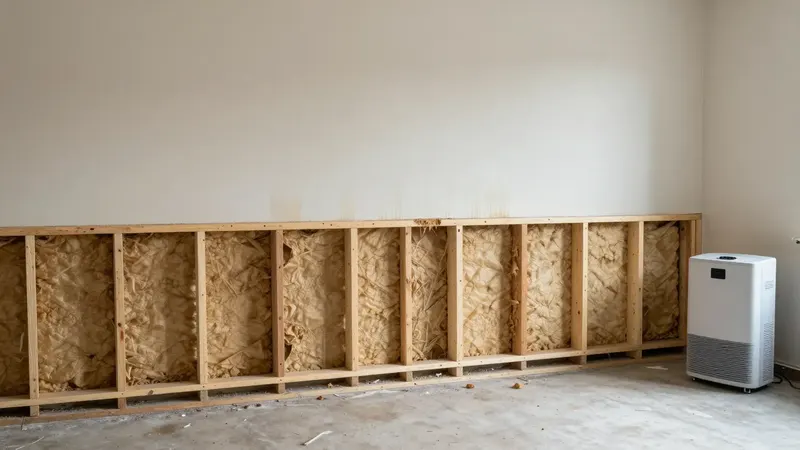
Cold snaps are uncommon but can split exposed hose bibs and backflow devices. A homeowner looking for water damage restoration in Livermore should expect a contractor to stop the source, remove standing water, open up wet materials when needed and verify dryness with meters before repairs. The steps are laid out on our water damage repair and structural drying pages.
Federal disaster declarations that included Alameda County
FEMA records show Alameda County was included in 7 major disaster declarations for weather or fire events from 2000 through 2026 (4 severe storm, 3 flood, by FEMA incident type). Declarations are made at the county level, so they do not mean every neighborhood in Livermore was affected. The most recent:
- 2023 – Severe Winter Storms, Straight-line Winds, Flooding, Landslides, and Mudslides (DR-4699)
- 2023 – Severe Winter Storms, Flooding, Landslides, and Mudslides (DR-4683)
- 2017 – Severe Winter Storms, Flooding, and Mudslides (DR-4308)
- 2017 – Severe Winter Storms, Flooding, and Mudslides (DR-4305)
- 2017 – Severe Winter Storms, Flooding, and Mudslides (DR-4301)
- 2006 – Severe Storms, Flooding, Landslides, and Mudslides (DR-1646)
Source: OpenFEMA Disaster Declarations Summaries, retrieved 2026-10-10. Counts include major disaster (DR) declarations with hurricane, flood, severe storm, tropical storm, fire, tornado, coastal storm, winter or ice storm, mudslide and dam/levee incident types.
Water, fire or storm damage in Livermore?
Call (866) 937-3230 and tell us what happened at your Livermore property.
Heat, dry grass and smoke cleanup
Long, hot summers dry out landscaping and the open hillsides around the valley, and indoor fires from cooking, dryers and electrical faults happen year-round. After a house fire, restoration contractors commonly secure the structure, haul out debris, dry firefighting water and clean soot from every surface before rebuilding. Odor can linger in insulation and ductwork long after visible soot is gone.
Our pages on fire damage restoration and smoke odor removal describe that work.
When the arroyos run high
Heavy, repeated winter rain can push water out of creeks and overwhelm storm drains, flooding garages, yards and ground floors. Floodwater picks up soil, fuel and sewage, so it is treated as contaminated; soaked carpet, pad and lower drywall are usually removed. Hillside runoff can also carry mud against foundations and into crawl spaces.
Zone 7's preparedness materials cover proper sandbag placement and bagging leaves so they don't clog drains. For cleanup after water gets inside, see flood damage restoration and storm water damage restoration.
Mold after a wet winter
The dry climate works in your favor most of the year, but materials that stay wet after a winter leak or flood can start growing mold within days, especially in closed walls, under flooring and in attic sheathing. EPA guidance says areas larger than about 10 square feet should go to experienced remediators who isolate the space, run HEPA filtration and fix the moisture problem first. Details are on mold removal.
Safety checklist for Livermore residents
- Call 911 for fire, a gas leak, electrical hazards or anyone hurt. Zone 7 also directs emergencies to 911.
- Do not wade through floodwater or touch wet electrical equipment.
- Use Zone 7's flood protection page for channel information and preparedness tips.
- Take pictures of each wet or burned area and hold on to every receipt.
- Ask your insurer or agent what applies; policies differ, and earthquake and flood coverage are usually separate.
Call (866) 937-3230 to ask about an independent contractor, or browse California service areas.
Neighborhoods and nearby communities
Areas in and around Livermore that callers often mention include:
- Downtown Livermore
Nearby communities with their own pages (straight-line distance from Livermore):
Livermore restoration FAQs
Has the Livermore Valley flooded before?
Yes. Zone 7 shows photographs of the Tri-Valley flooded in 1955, and Alameda County was part of federal flood and storm declarations in 2006, 2017 and 2023. The agency now manages about 37 miles of streams and flood channels in the area.
Who maintains the arroyos and flood channels?
Zone 7 Water Agency manages the Tri-Valley's flood channel network, and its vegetation season begins each May 1. Non-emergency questions go to the agency through its website; emergencies go to 911.
Do pipes freeze in Livermore?
Not often, but the valley does get cold winter nights, and snow has reached the hills and occasionally the valley floor. Insulating exposed outdoor plumbing and backflow devices is a sensible precaution.
What should I do about water damage after an earthquake?
Shut off the main water valve if a line has broken, and check for gas leaks before anything else. Several faults lie near the city, so keep a wrench by the shutoff and confirm whether your insurance includes earthquake coverage.
Is Fire & Water Energy based in the Tri-Valley?
No. We have no local office or technicians. We take calls and try to match people with independent restoration contractors serving the area.
Restoration guides
- Water Damage Repair
- Structural Drying
- Flood Damage Restoration
- Storm Water Damage Restoration
- Fire Damage Restoration
- Mold Removal