
San Ramon spreads across the San Ramon Valley in Contra Costa County, with Mount Diablo to the northeast and the Las Trampas Regional Wilderness at its northwest corner. Since incorporating in 1983 the city has grown from about 22,000 residents to roughly 85,000, so a large share of its housing went up in recent decades.
Fire & Water Energy only makes referrals; we have no crews and do no repairs. Ring (866) 937-3230 and we will attempt to line you up with an independent restoration contractor working in San Ramon, subject to who is available. The how-it-works overview and referral disclosure have the fine print.
Valley floor, foothills and a short wet season
Wikipedia describes a Mediterranean climate with warm, dry summers and cool, fairly short winters; about 26.5 inches of precipitation fall in an average year, mostly between November and April. Temperatures have ranged from a record 111°F in September to 18°F in December, and morning fog sometimes slips through Crow Canyon into the western side of town. The land shifts from the flat valley basin to grassy Diablo Range foothills at the edges.
Contra Costa County has been included in five FEMA major disaster declarations since 2000: the 2006 severe storms declaration (DR-1628), three winter storm declarations in 2017 (DR-4301, DR-4305 and DR-4308) and the 2023 winter storms declaration (DR-4683).
Plumbing and appliance leaks in newer homes
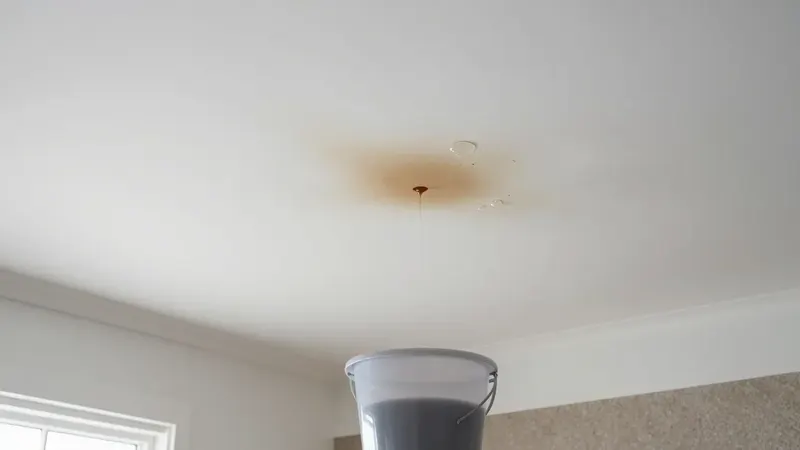
The city had about 29,146 housing units in 2020, many of them built during the growth of the last four decades. Even relatively new houses see slab leaks, failed PEX or copper fittings, water heater ruptures and leaking ice-maker lines. Hot summer stretches keep AC systems running, and a blocked condensate line can saturate a ceiling below an attic unit.
Most people searching for water damage restoration in San Ramon need the source stopped, water removed and the structure dried. After that, water damage repair covers replacing drywall, baseboards and flooring, while emergency water removal addresses the first hours.
Federal disaster declarations that included Contra Costa County
FEMA records show Contra Costa County was included in 5 major disaster declarations for weather or fire events from 2000 through 2026 (3 flood, 2 severe storm, by FEMA incident type). Declarations are made at the county level, so they do not mean every neighborhood in San Ramon was affected. The most recent:
- 2023 – Severe Winter Storms, Flooding, Landslides, and Mudslides (DR-4683)
- 2017 – Severe Winter Storms, Flooding, and Mudslides (DR-4308)
- 2017 – Severe Winter Storms, Flooding, and Mudslides (DR-4305)
- 2017 – Severe Winter Storms, Flooding, and Mudslides (DR-4301)
- 2006 – Severe Storms, Flooding, Mudslides, and Landslides (DR-1628)
Source: OpenFEMA Disaster Declarations Summaries, retrieved 2026-10-10. Counts include major disaster (DR) declarations with hurricane, flood, severe storm, tropical storm, fire, tornado, coastal storm, winter or ice storm, mudslide and dam/levee incident types.
Water, fire or storm damage in San Ramon?
Call (866) 937-3230 and tell us what happened at your San Ramon property.
Smoke residue and fire cleanup
Grassland and oak country around the edges of the city dries out each summer. When fires burn anywhere in the region, smoke and fine ash can settle into homes through open windows, vents and attic gaps, leaving odor in carpets and drapes.
For an actual house fire, contractors generally board up openings, remove debris, clean soot and treat odor before rebuilding. See fire damage cleanup and smoke odor removal for what that usually involves.
Hillside runoff and winter storm repairs
Homes built against the foothills can receive runoff from slopes above them during long storms, while valley-floor houses may see water pool around foundations. The 2017 and 2023 storm declarations included flooding, landslides and mudslides countywide, so check drainage around your lot before the wet months.
When water comes from outside, assume it is contaminated. Storm water damage restoration handles rain entering through roofs and windows, and flood damage restoration covers rising water at ground level.
Keeping mold out after the rainy months
Short, cool winters with occasional fog can keep closets, garages and crawl spaces damp longer than expected. Mold usually shows up as dark spotting, a musty smell or peeling paint near the source of moisture.
Per EPA guidance, a careful homeowner can typically handle less than about 10 square feet of mold. Anything larger, hidden behind walls, or caused by contaminated water is a job for mold remediation, with containment and verification that materials are dry.
Getting through the first hour safely
- Call 911 for fire, injuries, a gas smell or dangerous water levels.
- Sign up for city alerts by email, text or Nixle on the San Ramon emergency alerts page; the city also uses 1610 AM radio during emergencies.
- Turn off electricity to wet areas only if you can do it from a dry spot.
- Take wide and close-up photos of all damage before cleanup.
- Call your insurance company or agent promptly; coverage depends on your policy terms.
See all regions on our California service areas page.
Neighborhoods and nearby communities
Areas in and around San Ramon that callers often mention include:
- Central San Ramon
- Bishop Ranch
- Dougherty Valley
Nearby communities with their own pages (straight-line distance from San Ramon):
- Hayward · 10 mi
- Pleasanton · 10 mi
- Walnut Creek · 10 mi
- San Leandro · 10 mi
- Union City · 13 mi
- Livermore · 13 mi
San Ramon restoration FAQs
Which months bring the most rain to San Ramon?
Most of the roughly 26.5 inches of yearly precipitation falls between November and April. Roof, gutter and drainage problems tend to appear during those months. A fall inspection of gutters and downspouts is worthwhile.
How does the city warn residents during an emergency?
The city offers email and text alerts, Nixle messages from the police department, a live alerts page and broadcasts on 1610 AM. Signing up before winter storms or fire season means you will get updates directly.
My home backs onto a hillside. What should I watch for?
Look for water flowing toward the house from the slope, cracks in retaining walls and soil sliding during long storms. Keep drainage ditches and swales clear. If mud or water enters the home, treat it as contaminated.
Can a newer house in Dougherty Valley have a slab leak?
Yes, newer homes can develop slab leaks from fitting failures or pipe abrasion. Warm spots on the floor, an unexplained water bill increase or the sound of running water are common clues. A leak detection specialist can locate it before flooring is pulled.
Do you send someone out yourselves?
No. Our role ends at the referral: we try to connect callers with independent contractors serving San Ramon, and those companies handle the inspection and the work.
Restoration guides
- Water Damage Restoration
- Water Damage Repair
- Emergency Water Removal
- Storm Water Damage Restoration
- Fire Damage Cleanup
- Mold Remediation