
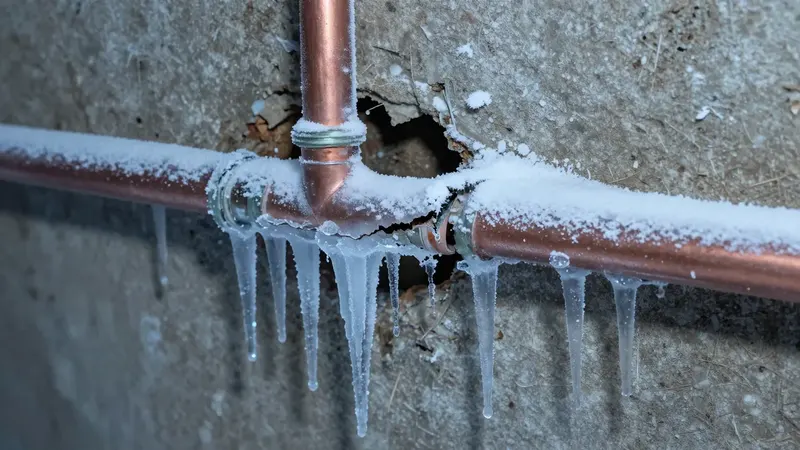
At about 5,473 feet, the largest city in San Juan County gets only around 8 inches of precipitation in a typical year. That low total hides two very different risks: sudden late-summer downpours and deep winter cold that can freeze plumbing solid.
Fire & Water Energy operates a referral line and doesn't send its own workers. Dial (866) 937-3230 and we will try to match you with an independent restoration provider that serves Farmington. Openings depend on local companies and cannot be guaranteed; our referral disclosure spells out how it works.
High-desert climate where three rivers meet
Average yearly precipitation is about 7.95 inches. September is the wettest month at roughly 1.09 inches, and June is the driest at about a quarter inch. Summers can reach 105°F, while the coldest reading on record is -34°F, set in December. Snow falls most winters.
San Juan County has been part of four FEMA major disaster declarations since 2000: a severe forest fire (DR-1329, 2000), severe storms and flooding (DR-1936, 2010), severe storms, flooding and mudslides (DR-4152, 2013), and the 2024 declaration for the South Fork Fire, Salt Fire, and Flooding (DR-4795). Declarations cover the whole county and do not pinpoint particular blocks.
Frozen lines, roof leaks and other water damage sources
Deep cold is the standout plumbing threat. When temperatures plunge well below zero, supply lines in crawl spaces, garages, exterior walls and outdoor hose bibs can freeze and split, and the leak often appears only after the thaw. Snowmelt and late-summer storms find weak spots in flashing and older roofs, and evaporative coolers can drip into ceilings during the heat.
Companies that handle water damage restoration in Farmington generally locate and stop the leak, pull out standing water, map moisture with meters and run drying equipment before repairs. Read our burst pipe water damage and water damage repair guides.
Federal disaster declarations that included San Juan County
FEMA records show San Juan County was included in 4 major disaster declarations for weather or fire events from 2000 through 2026 (2 fire, 2 flood, by FEMA incident type). Declarations are made at the county level, so they do not mean every neighborhood in Farmington was affected. The most recent:
- 2024 – South Fork Fire, Salt Fire, and Flooding (DR-4795)
- 2013 – Severe Storms, Flooding, and Mudslides (DR-4152)
- 2010 – Severe Storms and Flooding (DR-1936)
- 2000 – Severe Forest Fire (DR-1329)
Source: OpenFEMA Disaster Declarations Summaries, retrieved 2026-10-10. Counts include major disaster (DR) declarations with hurricane, flood, severe storm, tropical storm, fire, tornado, coastal storm, winter or ice storm, mudslide and dam/levee incident types.
Water, fire or storm damage in Farmington?
Call (866) 937-3230 and tell us what happened at your Farmington property.
Fire, soot and odor in a dry climate
Low humidity keeps building materials and vegetation dry, and the county's 2000 and 2024 fire-related declarations show that wildfire is part of the regional picture. Indoors, heating equipment runs for months in winter, and a fire anywhere in the house can push soot through return vents into every room.
A fire restoration firm usually secures openings, removes debris, cleans soot surface by surface and deodorizes. Each stage is laid out in our guides to fire damage restoration and smoke odor removal.
When storms send water off the mesas
Three of the county's federal declarations involved storms and flooding, including mudslides in 2013. Bare, dry ground sheds heavy rain quickly, so arroyos and low streets can carry fast runoff toward homes.
Floodwater from outside may carry sewage, fuel or debris. Crews commonly cut out soaked drywall and insulation, disinfect, and dry the structure thoroughly. Our flood damage restoration page explains the process.
Mold prevention after leaks and flooding
Dry outdoor air helps, but it doesn't reach inside sealed walls or under vinyl flooring. A slow leak from a thawed pipe can keep framing damp long enough for growth to start.
For moldy areas larger than about 10 square feet, EPA guidance is to use an experienced professional. Containment and HEPA filtration are typical. Farmington homeowners can find the full sequence in our mold removal overview.
Safety and paperwork checklist for Farmington residents
- Call 911 for fire, gas smells, injuries or rising water, and get out if the structure looks unsafe.
- Find your main water shutoff before winter so you can close it fast if a pipe bursts.
- Never wade through water near outlets or appliances.
- Check city updates on the City of Farmington website.
- Record damage with photos and video and save repair receipts. Ask your insurer or agent what your policy includes before work begins.
Neighborhoods and nearby communities
Nearby communities with their own pages (straight-line distance from Farmington):
Farmington restoration FAQs
Which month is wettest in Farmington?
September averages the most precipitation, a little over an inch. Late-summer thunderstorms can dump much of that in a short time, which is when roof and drainage problems show up.
Do Farmington winters get cold enough to burst pipes?
Yes. The record low is -34°F, and below-zero nights are possible in winter. Insulate exposed lines, disconnect hoses in fall and leave cabinet doors open during cold snaps to protect plumbing on outside walls.
Was San Juan County part of the 2024 fire and flood declaration?
Yes. FEMA's DR-4795, covering the South Fork Fire, Salt Fire, and Flooding, included San Juan County. It was a county-level declaration and does not mean a particular Farmington street was affected.
Does living near the river junction raise my flood risk?
It can, depending on your exact location and elevation. Look up your address on FEMA's flood map service and ask your insurer whether separate flood coverage makes sense for you.
Restoration guides
- Burst Pipe Water Damage
- Water Damage Repair
- Flood Damage Restoration
- Fire Damage Restoration
- Smoke Odor Removal
- Mold Removal