
Alpharetta was chartered in 1858 and served as the seat of Milton County until that county merged into Fulton in 1931. Today it is a fast-growing suburb at about 1,066 feet, with mixed-use districts like Avalon and the downtown City Center next to established subdivisions.
We are a referral line, not a restoration company. When you call (866) 937-3230, Fire & Water Energy will try to match you with an independent restoration contractor serving Alpharetta. That contractor, not us, decides scheduling, scope and price. Details are on our how it works page and in the referral disclosure.
Big Creek, steady rainfall and north Fulton storms
Big Creek winds through the city, and the Big Creek Greenway trail follows it, including a stretch of wetland between Haynes Bridge Road and Mansell Road. Precipitation averages about 51.4 inches annually and is spread through every season, so there is no true dry period for roofs and drainage to rest. Snow is light, under an inch in an average year, but winter lows regularly dip below freezing.
Because disaster declarations are issued by county, Alpharetta shares Fulton County's FEMA history: severe winter storms in 2000 and 2014, Hurricane Ivan in 2004, the 2008 severe storms and tornadoes, the 2009 storms and flooding, Hurricane Irma in 2017 and Hurricane Helene in 2024.
Where water damage starts in newer construction
Fast-built subdivisions and apartment communities rely heavily on plastic supply lines, braided hoses and appliances with water connections. A failed washing machine hose or a cracked toilet supply can release a lot of water in a short time, and upstairs laundry rooms send it straight through the ceiling below. Attic water heaters and HVAC units with blocked condensate drains are other common culprits.
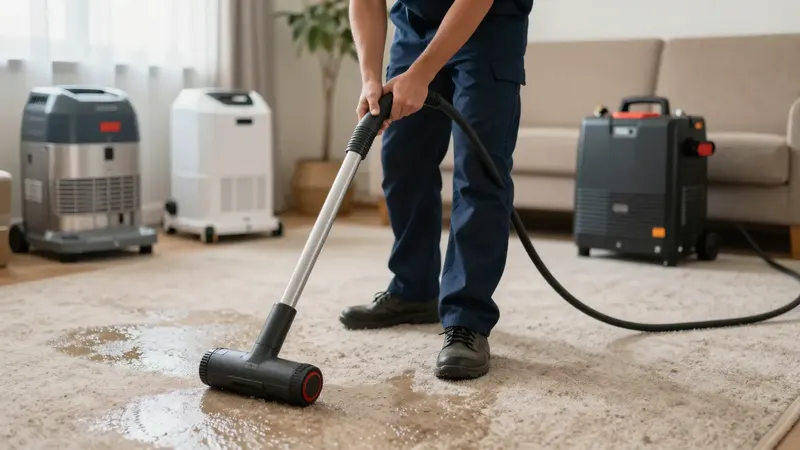
Searching for water damage restoration in Alpharetta usually means you need someone to stop the spread, extract water and dry the structure correctly. Our pages on water extraction and burst pipe water damage explain what contractors commonly do.
Federal disaster declarations that included Fulton County
FEMA records show Fulton County was included in 7 major disaster declarations for weather or fire events from 2000 through 2026 (3 hurricane, 3 severe storm, 1 severe ice storm, by FEMA incident type). Declarations are made at the county level, so they do not mean every neighborhood in Alpharetta was affected. The most recent:
- 2024 – Hurricane Helene (DR-4830)
- 2017 – Hurricane Irma (DR-4338)
- 2014 – Severe Winter Storm (DR-4165)
- 2009 – Severe Storms and Flooding (DR-1858)
- 2008 – Severe Storms and Tornadoes (DR-1750)
- 2004 – Hurricane Ivan (DR-1554)
Source: OpenFEMA Disaster Declarations Summaries, retrieved 2026-10-10. Counts include major disaster (DR) declarations with hurricane, flood, severe storm, tropical storm, fire, tornado, coastal storm, winter or ice storm, mudslide and dam/levee incident types.
Water, fire or storm damage in Alpharetta?
Call (866) 937-3230 and tell us what happened at your Alpharetta property.
Smoke and fire damage in suburban houses
Kitchen fires, dryer vents and electrical problems account for many residential fires. In open floor plans, smoke can move freely through the home, leaving soot film on ceilings, cabinets and electronics in rooms the fire never touched.
A reputable restoration company will usually assess which materials can be cleaned, remove what cannot, clean the HVAC system and use odor-control methods that neutralize smoke particles. Find more on fire damage cleanup and smoke odor removal.
Severe weather and storm water cleanup
Spring thunderstorms, tropical remnants and winter ice can all damage homes here. Wind and ice bring down limbs onto roofs, and intense rain can overwhelm gutters, window wells and basement drains on sloped lots. Low ground near creeks and wetlands is the first to collect runoff.
Assume outdoor floodwater is contaminated. Contractors offering storm water damage restoration generally tarp openings, pump out water, remove saturated materials and sanitize, while basement flood cleanup focuses on below-grade spaces.
Mold remediation and indoor humidity
Georgia summers keep indoor humidity high, especially in basements and closets on exterior walls. When a leak goes unnoticed behind a vanity or under a dishwasher, mold can spread across drywall and subfloor before it is visible.
EPA guidance suggests homeowners can usually handle mold under about 10 square feet; beyond that, or if anyone has health concerns, hire a professional. Ask a mold removal contractor about containment, HEPA filtration and how they will verify the job is complete.
Immediate steps for Alpharetta homeowners
- Call 911 for fire, smoke, gas odor, sparking wiring or injuries.
- Turn off the main water valve, and switch off power to wet areas only if it is safe.
- Report broken water mains to your water provider; the city's website directs water and sewer billing to Fulton County.
- Document damage with photos before cleanup and save receipts.
- Notify your insurance company; coverage depends on your specific policy.
Check whether Georgia or the city requires a license for the work, and get a written estimate before signing. Browse our Georgia service areas for nearby coverage.
Neighborhoods and nearby communities
Areas in and around Alpharetta that callers often mention include:
- Downtown Alpharetta
- Avalon
Nearby communities with their own pages (straight-line distance from Alpharetta):
Alpharetta restoration FAQs
Does Big Creek flood homes in Alpharetta?
Big Creek and its wetlands collect runoff during heavy rain, so properties on low ground nearby are more exposed. Look up your address on FEMA flood maps and ask your agent about flood coverage. Keep gutters and grading directing water away from your foundation.
Who supplies water to Alpharetta homes?
The city's services page directs water and sewer billing to Fulton County. For a break in a public main or meter, contact your water provider through its website. Leaks inside your home are your responsibility to address.
Is a slow leak in a newer home really a big deal?
Yes. Modern drywall and engineered wood absorb water quickly, and humid summers help mold start within a couple of days. A moisture meter check can reveal how far water has traveled.
How do I get help after water or fire damage?
Call (866) 937-3230 and we will try to refer you to an independent contractor that serves the area. We do not perform any work ourselves, and the contractor sets their own timing and price.
Restoration guides
- Water Extraction
- Burst Pipe Water Damage
- Storm Water Damage Restoration
- Basement Flood Cleanup
- Mold Removal
- Smoke Odor Removal