
Longview is the Gregg County seat, with a small slice of its east side reaching into Harrison County. At about 289 feet of elevation and just north of the Sabine River, it averages a little over 48 inches of precipitation spread across roughly 89 days a year. Recorded temperatures have swung from 5 below zero to 113 degrees, a range that is hard on roofs and plumbing alike.
Fire & Water Energy refers callers; it does not repair homes. Call (866) 937-3230 and we will try to reach an independent restoration contractor that serves Longview, Kilgore, White Oak and the surrounding area; availability depends on those businesses. Our how it works page and referral disclosure lay out what we do and do not do.
Ice, wind and heavy rain in Gregg County
Gregg County's FEMA major disaster history since 2000 begins with a Severe Winter Ice Storm declaration in 2001 and includes the 2021 Severe Winter Storms. It also covers Hurricane Rita (2005), Hurricane Ike (2008) and Hurricane Beryl (2024), which reached this far inland, plus severe storms, tornadoes and flooding in 2016 and wildfire declarations in 2006 and 2011.
Snow is light, averaging under an inch a year, so the bigger winter threat is freezing rain that coats trees and lines. Heavy rain spread across the year keeps gutters, flat roofs and low-lying yards under steady pressure.
Water damage repair for frozen pipes, roof leaks and plumbing
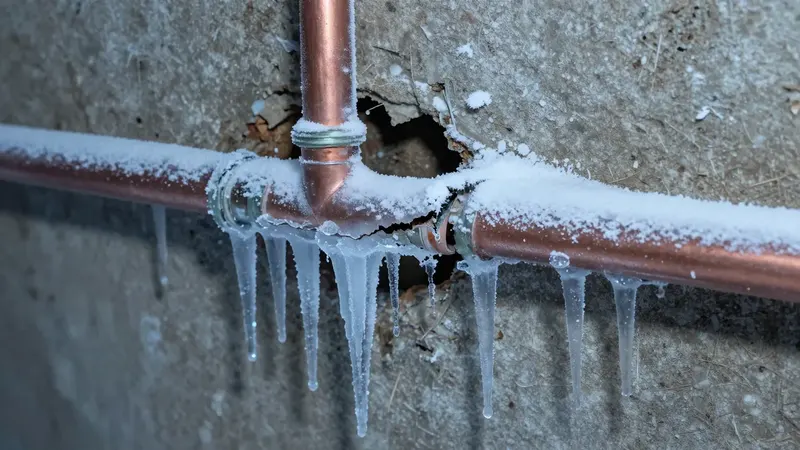
When temperatures drop well below freezing, as in 2001 and 2021, unheated crawl spaces, exterior walls and attic piping are the most likely places for lines to split, and the leak often shows up only after the thaw. During wet stretches, worn shingles and flashing let water into attics and ceilings.
For water damage restoration in Longview, a contractor commonly shuts off the source, extracts water, checks moisture in subfloors and walls, and dries the building with air movers and dehumidifiers. See our explanations of burst pipe water damage and ceiling water damage repair.
Federal disaster declarations that included Gregg County
FEMA records show Gregg County was included in 8 major disaster declarations for weather or fire events from 2000 through 2026 (3 hurricane, 2 severe ice storm, 2 fire, 1 flood, by FEMA incident type). Declarations are made at the county level, so they do not mean every neighborhood in Longview was affected. The most recent:
- 2024 – Hurricane Beryl (DR-4798)
- 2021 – Severe Winter Storms (DR-4586)
- 2016 – Severe Storms, Tornadoes, and Flooding (DR-4266)
- 2011 – Wildfires (DR-4029)
- 2008 – Hurricane Ike (DR-1791)
- 2006 – Extreme Wildfire Threat (DR-1624)
Source: OpenFEMA Disaster Declarations Summaries, retrieved 2026-10-10. Counts include major disaster (DR) declarations with hurricane, flood, severe storm, tropical storm, fire, tornado, coastal storm, winter or ice storm, mudslide and dam/levee incident types.
Water, fire or storm damage in Longview?
Call (866) 937-3230 and tell us what happened at your Longview property.
Smoke and fire damage in an older East Texas city
Longview has its own history with fire: the Mobberly Hotel near the old train depot burned in June 1965. Today, residential fires most often start with cooking, heating equipment in cold snaps or electrical problems. Gregg County was also included in the 2011 Wildfires declaration.
A restoration contractor typically secures openings, removes unsalvageable material, tests soot type, cleans walls and contents and works on odor in the structure and ductwork. Our fire damage cleanup and smoke odor removal pages explain the work.
Storm and flood cleanup near the Sabine
Thunderstorms, inland tropical remnants and tornado-producing systems can bring both wind damage and rising water. Floodwater from outside is assumed to be contaminated, so contractors remove soaked flooring, insulation and lower drywall, then sanitize and dry the framing.
Ice storms and high winds often drop limbs on roofs, leaving openings that need tarps before interior drying can begin. Learn more about storm damage cleanup and flood cleanup.
Mold concerns in a wet, humid climate
Nearly four feet of rain a year and warm, sticky summers mean moisture problems can turn into mold fast, particularly in crawl spaces, closets and behind cabinets. Post-storm outages that shut off air conditioning make it worse.
The EPA notes that a homeowner can often handle mold covering less than about 10 square feet once the leak is fixed. Larger areas, mold after flooding or growth inside HVAC systems usually call for mold remediation.
Staying safe before help arrives in Longview
- Call 911 for fire, injuries, gas odors or lines down on your property.
- Register for Smart911 notifications through the City of Longview emergency alerts page to get voice, text or email warnings.
- Do not cross flooded roads or step into water near electrical panels.
- Close the main valve for a broken line and open faucets to relieve pressure.
- Photograph every affected area before cleanup. Ice, wind, flood and plumbing losses may be treated differently, so ask your insurer or agent about your policy.
Neighborhoods and nearby communities
Areas in and around Longview that callers often mention include:
- Downtown Longview
- Greggton
- Spring Hill
Nearby communities with their own pages (straight-line distance from Longview):
- Marshall · 22 mi
- Tyler · 34 mi
- Shreveport, LA · 58 mi
- Bossier City, LA · 59 mi
- Nacogdoches · 62 mi
- Texarkana · 75 mi
Longview restoration FAQs
Are ice storms a bigger risk than snow in Longview?
Usually, yes. Snowfall averages less than an inch a year, but Gregg County was included in FEMA declarations for a 2001 winter ice storm and the 2021 Severe Winter Storms. Ice brings down limbs and power, and freezing temperatures split pipes.
How do I get emergency alerts in Longview?
The city uses Smart911 through a partnership with the East Texas Council of Governments. You can sign up for calls, texts or emails about severe weather and local emergencies.
Can hurricanes really affect a city this far inland?
They can. Gregg County was part of FEMA declarations for Hurricanes Rita, Ike and Beryl, usually because of wind, downed trees and heavy rain rather than surge.
What should I check after a hard freeze?
Look for water stains, low water pressure or the sound of running water once temperatures rise. Crawl spaces and exterior walls are common trouble spots.
Will someone from Fire & Water Energy come inspect my home?
No. We are a referral service only. When you call (866) 937-3230, we try to connect you with an independent contractor, who handles any inspection and work directly.
Restoration guides
- Burst Pipe Water Damage
- Ceiling Water Damage Repair
- Storm Damage Cleanup
- Flood Cleanup
- Fire Damage Cleanup
- Mold Remediation