
Nacogdoches grew up just north of the spot where LaNana and Banita creeks meet, at about 331 feet in the East Texas pines, with Lake Nacogdoches roughly 10 miles west. Historic landmarks such as the Old Stone Fort and the Adolph Stern House anchor the downtown area, and Lufkin is about 19 miles away.
Fire & Water Energy is a referral service, so we do not repair homes ourselves. Call (866) 937-3230 and we will try to connect you with an independent restoration contractor serving Nacogdoches and the surrounding county. Availability depends on the providers working locally at the time. The how it works page and our referral disclosure describe the process.
Tornadoes, deep freezes and inland hurricanes
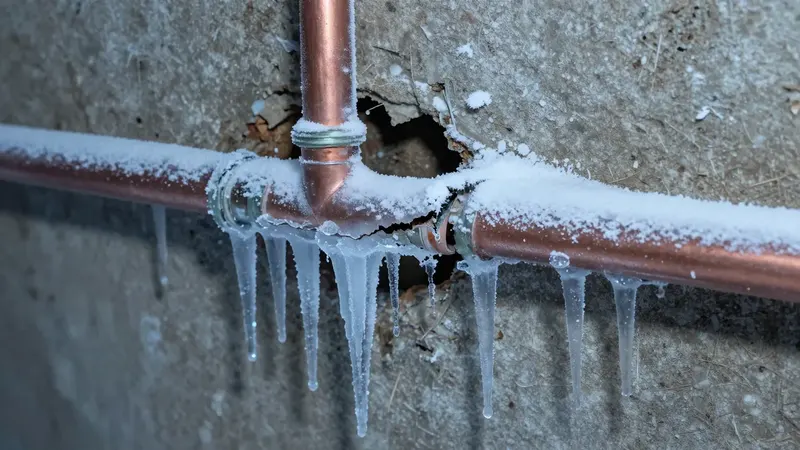
The 1946 tornado, estimated at F4 strength, injured about 200 people in addition to the ten killed. Cold can be just as damaging: snow is almost unheard of, averaging a tenth of an inch a year, yet the 2021 winter storm drove temperatures to minus 3 degrees and froze plumbing that was never built for it.
Hurricanes reach this far inland too. During Rita in 2005, Nacogdoches served as the north end of the Highway 59 contraflow evacuation route. Nacogdoches County's federal disaster declarations since 2000 include Tropical Storm Allison (2001), a Severe Winter Ice Storm (2001), Rita (2005), Ike (2008), severe storms in 2015 and 2024, the 2021 Severe Winter Storms and Hurricane Beryl (2024).
Burst pipes, roof leaks and other water damage
Nacogdoches averages nearly 50 inches of precipitation a year, with May usually the wettest month. That keeps roofs, gutters and crawlspaces under steady stress, and pine limbs dropped by storms can open a roof to the rain. Because hard freezes are rare, pipes in crawlspaces, attics and exterior walls are often unprotected, which is why the 2021 cold snap caused so many breaks.
When you need water damage restoration in Nacogdoches, a contractor will generally find and stop the source, extract water, measure moisture in floors and walls and dry the building with monitored equipment. Learn more on burst pipe water damage and water damage restoration.
Federal disaster declarations that included Nacogdoches County
FEMA records show Nacogdoches County was included in 9 major disaster declarations for weather or fire events from 2000 through 2026 (3 hurricane, 2 severe ice storm, 1 flood, 1 severe storm, 1 fire, 1 coastal storm, by FEMA incident type). Declarations are made at the county level, so they do not mean every neighborhood in Nacogdoches was affected. The most recent:
- 2024 – Hurricane Beryl (DR-4798)
- 2024 – Severe Storms, Straight-line Winds, Tornadoes, and Flooding (DR-4781)
- 2021 – Severe Winter Storms (DR-4586)
- 2015 – Severe Storms, Tornadoes, Straight-line Winds and Flooding (DR-4223)
- 2008 – Hurricane Ike (DR-1791)
- 2006 – Extreme Wildfire Threat (DR-1624)
Source: OpenFEMA Disaster Declarations Summaries, retrieved 2026-10-10. Counts include major disaster (DR) declarations with hurricane, flood, severe storm, tropical storm, fire, tornado, coastal storm, winter or ice storm, mudslide and dam/levee incident types.
Water, fire or storm damage in Nacogdoches?
Call (866) 937-3230 and tell us what happened at your Nacogdoches property.
Fire and smoke cleanup in an old East Texas town
Older buildings near downtown and wood-framed homes throughout the area can be hit hard by kitchen fires, space heaters during cold snaps and aging wiring. Nacogdoches County was also part of the 2006 Extreme Wildfire Threat declaration, when dry conditions raised fire danger across Texas.
A restoration company will usually secure the property, clear burned debris, clean soot with methods suited to the residue and deodorize the house and its ductwork. Find details on fire damage restoration and soot removal.
Storm damage, fallen pines and flood cleanup
Severe thunderstorms, tornadoes and the remnants of hurricanes can bring down trees and power lines throughout the county. A tree on the roof means tarping first, then removing soaked insulation, drywall and flooring underneath.
Runoff from heavy rain can also push into low-lying homes near the creeks. That water should be handled as contaminated, with wet materials removed, surfaces disinfected and the structure dried before rebuilding. Our storm damage cleanup and flood cleanup pages explain the typical steps.
Mold control in a warm, rainy climate
Summer highs in the low 90s combined with frequent rain create ideal conditions for mold. Damp crawlspaces, attics with roof leaks and walls behind burst pipes are the most common places it shows up, sometimes in as little as two days.
Per EPA guidance, homeowners can usually clean areas below about 10 square feet once the water problem is fixed. Larger patches, mold from floodwater or mold inside ducts should go to mold removal professionals who use containment.
Immediate steps for Nacogdoches residents
- Call 911 for fires, injuries, gas leaks or downed power lines.
- When a tornado warning is issued, shelter in a windowless inside room on the ground floor until it expires.
- Monitor watches and warnings from the National Weather Service in Shreveport, which reports conditions from Nacogdoches.
- Before a freeze, know where your water main is so you can shut it off quickly if a pipe bursts.
- Photograph the damage and hold on to every receipt.
- Coverage depends on your policy; ask your insurer or agent before starting major repairs.
Neighborhoods and nearby communities
Nearby communities with their own pages (straight-line distance from Nacogdoches):
Nacogdoches restoration FAQs
Has Nacogdoches been hit by a major tornado?
Yes. On January 4, 1946, a violent tornado estimated at F4 devastated part of the city, killing ten people and injuring about 200. Tornado warnings here should always be taken seriously, even in winter.
How cold does it get in Nacogdoches?
Snow is rare, but the record low of minus 3 degrees was set in 2021. Hard freezes like that can burst pipes in crawlspaces and attics that are not insulated.
What is the wettest time of year here?
May typically brings the most precipitation, and the city averages nearly 50 inches a year. Spring is a good time to check roofs, gutters and crawlspace drainage.
Can I get a referral for water or fire damage in Nacogdoches?
Phoning (866) 937-3230 starts the process: we look for an independent restoration firm that covers your part of the county. Availability can't be promised, because it rests with the local companies.
Restoration guides
- Burst Pipe Water Damage
- Water Damage Restoration
- Storm Damage Cleanup
- Flood Cleanup
- Fire Damage Restoration
- Mold Removal