
Vancouver faces Portland across the Columbia River, just west of where the Columbia River Gorge cuts through the Cascades. Homes range from Victorians and craftsman bungalows near downtown to wartime tract houses and ranch-style homes in the middle of the city, and each era brings its own plumbing, roofing and drainage quirks.
Fire & Water Energy works as a referral line for Clark County callers rather than as a restoration firm. Dial (866) 937-3230 and we'll try to put you in touch with an independent restoration contractor that works in Vancouver. Whether someone is available depends on local independent providers. The how it works page and the referral disclosure spell out how calls from the Columbia riverfront and beyond get handled.
Silver thaws, Gorge winds and a big river: what threatens Clark County homes
Wikipedia puts annual precipitation at roughly 37 to 42 inches, most of it between fall and spring, with rain largely shutting off from mid-June through September. Snow rarely sticks for long, but freezing rain is another story. These "silver thaw" storms glaze tree limbs and power lines, and an ice storm in 1916 knocked out electricity for almost two weeks. High pressure east of the Cascades can also funnel cold east winds down the Gorge.
The river has a long flood record, including June 1894 and the Memorial Day flood of May 1948, which nearly topped the Interstate Bridge piers and wiped out Vanport across the water. Wind and tornadoes matter too: the 1962 Columbus Day Storm, a deadly F3 tornado in 1972 and an EF1 on January 10, 2008 that ran from Vancouver Lake toward Hazel Dell. Clark County has been part of six FEMA major disaster declarations since 2000, most recently DR-4906 in 2026 for severe storms, straight-line winds, flooding, landslides and mudslides, plus others in 2024, 2016, 2009, 2007 and 2006.
Leaks, freezes and soaked crawlspaces: water damage restoration in Vancouver
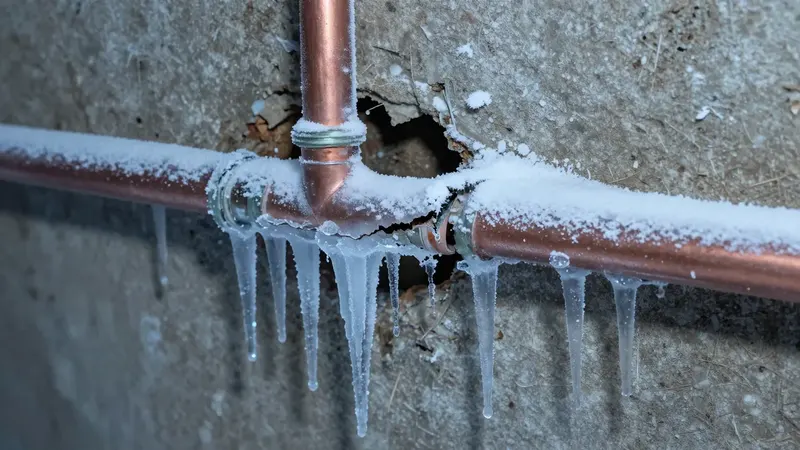
Months of steady rain find weak spots: tired roof flashing, clogged gutters, failing window seals and crawlspaces that collect runoff. When an east wind drops temperatures quickly, pipes in exterior walls, garages and unheated crawlspaces can freeze and split. Older downtown houses may still carry aging supply lines, while mid-century homes often hide leaks under floors and behind cabinets.
For water damage restoration, Vancouver homeowners can expect a reputable company to stop the source, pull out standing water, take moisture readings and set up drying equipment, then check progress until materials reach dry targets. Afterward, water damage repair covers replacing drywall, flooring and trim. Frozen-line breaks are covered on our burst pipe page.
Federal disaster declarations that included Clark County
FEMA records show Clark County was included in 6 major disaster declarations for weather or fire events from 2000 through 2026 (4 severe storm, 2 flood, by FEMA incident type). Declarations are made at the county level, so they do not mean every neighborhood in Vancouver was affected. The most recent:
- 2026 – Severe Storms, Straight-line Winds, Flooding, Landslides, and Mudslides (DR-4906)
- 2024 – Severe Winter Storms, Straight-line Winds, Flooding, Landslides, and Mudslides (DR-4775)
- 2016 – Severe Winter Storm, Straight-line Winds, Flooding, Landslides, Mudslides, and a T (DR-4253)
- 2009 – Severe Winter Storm and Record and Near Record Snow (DR-1825)
- 2007 – Severe Winter Storm, Landslides, and Mudslides (DR-1682)
- 2006 – Severe Storms, Flooding, Landslides, and Mudslides (DR-1671)
Source: OpenFEMA Disaster Declarations Summaries, retrieved 2026-10-10. Counts include major disaster (DR) declarations with hurricane, flood, severe storm, tropical storm, fire, tornado, coastal storm, winter or ice storm, mudslide and dam/levee incident types.
Water, fire or storm damage in Vancouver?
Call (866) 937-3230 and tell us what happened at your Vancouver property.
When fire or smoke gets inside
Winter outages from ice storms push many households toward space heaters, fireplaces and candles, all common starting points for house fires. Summer brings a different problem: the city's preparedness page warns that smoke from both nearby and distant wildfires can drift into the area and affect air quality.
After a fire, contractors commonly board up openings, remove debris, clean soot from surfaces and HVAC components, and treat lingering odor. See fire damage restoration and smoke damage cleanup for how that work usually unfolds. Firefighting water also soaks materials, so drying is often part of the job.
Rising water, fallen limbs and storm cleanup
The City of Vancouver lists flooding from heavy rain, snowmelt, overwhelmed drainage and saturated, shifting soil among its local hazards. Ice-laden branches and wind-thrown trees can puncture roofs and let rain pour into attics. Treat any floodwater that came in from outside as contaminated, and keep children and pets away from it.
Typical flood cleanup includes extraction, removal of soaked drywall and insulation, cleaning and disinfecting, then structured drying. For roof breaches, tarping and debris removal fall under storm damage cleanup.
Damp seasons and mold growth
With wet weather stretching across most of the year, wall cavities, crawlspaces and attics that stay damp give mold an easy foothold, often within a day or two of a leak. Musty smells near baseboards or around windows are an early sign. The EPA says a homeowner can usually handle a moldy patch smaller than about 10 square feet; bigger areas, or growth inside HVAC ducts, call for a professional.
Proper mold remediation means containment, removal of damaged porous materials, HEPA cleaning and fixing the moisture source so growth does not return.
First moves for Vancouver households after damage
- Call 911 for fire, gas odor, injuries or anyone trapped.
- If water is near outlets or the panel, keep clear and shut off power only if you can do it safely.
- Sign up for Clark Public Alerts and check the city's Be Ready Vancouver page.
- Photograph and video every affected room before anything is moved or thrown out, and keep receipts.
- Call your insurer or agent soon; coverage depends on your policy, and flood is often a separate policy.
Before hiring, check whether Washington or the city requires a license for the work, ask for written estimates, and confirm the company carries insurance.
Neighborhoods and nearby communities
Areas in and around Vancouver that callers often mention include:
- Downtown Vancouver
- Cascade Park
- Fruit Valley
- Fourth Plain Village
- Bagley Downs
- Ogden Meadows
- Burton Homes
- McLoughlin Heights
Nearby communities with their own pages (straight-line distance from Vancouver):
- Hazel Dell · 2 mi
- Salmon Creek · 5 mi
- Orchards · 5 mi
- Five Corners · 5 mi
- Portland, OR · 8 mi
- West Haven-Sylvan, OR · 10 mi
Vancouver restoration FAQs
What is a silver thaw, and why does it matter for my house?
It is a freezing-rain event that coats trees and power lines in ice. Heavy limbs can fall on roofs, and long outages can leave homes cold enough for pipes to freeze. After the ice melts, check the attic and ceilings for leaks.
Has the Columbia River flooded Vancouver before?
Yes. Major floods were recorded in June 1894 and May 1948, when the Memorial Day flood nearly reached the tops of the Interstate Bridge piers. Dams now regulate the river, but heavy rain and overwhelmed drainage can still flood low areas and basements.
How do I get emergency alerts in Clark County?
The City of Vancouver's preparedness page points residents to Clark Public Alerts for sign-up and to the Clark Regional Emergency Services Agency (CRESA) for updates. Registering ahead of storm season means warnings reach you without searching for them.
Is homeowners insurance going to pay for flood damage here?
Standard homeowners policies often exclude flooding from outside water, which is usually covered by a separate flood policy. Sudden pipe bursts are treated differently. What gets paid depends on your own policy wording, so ask your insurer or agent before assuming either way.
Can wildfire smoke damage a home in Vancouver?
The city's preparedness page notes smoke from distant fires can reach the area. Heavy smoke can leave odor in fabrics and residue in HVAC filters; a smoke damage contractor can assess whether cleaning is needed.
Restoration guides
- Water Damage Restoration
- Burst Pipe Water Damage
- Flood Cleanup
- Storm Damage Cleanup
- Mold Remediation
- Smoke Damage Cleanup