
Spokane is the county seat, set along the river where it tumbles over the falls and meets Latah Creek downtown. The city climbs from about 1,600 feet near Riverside State Park to roughly 2,600 feet near Hillyard, and it sits at the edge of the Channeled Scablands carved by ice-age floods. Many neighborhoods, from Browne's Addition to Hillyard, are filled with older homes.
We are a referral service: Fire & Water Energy does not do restoration work, but it can try to connect you with an independent restoration contractor serving the area. Call (866) 937-3230. Whether a provider is available depends on who operates locally. Read how it works and the referral disclosure.
Snow, subzero nights and fire weather on the Inland Northwest plateau
Sitting in the rain shadow of the Cascades, the city gets only about 16.5 inches of precipitation a year, yet it averages over 45 inches of snow. Temperatures have ranged from −30°F to 112°F, and on a couple of days in a typical year it drops to zero or below. That combination puts frozen plumbing, snow loads and ice dams near the top of the list.
The county has been included in five FEMA major disaster declarations since 2000: record and near-record snow in 2009 (DR-1825), severe storms with straight-line winds, flooding and landslides in 2016 (DR-4249), severe winter storms with flooding in 2017 (DR-4309), a severe winter storm with straight-line winds and flooding in 2021 (DR-4593), and wildfires in 2024 (DR-4759). Wikipedia notes that regional wildfires have grown larger and more frequent since the late 20th century.
Frozen lines and snowmelt leaks: water damage repair in Spokane
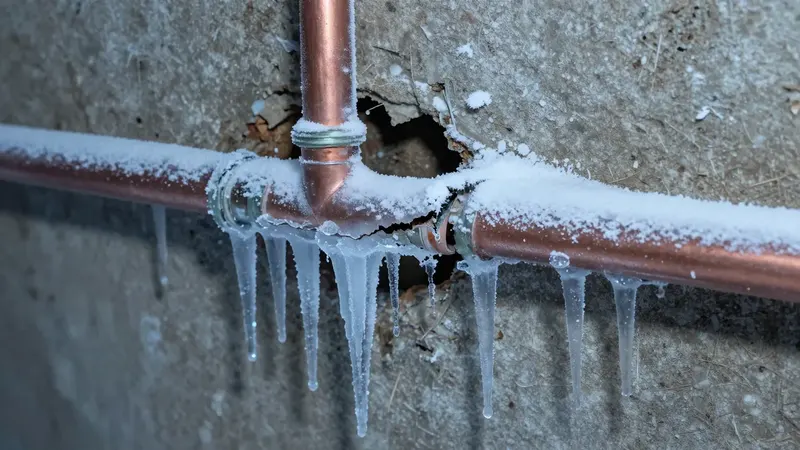
Cold is the big driver here. Pipes in exterior walls, crawlspaces and garages can freeze and split during a deep cold snap, and the damage often shows up only when things thaw. Heavy snow on roofs can form ice dams that push meltwater under shingles and into ceilings. Older bungalows, common in neighborhoods like Hillyard, North Hill and Bemiss, may have less insulation around plumbing.
For water damage restoration in Spokane, a typical contractor stops the leak, extracts water, checks moisture behind walls and under floors, and dries the structure with dehumidifiers and air movers before any rebuilding. More on burst pipe water damage, structural drying and ceiling water damage repair.
Federal disaster declarations that included Spokane County
FEMA records show Spokane County was included in 5 major disaster declarations for weather or fire events from 2000 through 2026 (3 severe storm, 1 fire, 1 flood, by FEMA incident type). Declarations are made at the county level, so they do not mean every neighborhood in Spokane was affected. The most recent:
- 2024 – Wildfires (DR-4759)
- 2021 – Severe Winter Storm, Straight-line Winds, Flooding, Landslides, and Mudslides (DR-4593)
- 2017 – Severe Winter Storms, Flooding, Landslides, Mudslides (DR-4309)
- 2016 – Severe Storms, Straight-line Winds, Flooding, Landslides, and Mudslides (DR-4249)
- 2009 – Severe Winter Storm and Record and Near Record Snow (DR-1825)
Source: OpenFEMA Disaster Declarations Summaries, retrieved 2026-10-10. Counts include major disaster (DR) declarations with hurricane, flood, severe storm, tropical storm, fire, tornado, coastal storm, winter or ice storm, mudslide and dam/levee incident types.
Water, fire or storm damage in Spokane?
Call (866) 937-3230 and tell us what happened at your Spokane property.
Wildfire smoke and the city's fire history
Fire is woven into local history. The Great Fire of August 4, 1889 destroyed 32 blocks of downtown after a pump problem left firefighters without water pressure. Today the larger concern for many households is smoke: Wikipedia notes that wildfire smoke can blanket the region in haze, and the county was part of a 2024 FEMA declaration for wildfires.
After a house fire, contractors commonly secure the building, remove charred debris, clean soot by surface type and run air scrubbers to handle odor. After a heavy smoke season, it's reasonable to change furnace filters and ask about residue in ducts and attics. See fire damage restoration and smoke odor removal.
River, runoff and winter storm cleanup
The river drains Lake Coeur d'Alene in Idaho and passes three dams within city limits, and floods in the 1890s wiped out every bridge under construction across it. Today, sudden thaws and winter rain on snow can overwhelm storm drains and send water into basements, and several of the county's declarations named flooding alongside winter storms and wind.
Water that comes from outdoors is generally treated as contaminated, so soaked carpet and drywall are typically removed. See basement flood cleanup and storm damage cleanup.
Mold after leaks in a dry climate
Dry summers don't prevent mold; hidden leaks do the work. A slow drip behind a wall, a basement that took on snowmelt, or a ceiling soaked by an ice dam can all grow mold within a day or two if not dried. Find and fix the moisture first.
EPA guidance says that mold under about 10 square feet can often be cleaned by a homeowner, while larger growth, mold in HVAC systems, or contamination from floodwater calls for a qualified professional. See mold remediation.
Spokane safety checklist before cleanup
- For fire, injuries, a gas smell or downed lines, call 911 and get everyone out.
- Shut off the main water valve if a pipe has burst, and avoid standing water near outlets or appliances.
- During cold snaps, keep heat on in vacant homes and let at-risk faucets drip.
- Follow instructions from local emergency officials during wildfire and winter storm events.
- Photograph everything before it's moved. Policies vary widely; your insurer or agent can explain what yours includes.
Neighborhoods and nearby communities
Areas in and around Spokane that callers often mention include:
- Riverside
- Browne's Addition
- Hillyard
- South Hill
- West Central
- East Central
- Logan
- Bemiss
- North Hill
- Kendall Yards
- Rockwood
- South Perry
Nearby communities with their own pages (straight-line distance from Spokane):
Spokane restoration FAQs
How cold does Spokane get, and should I worry about pipes?
The record low is 30 below zero, and most winters include at least a day or two at or below 0 degrees. Pipes in exterior walls, garages and crawlspaces are the most vulnerable. Insulate them and keep the heat on during cold snaps.
Why do ice dams cause so many ceiling leaks here?
With more than 45 inches of snow in an average year, roofs carry snow for long stretches. Heat escaping through the attic melts the underside, and that water refreezes at the eaves, backing up under shingles. Better attic insulation and ventilation help prevent it.
Does Spokane get wildfire smoke even when fires are far away?
Yes. Smoke from regional wildfires can settle over the area as a haze, and the county was part of a 2024 FEMA wildfire declaration. Swap HVAC filters after smoky periods and ask a contractor about cleaning if odor or residue lingers.
Are older Spokane homes more at risk?
Many neighborhoods are full of historic bungalows and Craftsman-era houses, and older homes like these can have older plumbing and less insulation. That doesn't mean damage is certain, but it's worth checking pipes and roofs before winter.
Can you refer contractors in Spokane Valley or Cheney?
We try to connect callers with independent contractors in the wider area, including Spokane Valley, Mead, Cheney and Liberty Lake. Call (866) 937-3230; availability depends on local providers.
Restoration guides
- Burst Pipe Water Damage
- Ceiling Water Damage Repair
- Structural Drying
- Smoke Odor Removal
- Fire Damage Restoration
- Basement Flood Cleanup