
Tucker is one of DeKalb County's newest cities, incorporated after a 2015 vote, but the community dates to the 1820s and took its name from a railroad official when trains arrived in 1892. It sits roughly 15 miles northeast of downtown Atlanta, along the Eastern Continental Divide, and more than a dozen creeks begin within its borders.
Got water on the floor, smoke in the house or a storm-damaged roof? Ring (866) 937-3230. As a referral service, Fire & Water Energy tries to pair you with an independent restoration contractor that works in Tucker; we don't send crews or set prices. The how it works page and referral disclosure lay out the details.
Headwater creeks, a continental divide and DeKalb's storm record
At around 1,120 feet, Tucker is the high point on the old rail line between Atlanta and Richmond. Rain falling on its west side drains toward the Chattahoochee River, while the east side drains toward the Ocmulgee. Burnt Fork Creek, South Fork Peachtree Creek, Camp Creek and Henderson Mill Creek all start here, so small channels wind behind many backyards.
The climate is humid subtropical, yet extremes do happen: the area's record low is −10°F, set on January 21, 1985. FEMA declarations covering DeKalb County since 2000 include the Severe Winter Storm of 2000, Hurricane Ivan (2004), severe storms and tornadoes (2008), severe storms and flooding (2009), and Hurricane Irma (2017).
Split-levels, daylight basements and indoor water damage
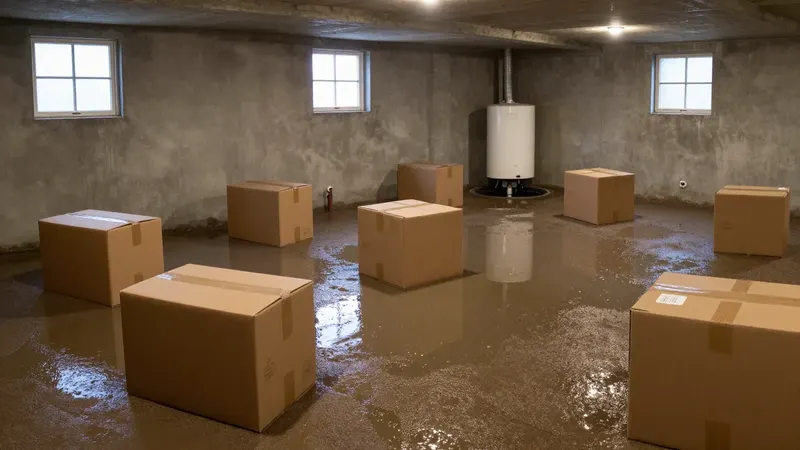
Sixty-year-old homes may have original copper or galvanized lines, aging water heaters and drains that have never been scoped. Daylight basements add their own risks: a failed sump, a clogged exterior drain or saturated soil against a foundation wall can let water into finished rooms. A deep freeze can split exposed pipes in garages and crawlspaces.
Companies offering water damage restoration in Tucker typically locate the source, extract water, check wall cavities and subfloors with meters and dry the space before rebuilding. Relevant pages: basement flood cleanup and structural drying.
Federal disaster declarations that included DeKalb County
FEMA records show DeKalb County was included in 5 major disaster declarations for weather or fire events from 2000 through 2026 (3 severe storm, 2 hurricane, by FEMA incident type). Declarations are made at the county level, so they do not mean every neighborhood in Tucker was affected. The most recent:
- 2017 – Hurricane Irma (DR-4338)
- 2009 – Severe Storms and Flooding (DR-1858)
- 2008 – Severe Storms and Tornadoes (DR-1750)
- 2004 – Hurricane Ivan (DR-1554)
- 2000 – Severe Winter Storm (DR-1311)
Source: OpenFEMA Disaster Declarations Summaries, retrieved 2026-10-10. Counts include major disaster (DR) declarations with hurricane, flood, severe storm, tropical storm, fire, tornado, coastal storm, winter or ice storm, mudslide and dam/levee incident types.
Water, fire or storm damage in Tucker?
Call (866) 937-3230 and tell us what happened at your Tucker property.
Fire, soot and odor cleanup
In houses built decades ago, older wiring, crowded outlets and space heaters during cold snaps add to the usual risk from cooking and dryers. Smoke tends to rise through split-level stairways and settle in upper rooms and closets.
A capable fire restoration contractor will generally board up and stabilize, remove debris, clean soot from surfaces and contents, and deodorize ducts. Read about fire damage cleanup and soot removal for the full picture.
Runoff, rising creeks and storm cleanup
Because so many creeks start in Tucker, intense rain can quickly fill small channels and send runoff across low yards toward basement doors. Tropical remnants and spring storms, like those behind the 2004 and 2009 declarations, also bring down limbs from mature hardwoods.
For storm damage cleanup or flood damage restoration, contractors usually tarp roofs, tear out soaked materials, sanitize affected areas and dry the structure. Treat creek or surface water that entered the house as contaminated.
Mold in basements and lower levels
Below-grade rooms stay cooler and damper than the rest of the house, which gives mold a head start after any leak, especially in humid summer months. Carpet over slab, paneling and the bottom of drywall are common trouble spots.
EPA guidance recommends trained professionals for growth larger than about 10 square feet. A reliable mold remediation job sets up containment, removes affected materials and corrects the water problem.
What Tucker residents should do first
- Call 911 for fire, injury, a gas smell or rising water you cannot escape.
- Do not enter a flooded basement while the power is on; stay clear of downed lines.
- Report drainage and right-of-way problems through the city's public works request form on the City of Tucker website.
- Photograph damage before removing anything and save receipts for supplies.
- Call your insurer or agent. What is covered depends on your policy, and groundwater or flood damage is often excluded without separate coverage.
Neighborhoods and nearby communities
Areas in and around Tucker that callers often mention include:
- Main Street / Old Town Tucker
- Northlake
- Smoke Rise
Nearby communities with their own pages (straight-line distance from Tucker):
Tucker restoration FAQs
Why do so many Tucker homes have basement water problems?
Many houses built in the 1970s and 1980s have daylight basements, and the 1960s and 1970s split-levels have partly below-grade rooms. Grading, gutters, sump pumps and foundation drainage all matter, so check them before the wet season.
Which creeks run through Tucker?
More than a dozen creeks begin in the city, including Burnt Fork Creek, South Fork Peachtree Creek, Camp Creek and Henderson Mill Creek. Check FEMA flood maps for your address if you live near one.
Do pipes freeze here?
It is uncommon but possible. The area's record low is minus 10 degrees Fahrenheit, set in January 1985, and DeKalb County was part of a FEMA winter storm declaration in 2000, so insulate pipes in crawlspaces and garages.
Will Fire & Water Energy pump out my Tucker basement?
No. We only make referrals, so the pumping, drying and repairs would be done by an independent contractor if one is available, under terms you settle with that company.
Restoration guides
- Basement Flood Cleanup
- Structural Drying
- Flood Damage Restoration
- Storm Damage Cleanup
- Fire Damage Cleanup
- Mold Remediation