
Covington has been the seat of Newton County since the 1820s, and it kept several antebellum houses even after Sherman's troops passed through in 1864. Its courthouse square and tree-lined streets have appeared in many films and TV productions, from My Cousin Vinny to The Vampire Diaries. Today the city of about 14,000 people sits just south of Interstate 20, some 35 miles east of downtown Atlanta.
When a pipe bursts, a storm damages your roof or a fire leaves soot behind, you can call (866) 937-3230. Fire & Water Energy works only as a referral line for Newton County callers: we try to connect you with an independent restoration contractor serving Covington; we do not perform the work, and each company sets its own availability and terms. Our process page and referral disclosure explain the rest.
Newton County's record of storms, ice and flooding
Newton County has appeared in eight FEMA major disaster declarations since 2000. Among them are severe winter storms in 2000 (DR-1311) and 2014 (DR-4165), severe storms and flooding in 2009 (DR-1858) and 2016 (DR-4259), the 2011 outbreak of severe storms, tornadoes, straight-line winds and flooding (DR-1973), a 2023 round of severe storms, straight-line winds and tornadoes (DR-4685), Hurricane Irma in 2017 (DR-4338) and Hurricane Helene in 2024 (DR-4830).
The climate explains the variety. Covington averages about 48.4 inches of precipitation a year, January lows hover near freezing, and the record low is minus 10 degrees. The city participates in the National Flood Insurance Program, and a new Flood Insurance Study for the city and county was completed in 2014 and the city identifies A and AE flood hazard zones.
Repairing leaks in historic and newer houses
Homes in the Covington Historic District and North Covington Historic District can have old plumbing, plaster walls and wood floors that react differently to water than modern drywall and laminate. Newer houses near the interstate are more likely to see failed supply hoses, water heater leaks and condensate overflows from attic air handlers. On the rare nights that drop well below freezing, pipes in crawlspaces and exterior walls are vulnerable.
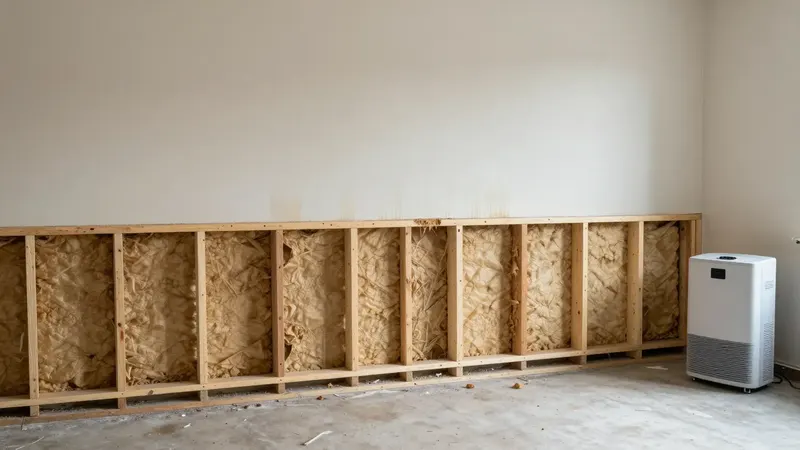
If you need water damage restoration in Covington, a typical contractor will find and stop the leak, extract water, check hidden moisture with meters and thermal cameras, and dry the structure before repairs. Both water damage repair and structural drying are covered in more depth on our service pages.
Federal disaster declarations that included Newton County
FEMA records show Newton County was included in 8 major disaster declarations for weather or fire events from 2000 through 2026 (5 severe storm, 2 hurricane, 1 severe ice storm, by FEMA incident type). Declarations are made at the county level, so they do not mean every neighborhood in Covington was affected. The most recent:
- 2024 – Hurricane Helene (DR-4830)
- 2023 – Severe Storms, Straight-line Winds, and Tornadoes (DR-4685)
- 2017 – Hurricane Irma (DR-4338)
- 2016 – Severe Storms and Flooding (DR-4259)
- 2014 – Severe Winter Storm (DR-4165)
- 2011 – Severe Storms, Tornadoes, Straight-line Winds, and Associated Flooding (DR-1973)
Source: OpenFEMA Disaster Declarations Summaries, retrieved 2026-10-10. Counts include major disaster (DR) declarations with hurricane, flood, severe storm, tropical storm, fire, tornado, coastal storm, winter or ice storm, mudslide and dam/levee incident types.
Water, fire or storm damage in Covington?
Call (866) 937-3230 and tell us what happened at your Covington property.
Cleaning up smoke and fire damage
Older homes with original wiring, fireplaces and space heaters used during outages carry their own fire risks, while kitchen fires remain common everywhere. Even when firefighters contain the flames quickly, soot and odor tend to spread through hallways and ductwork.
Fire restoration contractors commonly secure the building, document damage for the claim, remove ruined materials and clean soot from walls, ceilings and contents. For historic finishes, ask whether the company has experience with plaster and original woodwork. More at fire damage restoration and soot removal.
Flash floods, tornadoes and storm cleanup
The city's flood guidance warns that creeks, streams and storm drains can rise quickly during heavy rain, and it notes that standard homeowners insurance typically does not cover flooding. Tornado and straight-line wind events like those in 2011 and 2023 can bring trees down on roofs and open homes to rain.
Treat floodwater as contaminated. Contractors offering flood damage restoration and storm damage cleanup usually tarp openings, remove soaked flooring and insulation, sanitize affected areas and dry the framing.
Why mold moves fast here
Hot, humid Georgia summers, with July highs averaging around 90 degrees, give mold the warmth and moisture it needs. Wet materials left more than a day or two can begin to grow it, especially in crawlspaces and closed-up rooms.
The EPA says areas larger than about 10 square feet generally call for a trained professional. A qualified mold removal contractor will contain the work area, use HEPA filtration, remove what can't be cleaned and address the moisture source so growth doesn't return.
A short checklist for Covington households
- Call 911 for fire, smoke, gas odors, injuries or downed lines.
- Covington Utilities supplies electric, water and natural gas service inside the city; check the outage map or the city website to report problems.
- Turn off the main water valve for a burst pipe and stay clear of electrical outlets in wet rooms.
- Look up your flood zone through the city's FEMA flood information page.
- Take pictures of every damaged room before tearing anything out, and hold on to receipts. Coverage depends on your policy, so confirm details with your insurer or agent.
Neighborhoods and nearby communities
Areas in and around Covington that callers often mention include:
- Covington Historic District
- North Covington Historic District
Nearby communities with their own pages (straight-line distance from Covington):
Covington restoration FAQs
Is my Covington home in a flood zone?
The city participates in the National Flood Insurance Program and has A and AE zones mapped from a 2014 Flood Insurance Study. You can view maps through FEMA's Flood Map Service Center or the City/County GIS office. Renters may also qualify for NFIP coverage.
Who restores power and gas after a storm in Covington?
Inside the city, Covington Utilities provides electric, water and natural gas service, and the city posts an outage map online. Homes outside city limits may have a different provider, so check your bill.
Can a contractor work on a house in one of Covington's historic districts?
Yes, but older materials such as plaster and original wood floors may need gentler drying and cleaning methods. Ask any contractor about experience with historic homes, and check with the city about any review requirements before major rebuilding.
Does Fire & Water Energy have a Covington office?
No. We are a phone-based referral service. Call (866) 937-3230 and we will try to connect you with an independent contractor that serves Newton County; that company sets its own schedule and pricing.
Restoration guides
- Water Damage Repair
- Structural Drying
- Flood Damage Restoration
- Storm Damage Cleanup
- Fire Damage Restoration
- Mold Removal