
Richmond wraps around the edge of San Francisco Bay and San Pablo Bay, from Point Richmond and Marina Bay up into the hills near Wildcat Canyon. Wikipedia credits the city with more waterfront than any other in the Bay Area, and its rainy season runs from late October into April.
Fire & Water Energy is set up to make referrals, not to do repairs. Dial (866) 937-3230 and we will try to steer you to an independent restoration contractor working in Richmond; whether one has room on their schedule is up to them. The how it works page and referral disclosure have more.
Shoreline, creeks and a history of shocks
San Pablo and Wildcat creeks drain the hills, and the southern parts of the city and the ridges pick up more fog than the north. Precipitation averages about 24.4 inches a year, with January and February wettest and brief hail most years. The 1989 Loma Prieta earthquake damaged many buildings, and on April 15, 2010, a sinkhole about 30 feet deep opened at El Portal Drive and Via Verdi.
Contra Costa County has been named in five FEMA major disaster declarations since 2000, including the 2006 storms (DR-1628), three 2017 winter storm declarations and the 2023 flooding and mudslide declaration (DR-4683).
Wartime and postwar homes and their plumbing
Richmond's population jumped from about 23,000 in 1940 to roughly 120,000 by 1945 as shipyards boomed, and a 4,000-unit housing project was finished in 1943. Most temporary housing came down by 1960, but neighborhoods such as Atchison Village and Parchester Village and many other mid-century streets still hold older houses with aging pipes, drains and roofs.
Restoration contractors in Richmond usually begin by stopping the leak, checking moisture with meters and infrared, removing wet materials and setting up dehumidifiers. When a fitting or old line gives way, burst pipe water damage work and water extraction often go together.
Federal disaster declarations that included Contra Costa County
FEMA records show Contra Costa County was included in 5 major disaster declarations for weather or fire events from 2000 through 2026 (3 flood, 2 severe storm, by FEMA incident type). Declarations are made at the county level, so they do not mean every neighborhood in Richmond was affected. The most recent:
- 2023 – Severe Winter Storms, Flooding, Landslides, and Mudslides (DR-4683)
- 2017 – Severe Winter Storms, Flooding, and Mudslides (DR-4308)
- 2017 – Severe Winter Storms, Flooding, and Mudslides (DR-4305)
- 2017 – Severe Winter Storms, Flooding, and Mudslides (DR-4301)
- 2006 – Severe Storms, Flooding, Mudslides, and Landslides (DR-1628)
Source: OpenFEMA Disaster Declarations Summaries, retrieved 2026-10-10. Counts include major disaster (DR) declarations with hurricane, flood, severe storm, tropical storm, fire, tornado, coastal storm, winter or ice storm, mudslide and dam/levee incident types.
Water, fire or storm damage in Richmond?
Call (866) 937-3230 and tell us what happened at your Richmond property.
Refinery smoke, house fires and residue
On August 6, 2012, a major fire at the Chevron refinery sent toxic smoke across the area; residents were told to shelter in place and nearly 15,000 people sought medical treatment. Events like that, plus kitchen and electrical fires, can leave a film of residue and a stubborn smell indoors.
Smoke damage cleanup generally involves cleaning walls, ceilings and contents with methods suited to each surface, plus replacing HVAC filters. A house fire may need full fire damage restoration, from board-up to rebuilding.
Winter storms, hillside runoff and bay-edge water
Stronger storms between November and March can bring three to nearly five inches of rain a month. Runoff from the hills and creeks heads toward low ground near the shoreline, and wind-driven rain finds gaps in older siding and windows.
Any water coming in from outdoors is presumed dirty. Flood cleanup typically includes extraction, removal of soaked materials, disinfection and drying, while storm water damage restoration addresses roof and window leaks after a blow.
Fog, damp air and mold
Frequent fog in southern neighborhoods and on the ridges keeps humidity up and slows drying. Bathrooms without fans, closets on exterior walls and crawl spaces are common trouble spots after a leak.
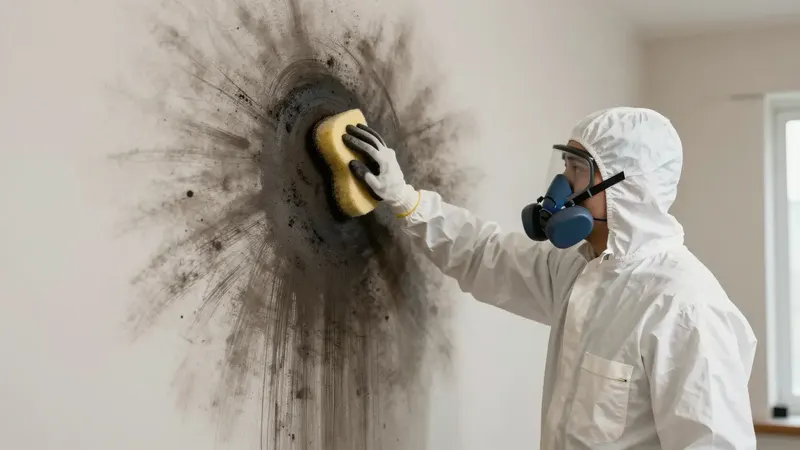
The EPA says a resident can usually tackle mold patches smaller than about 10 square feet with gloves and a mask. Larger areas, hidden growth or mold following sewage or flooding should go to mold remediation professionals who use containment.
Protecting your household in Richmond
- Call 911 for fire, gas odor, injuries or a damaged structure; leave if conditions look dangerous.
- If a shelter-in-place order is issued, close windows and doors and turn off ventilation fans.
- Register for alerts through the county's Community Warning System.
- Take dated photos of damage and keep repair invoices. Coverage depends on your policy; your insurer or agent can tell you what is needed for a claim.
Neighborhoods and nearby communities
Areas in and around Richmond that callers often mention include:
- Point Richmond
- Downtown Richmond
- Hilltop District
- Marina Bay
- Iron Triangle
- Country Club Vista
- Seacliff
- San Marcos
- Parchester Village
- Atchison Village
- North & East
- Hilltop Green
- Brickyard Cove
- Port Richmond
Nearby communities with their own pages (straight-line distance from Richmond):
- Berkeley · 6 mi
- Oakland · 10 mi
- San Francisco · 12 mi
- Alameda · 12 mi
- Vallejo · 13 mi
- Walnut Creek · 16 mi
Richmond restoration FAQs
What should I do during a shelter-in-place alert in Richmond?
Go indoors, close windows and doors, and shut off fans and HVAC that draw in outside air. The 2012 refinery fire led to a shelter-in-place order here. Follow instructions from the Contra Costa County Community Warning System.
When is the rainy season in Richmond?
Rain usually falls from late October through April, with January and February the wettest months and about 24.4 inches in a typical year. Strong storms are most common from November through March.
Do older Richmond homes have more water problems?
Houses from the wartime and postwar decades may have original galvanized pipes, aging drains and older roofs. Regular inspections can spot corrosion and slow leaks before they spread.
Can smoke damage a home without a fire inside it?
Yes. Smoke from an outside source can leave residue and odor on surfaces, fabrics and ductwork. Changing HVAC filters and professional cleaning may be needed after a major smoke event.
Is Fire & Water Energy a Richmond contractor?
No. We are a referral service; we try to connect you with an independent contractor serving Richmond, and that firm provides any estimate and repairs.
Restoration guides
- Smoke Damage Cleanup
- Fire Damage Restoration
- Burst Pipe Water Damage
- Water Extraction
- Storm Water Damage Restoration
- Mold Remediation