
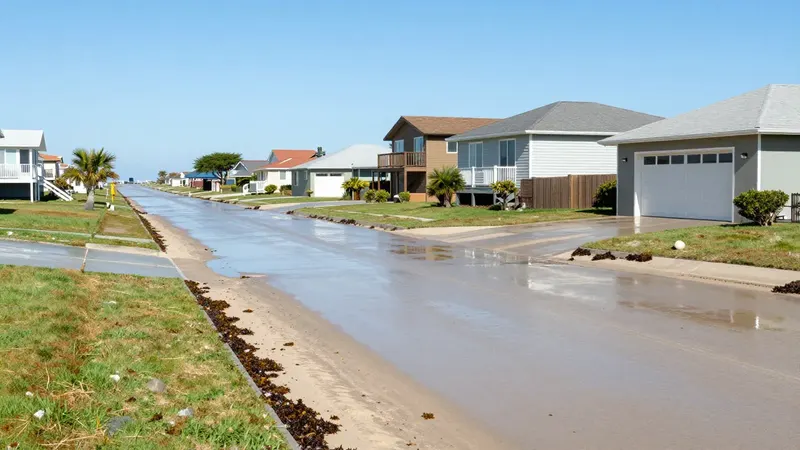
This East Bay city occupies a cluster of islands in San Francisco Bay. The main island became one when the Tidal Canal was dredged between 1874 and 1902, and Alameda Point, Bay Farm Island and South Shore were built largely on fill. Neighborhoods include the West End, East End, Gold Coast, Fernside, Harbor Bay and the Park Street historic district, all connected to Oakland by bridges and tubes.
Fire & Water Energy is a referral service that connects residents with independent restoration contractors; we do not do repairs. Call (866) 937-3230 and we will try to locate a provider working in Alameda, though availability depends on local companies. You can review the referral process and the disclosure before calling.
Living at sea level: groundwater, quakes and Bay storms
Wikipedia notes that sea-level and groundwater rise threaten the low-lying city's infrastructure, and that rising groundwater can saturate soils and increase liquefaction risk during earthquakes. The 1989 Loma Prieta earthquake damaged the old Carnegie library. The city's own preparedness program lists earthquakes, flooding and tsunamis among local hazards and publishes a tsunami inundation map.
Rain averages about 22 inches a year over roughly 66 rainy days, mostly November through March. Alameda County has been included in seven FEMA major disaster declarations since 2000, all tied to severe winter storms with flooding, including DR-4683 and DR-4699 in 2023. These are county-level and do not name affected streets.
Damp crawl spaces, plumbing failures and roof leaks
On an island with a high water table, crawl spaces and lower walls can stay damp, and a plumbing leak that would dry fairly fast inland may linger here. Common sources of interior water include failing supply lines, water heaters, sewer lateral backups during heavy rain and roof or window leaks driven by winter storms. Older buildings around the historic commercial core and nearby streets may have aging pipes worth inspecting.
For water damage restoration in Alameda, ask the contractor to confirm the source, check moisture in subfloors and crawl spaces, and set up structural drying until readings are normal. Sewage backups need separate handling; see sewage cleanup.
Federal disaster declarations that included Alameda County
FEMA records show Alameda County was included in 7 major disaster declarations for weather or fire events from 2000 through 2026 (4 severe storm, 3 flood, by FEMA incident type). Declarations are made at the county level, so they do not mean every neighborhood in Alameda was affected. The most recent:
- 2023 – Severe Winter Storms, Straight-line Winds, Flooding, Landslides, and Mudslides (DR-4699)
- 2023 – Severe Winter Storms, Flooding, Landslides, and Mudslides (DR-4683)
- 2017 – Severe Winter Storms, Flooding, and Mudslides (DR-4308)
- 2017 – Severe Winter Storms, Flooding, and Mudslides (DR-4305)
- 2017 – Severe Winter Storms, Flooding, and Mudslides (DR-4301)
- 2006 – Severe Storms, Flooding, Landslides, and Mudslides (DR-1646)
Source: OpenFEMA Disaster Declarations Summaries, retrieved 2026-10-10. Counts include major disaster (DR) declarations with hurricane, flood, severe storm, tropical storm, fire, tornado, coastal storm, winter or ice storm, mudslide and dam/levee incident types.
Water, fire or storm damage in Alameda?
Call (866) 937-3230 and tell us what happened at your Alameda property.
Fire, soot and smoke from across the region
The city's hazard list includes wildfire smoke, which can drift over the Bay during regional fires and seep into homes through vents and older windows. Indoors, cooking, electrical and dryer fires are the usual causes of soot. Densely built blocks mean a fire in one building can leave smoke residue in neighbors' homes too.
Smoke damage cleanup typically involves removing loose soot, cleaning surfaces with methods chosen for the residue type, treating odor and cleaning HVAC systems where present.
Shoreline flooding and storm cleanup
Low areas on fill, shoreline properties and homes with below-grade spaces are the most exposed when heavy rain coincides with high Bay water. Floodwater and backed-up storm drains should be treated as contaminated, since they may carry sewage and street runoff.
Flood cleanup usually includes pumping out water, removing wet drywall, insulation and flooring, disinfecting and drying. Wind damage and fallen trees from winter storms can call for storm damage cleanup as well.
Why mold grows easily on the island
Cool, wet winters with highs in the upper 50s, plus damp ground under many Alameda homes, slow drying considerably. Mold can show up on wet drywall, framing or carpet backing within a couple of days, and crawl spaces often hide it.
The EPA suggests homeowners can usually clean areas smaller than about 10 square feet. Larger patches, mold after floodwater or sewage, or growth in ductwork are generally handled by contractors using containment; see mold remediation.
First moves after damage on the island
- Call 911 for fire, gas leaks, electrical hazards or injuries.
- Sign up for AC Alert and review evacuation zones through the city's disaster preparedness page.
- Move to high ground if a tsunami warning is issued and follow official instructions.
- Close the main water valve and avoid electrical equipment in wet areas.
- Photograph damage and ask your insurer or agent what your policy covers; flood and earthquake coverage are often separate.
Neighborhoods and nearby communities
Areas in and around Alameda that callers often mention include:
- West End
- East End
- Gold Coast
- Central Alameda
- Fernside
- Harbor Bay
- South Shore
- Alameda Point
- Marina Village
- Bronze Coast
Nearby communities with their own pages (straight-line distance from Alameda):
Alameda restoration FAQs
Why is groundwater a concern for island homes?
Much of the city sits on bay fill near sea level, and Wikipedia notes that rising groundwater can saturate soils and raise liquefaction risk in earthquakes. High groundwater can also keep crawl spaces damp, so drying after a leak may take longer.
How do I get emergency alerts in Alameda?
The city's Fire Department, which runs local emergency management, encourages residents to sign up for AC Alert for city and county notifications. Its preparedness page also links to evacuation zone maps and tsunami information.
When does most rain fall here?
About 22 inches fall in a typical year, almost all between November and March. Checking gutters, roof flashing and yard drains in the fall is a good idea.
Do you send your own crew?
No. We only make referrals. Call (866) 937-3230 and we will try to connect you with an independent restoration contractor serving the area, depending on availability.
Restoration guides
- Water Damage Restoration
- Structural Drying
- Sewage Cleanup
- Smoke Damage Cleanup
- Flood Cleanup
- Mold Remediation