
The county seat lies in the Upper Valley, with the Yakima River flowing through town and the Naches River marking its northern edge. A 20-mile greenway of parks and paths follows both rivers, and nearby communities include Selah, Union Gap, Terrace Heights and West Valley.
Fire & Water Energy is a phone referral service, so the hands-on work is done by others. Call (866) 937-3230 and we'll try to connect you with an independent restoration contractor serving Yakima; whether one can take your job depends on independent firms in the valley. Read how it works and the referral disclosure to understand how calls from central Washington are routed.
Semi-arid valley, extreme temperatures and river flood risk
Wikipedia describes a cold semi-arid climate shaped by the Cascades rain shadow: just over 8 inches of precipitation a year and around 20 inches of snow. Summers are hot, with about 40 afternoons a year at 90°F or higher, and the city hit 113°F on June 29, 2021, during the Western North America heat wave. Winters can bite too; the record low is -25°F from February 1950, and freezes are possible from late September to mid-May.
The county appears in five FEMA major disaster declarations since 2000: wildfire declarations in 2015 (DR-4243, wildfires and mudslides) and 2021 (DR-4584), a 2009 winter storm and flooding declaration, 2009 record snow, and the 2026 severe storms and flooding declaration DR-4906. The city's emergency management office keeps flood safety information for Yakima and Union Gap.
Frozen lines, irrigation leaks and water damage restoration in Yakima
Dry air does not prevent water damage; most losses here start inside. Deep cold snaps freeze and split pipes in crawlspaces and exterior walls, water heaters fail, and evaporative coolers or AC lines leak during the long hot season. Snow loads and ice along roof edges can also force meltwater into ceilings.
For water damage restoration, a reputable contractor will usually shut off the source, extract standing water, record moisture readings and dry the structure before rebuilding. Low outdoor humidity can help drying, but hidden moisture in subfloors still needs measuring. Our burst pipe water damage page and the structural drying guide walk through that work.
Federal disaster declarations that included Yakima County
FEMA records show Yakima County was included in 5 major disaster declarations for weather or fire events from 2000 through 2026 (2 flood, 2 fire, 1 severe storm, by FEMA incident type). Declarations are made at the county level, so they do not mean every neighborhood in Yakima was affected. The most recent:
- 2026 – Severe Storms, Straight-line Winds, Flooding, Landslides, and Mudslides (DR-4906)
- 2021 – Wildfires and Straight-line Winds (DR-4584)
- 2015 – Wildfires and Mudslides (DR-4243)
- 2009 – Severe Winter Storm and Record and Near Record Snow (DR-1825)
- 2009 – Severe Winter Storm, Landslides, Mudslides, and Flooding (DR-1817)
Source: OpenFEMA Disaster Declarations Summaries, retrieved 2026-10-10. Counts include major disaster (DR) declarations with hurricane, flood, severe storm, tropical storm, fire, tornado, coastal storm, winter or ice storm, mudslide and dam/levee incident types.
Water, fire or storm damage in Yakima?
Call (866) 937-3230 and tell us what happened at your Yakima property.
Wildfire seasons and smoke inside the home
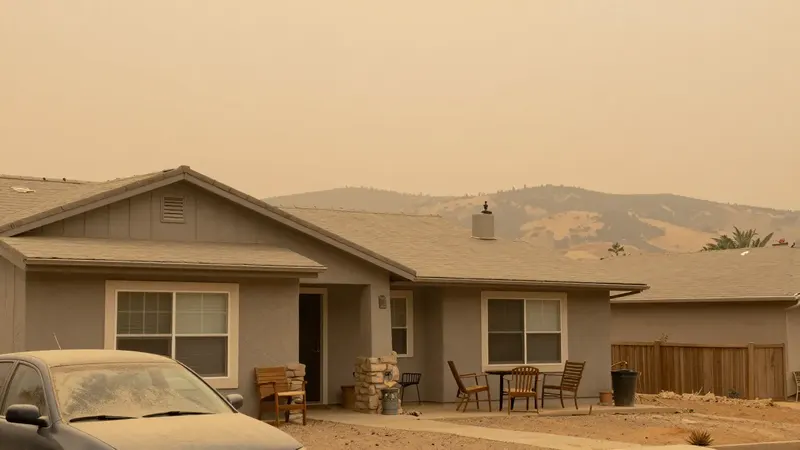
Two wildfire-related federal declarations in under a decade show how fire season affects the county. Hot, dry summers with occasional triple-digit days dry out brush on surrounding ridges, and smoke can settle into the valley. Indoors, smoke residue clings to fabrics, carpets, ductwork and attic insulation.
After a house fire or heavy smoke exposure, contractors commonly clean soot, run air scrubbers, deodorize and replace HVAC filters. Our smoke damage cleanup and fire damage cleanup pages give more detail.
Flash runoff, river flooding and storm damage
When fires strip vegetation from slopes, later rains can trigger mudslides, which is why the 2015 declaration listed both. Rivers rising with rain on snow, or intense storms on hard, dry ground, can push water and mud into low yards and basements. The city has also been upgrading parts of its stormwater system, including a 2026 project on South 7th Avenue.
Treat floodwater and mud from outside as contaminated. Flood cleanup covers extraction, mud removal, sanitizing and drying; storm damage cleanup covers roof and debris work.
Mold where you least expect it
Low outdoor humidity keeps everyday mold growth down, so when mold appears in a Yakima home it usually points to a specific leak: a slow drip behind a dishwasher, a frozen-pipe break in a wall, or a cooler that has been leaking onto the ceiling. Fix the water source first.
EPA guidance considers patches below about 10 square feet manageable for most homeowners with protective gear; larger or recurring growth calls for professional mold remediation.
What to do first after damage in Yakima
- Dial 911 for life-threatening emergencies, fire or gas odors, and follow evacuation orders during wildfires or floods.
- Review the city's emergency management page for flood, winter and power outage safety resources.
- If a pipe has burst, close the main valve and stay off wet floors near electrical outlets.
- Take dated photos of every wet or burned area and hold on to repair-related receipts.
- Call your insurer early; coverage depends on your policy, and floods from outside water typically need a separate flood policy.
Before hiring, check whether Washington requires a license for the work and request a written estimate.
Neighborhoods and nearby communities
Areas in and around Yakima that callers often mention include:
- Downtown Yakima
Nearby communities with their own pages (straight-line distance from Yakima):
- West Valley · 5 mi
- Ellensburg · 27 mi
- Sunnyside · 30 mi
- East Wenatchee · 57 mi
- Wenatchee · 57 mi
- West Richland · 58 mi
Yakima restoration FAQs
Does Yakima get cold enough for pipes to freeze?
Yes. Even with a dry climate, the city averages close to 19 days a year when the high stays at or below freezing, and the record low is -25°F. Insulate exposed pipes and keep crawlspace vents closed during cold snaps.
Where can I find flood safety information for Yakima?
The city's emergency management office, hosted on the fire department's website, links to flood safety information for the city and Union Gap. It also offers winter safety and power outage tips.
Can wildfire smoke damage my home even if the fire was miles away?
Fine smoke particles can enter through vents, windows and attic openings and leave odor and residue. Replace HVAC filters after heavy smoke events, and if odor lingers, a smoke damage contractor can assess cleaning needs.
Why did mudslides follow wildfires in this county?
Burned slopes lose the vegetation that holds soil, so later rain can wash mud downhill. FEMA's 2015 declaration for the county covered both wildfires and mudslides. Homes below burned hillsides should watch drainage closely.
Restoration guides
- Smoke Damage Cleanup
- Fire Damage Cleanup
- Burst Pipe Water Damage
- Structural Drying
- Flood Cleanup
- Mold Remediation