
Victorian storefronts and houses surround the 1911 courthouse, while Sun City Texas and other newer areas spread west along Williams Drive. The city's history also includes a deadly flood: in 1921, the remnants of a hurricane dumped more than 18 inches of rain on Georgetown and over 23 inches on nearby Taylor, and 156 people died.
When your home takes on water, smoke or storm damage, call (866) 937-3230. Fire & Water Energy's part ends at the referral: we try to find an independent restoration contractor that works in Georgetown, Round Rock, Hutto or Leander, but we have no crews and can't guarantee timing or availability. The how it works page and our referral disclosure describe the service.
Prairie, karst and the San Gabriel forks
The North and Middle Forks of the San Gabriel River both run through the city, with trails and parks along their banks. Lake Georgetown, created by an Army Corps of Engineers dam on the North Fork, opened in 1979. East of I-35 the land is flat Blackland Prairie with dark clay soils; to the west it turns into thin-soiled, karst limestone full of caves and sinkholes, including Inner Space Cavern. Rain runs off quickly on that rocky western side.
The area averages around 37 inches of rain a year and usually sees one or two ice storms each winter. FEMA has included Williamson County in declarations for Hurricane Rita (2005), the 2006 Extreme Wildfire Threat, storms with flooding in 2007, 2015 and 2025, the 2011 Wildfires, and winter storms in 2021 and 2023.
Ice storms, old plumbing and slab leaks
Georgetown's historic districts hold houses more than a century old, and if original plumbing, plaster or old wood floors remain, leaks can be harder to find and slower to dry. Newer homes east of the interstate sit on expansive prairie clay, which can shift slabs and stress pipes underneath. Across the city, the 2021 and 2023 winter storms brought burst pipes and ice-damaged roofs.
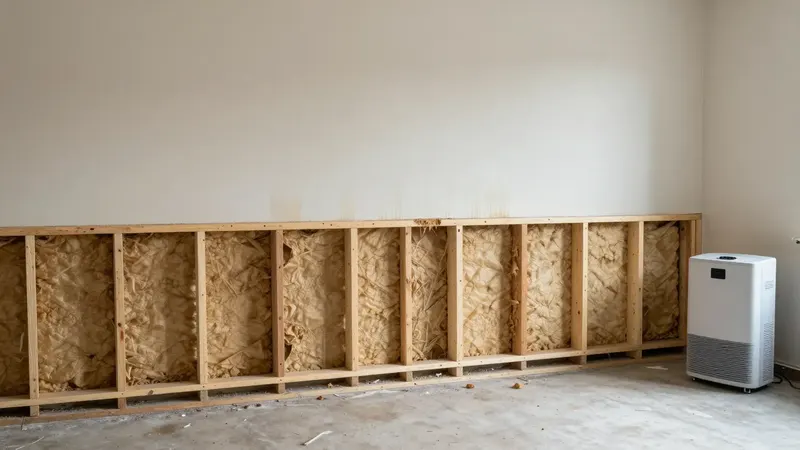
Water damage restoration in Georgetown generally follows the same arc: stop the water, extract it, map moisture behind walls and under floors, remove what can't be dried and run dehumidifiers. Older homes may need more careful handling of plaster and wood. Learn more about structural drying and burst pipe water damage.
Federal disaster declarations that included Williamson County
FEMA records show Williamson County was included in 8 major disaster declarations for weather or fire events from 2000 through 2026 (2 severe storm, 2 fire, 1 flood, 1 winter storm, 1 severe ice storm, 1 hurricane, by FEMA incident type). Declarations are made at the county level, so they do not mean every neighborhood in Georgetown was affected. The most recent:
- 2025 – Severe Storms, Straight-line Winds, and Flooding (DR-4879)
- 2023 – Severe Winter Storm (DR-4705)
- 2021 – Severe Winter Storms (DR-4586)
- 2015 – Severe Storms, Tornadoes, Straight-line Winds and Flooding (DR-4223)
- 2011 – Wildfires (DR-4029)
- 2007 – Severe Storms, Tornadoes, and Flooding (DR-1709)
Source: OpenFEMA Disaster Declarations Summaries, retrieved 2026-10-10. Counts include major disaster (DR) declarations with hurricane, flood, severe storm, tropical storm, fire, tornado, coastal storm, winter or ice storm, mudslide and dam/levee incident types.
Water, fire or storm damage in Georgetown?
Call (866) 937-3230 and tell us what happened at your Georgetown property.
Brush fire seasons and smoke in older houses
Dry summers on the Hill Country side and FEMA's 2011 Wildfires declaration for Williamson County are reminders that grass and brush fires happen here. Indoors, smoke from a kitchen or electrical fire can seep into the wood trim, floors and plaster of Victorian homes, where cleaning has to be gentle enough to avoid damaging historic finishes.
Contractors commonly evaluate which surfaces can be cleaned and which must be replaced, remove soot carefully, treat ductwork and deodorize. Our fire damage restoration page goes into more detail.
When the river and creeks flood
The 1921 disaster showed how fast the San Gabriel basin can flood when tropical moisture stalls over Central Texas. Today, heavy storms can still push water out of creeks and across low streets. Floodwater carries sewage and debris, so it is treated as Category 3 and handled with protective gear.
Restoration crews usually remove wet carpet and pad, cut out drywall above the water line, clean and disinfect and then dry. Wind and hail can damage roofs during the same storms, so tarping often comes first. For more, see the flood damage restoration and storm damage cleanup guides.
Mold concerns in historic and newer homes alike
Mold grows wherever wet materials stay damp for a day or two, and in this climate that often means inside walls behind showers and sinks, under floors after a slow leak, or in attics after an ice storm damages the roof. Older homes with plaster and wood framing can hide moisture longer.
The EPA's guidance is that homeowners can usually tackle mold covering less than about 10 square feet once the moisture source is fixed. Larger or hidden growth points to professional mold remediation.
Steps Georgetown residents should take right away
- Call 911 for fire, injuries, a gas smell or any downed line.
- Sign up for WarnCentralTexas to get regional emergency alerts for Williamson County by phone, text or email.
- Never drive into water covering a road, especially near river crossings.
- Close the main water valve if a pipe bursts during an ice storm.
- In older homes, keep away from sagging plaster ceilings, which can fall without warning when soaked.
- Document all damage before cleanup, and talk with your insurer or agent about what your policy includes.
Neighborhoods and nearby communities
Areas in and around Georgetown that callers often mention include:
- Williamson County Courthouse Historic District
- Belford National District
- University Avenue/Elm Street District
- Sun City Texas
Nearby communities with their own pages (straight-line distance from Georgetown):
- Round Rock · 9 mi
- Leander · 11 mi
- Cedar Park · 12 mi
- Pflugerville · 14 mi
- Austin · 26 mi
- Harker Heights · 31 mi
Georgetown restoration FAQs
How bad was the 1921 flood in Georgetown?
Remnants of a hurricane dropped more than 18 inches of rain on the city and over 23 inches on Taylor. The flooding killed 156 people, many of them farm laborers, and caused extensive property damage.
Does living west of I-35 change my risks?
West of the interstate, the limestone karst terrain has thin soil, so rain runs off quickly. East of I-35, the dark prairie clay soils can expand and contract, which can affect slabs and buried pipes.
I live in Sun City. Can you find someone to help?
We take calls from Sun City Texas and the rest of the area and try to connect you with an independent contractor who serves your neighborhood. Openings among independent firms north of Round Rock change week to week, so we can't promise a match.
Are ice storms common here?
The city typically sees one or two ice storms a winter, and Williamson County received FEMA declarations for winter storms in 2021 and 2023. Protecting exposed pipes and trimming limbs over the roof can reduce damage.
Restoration guides
- Flood Damage Restoration
- Structural Drying
- Burst Pipe Water Damage
- Storm Damage Cleanup
- Fire Damage Restoration
- Mold Remediation