
Santa Monica has roughly three miles of shoreline on Santa Monica Bay, with high bluffs and Palisades Park on the north side and ground that slopes gently toward Ocean Avenue and the south end. The city is ringed entirely by Los Angeles, with Pacific Palisades to the north and Venice to the south.
Fire & Water Energy is a referral service and does not perform cleanup or repairs. A call to (866) 937-3230 is our attempt to match you with an independent restoration contractor serving Santa Monica, depending on which providers have capacity. To see exactly how that works, visit how it works or our disclosure page.
Bay fog, record rain years and dry offshore winds
The rainy season here runs from late October through late March. Most years are modest, but extremes happen: 1998 delivered 25.4 inches, the wettest year on record, and January 1995 recorded 17.82 inches in a single month. Frost has never been recorded, though hail has fallen.
From May into August, "May Gray" and "June Gloom" bring morning overcast. In fall, hot, dry Santa Ana winds can push inland air to the beaches. Los Angeles County has been part of 14 FEMA major disaster declarations since 2000, among them the January 2025 wildfires and straight-line winds (DR-4856). The 1994 Northridge earthquake also left its mark; the Majestic Theatre closed afterward and never reopened.
Leaks in apartments, condos and single-family houses
With frost unheard of, frozen pipes aren't a concern. The usual sources are supply hoses, water heaters, shower pans, roof and window leaks during winter storms, and leaks that travel between units in multifamily buildings. In a stacked building, one overflowing tub can reach two or three ceilings below.
If you need water damage restoration in Santa Monica, a contractor will usually find and stop the source, check adjoining walls and units with moisture meters, and dry the structure in place where possible. For a walk-through of the usual process, open water damage restoration, or ceiling water damage repair when the stain is overhead.
Federal disaster declarations that included Los Angeles County
FEMA records show Los Angeles County was included in 14 major disaster declarations for weather or fire events from 2000 through 2026 (7 fire, 5 severe storm, 2 flood, by FEMA incident type). Declarations are made at the county level, so they do not mean every neighborhood in Santa Monica was affected. The most recent:
- 2025 – Wildfires and Straight-line Winds (DR-4856)
- 2024 – Severe Winter Storms, Tornadoes, Flooding, Landslides, and Mudslides (DR-4769)
- 2023 – Severe Winter Storms, Straight-line Winds, Flooding, Landslides, and Mudslides (DR-4699)
- 2023 – Severe Winter Storms, Flooding, Landslides, and Mudslides (DR-4683)
- 2020 – Wildfires (DR-4569)
- 2018 – Wildfires (DR-4407)
Source: OpenFEMA Disaster Declarations Summaries, retrieved 2026-10-10. Counts include major disaster (DR) declarations with hurricane, flood, severe storm, tropical storm, fire, tornado, coastal storm, winter or ice storm, mudslide and dam/levee incident types.
Water, fire or storm damage in Santa Monica?
Call (866) 937-3230 and tell us what happened at your Santa Monica property.
Smoke that drifts in from the hills
Fall Santa Ana winds raise fire danger across the region, and smoke from wildfires on nearby slopes can blanket coastal neighborhoods even when no flames come close. Fine particles slip through window gaps and settle on furniture, drapes and HVAC filters.
For a fire inside the home, expect debris removal, soot cleaning and deodorizing. Read about smoke odor removal and soot removal, and ask contractors how they test whether residue has been fully cleaned.
Heavy winter storms and runoff toward the beach
When a strong storm stalls over the coast, water runs downhill across the city's slopes toward the south and the shoreline, finding low entries, garages and subterranean parking. Anything that came in from the street should be handled as contaminated.
Storm water damage restoration and flood cleanup involve extraction, discarding wet porous items, disinfecting and drying. The county's preparedness site also lists tsunamis among local hazards, so coastal residents should know their evacuation route.
Why mold loves a foggy coast
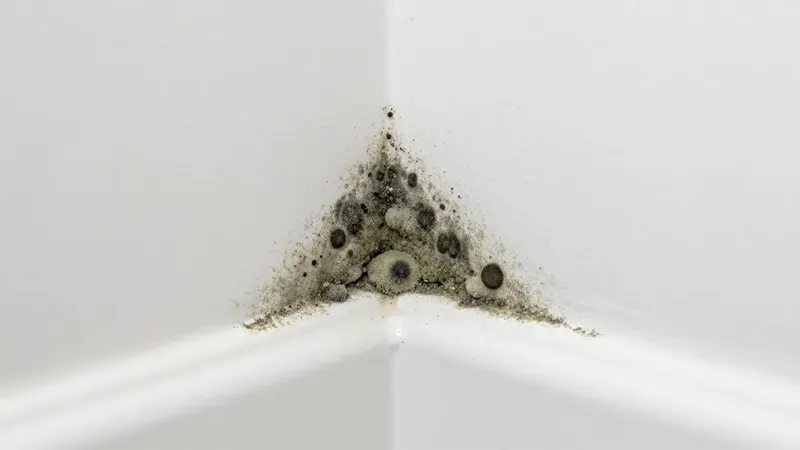
Months of morning fog and mild temperatures mean bathrooms, closets and north-facing rooms can stay damp after a leak. Mold can grow on wet drywall within 24 to 48 hours.
Per EPA guidance, a homeowner can often clean mold covering under about 10 square feet. Larger areas, growth inside walls, or mold in a shared building should go to mold remediation professionals, and tenants should notify their landlord in writing.
Protecting yourself and your claim
- Call 911 for fire, gas odor, injuries or sparking outlets.
- Turn off the water at the main or the fixture valve; in apartments, alert building management right away.
- Register for Alert LA County through Ready LA County for fire, storm and tsunami notices.
- Take photos of every affected area and item before anything is moved.
- Speak with your insurer or agent early; renters and owners often carry different coverage, and your policy determines what applies.
Neighborhoods and nearby communities
Areas in and around Santa Monica that callers often mention include:
- Ocean Park
- Pico
- Downtown
Nearby communities with their own pages (straight-line distance from Santa Monica):
Santa Monica restoration FAQs
Who is responsible for water damage in a Santa Monica apartment?
It depends on where the leak started and on your lease and insurance. Tell your landlord or HOA in writing right away, photograph the damage, and contact your own renters or condo insurer to ask what your policy includes.
Does the marine layer really cause mold?
Fog itself doesn't cause mold, but steady humidity slows drying after a leak or spill. Run exhaust fans, open windows on dry afternoons, and use a dehumidifier in rooms that stay damp.
Should I worry about tsunamis along the Santa Monica shoreline?
Los Angeles County lists tsunamis among the hazards on its preparedness site. Learn the evacuation route from your home and sign up for county alerts so you hear about a warning promptly.
What if wildfire smoke got into my home but nothing burned?
Replace HVAC filters, wipe hard surfaces with a dry sponge designed for soot, and launder washable fabrics. If a smoky odor remains in carpets, drapes or ducts, a professional cleaning may be worth it; check with your insurer first.
Restoration guides
- Water Damage Restoration
- Ceiling Water Damage Repair
- Mold Remediation
- Smoke Odor Removal
- Storm Water Damage Restoration
- Soot Removal