
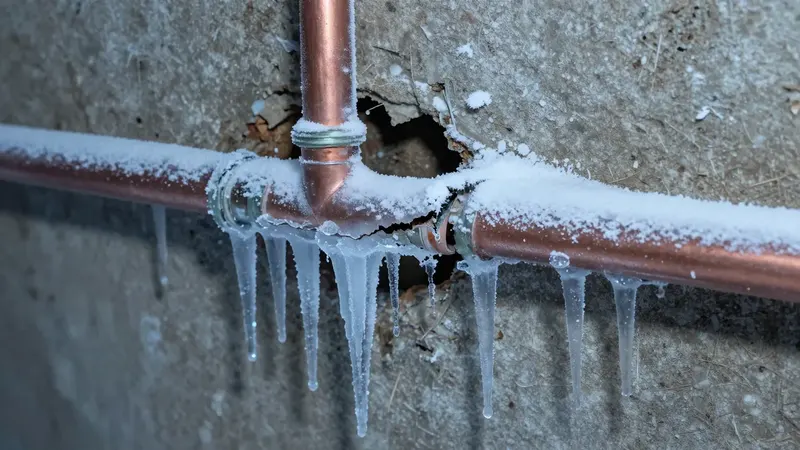
Plano takes its name from the flat land it was built on, and that level ground shapes how stormwater moves through neighborhoods toward creeks like Rowlett Creek on the east side. Collin County was included in FEMA's 2024 declaration for Severe Storms, Straight-line Winds, Tornadoes, and Flooding, and in the 2021 Severe Winter Storms declaration that burst pipes across North Texas.
Fire & Water Energy is a referral resource only, not a restoration firm. Reach us at (866) 937-3230 and we will try to connect you with an independent contractor serving Plano and the surrounding Collin County cities. We cannot promise availability, which depends on local providers. Read how it works or our referral disclosure for the details.
Spring storms, flat ground and the occasional deep freeze
The city sits at about 715 feet in a humid subtropical climate, and May typically brings the most rain of any month. Because the land is so level, heavy downpours can pool in streets, yards and alleys rather than draining off quickly, and Rowlett Creek and other drainageways carry the runoff. The city's Public Works department handles drainage and storm sewer concerns.
Temperature swings are wide: Plano's record low is -7°F, set in 1930, and its record high of 118°F came in 1936. FEMA declarations including Collin County since 2000 cover Hurricane Rita (2005), the 2006 Extreme Wildfire Threat, Severe Storms, Tornadoes, and Flooding in 2007, Severe Winter Storms in 2021 and the 2024 storms and flooding.
Leaks and burst pipes in Plano homes
Hard freezes are the big wildcard. Plumbing in attics, garages and exterior walls is vulnerable when temperatures stay below freezing for days, as in 2021. Spring storms add roof and window leaks. Through the long cooling season, AC condensate lines, water heaters, refrigerator ice-maker lines and washing machine hoses cause many indoor floods.
Anyone researching water damage restoration in Plano should expect a reputable company to stop the water, extract it, check hidden moisture in walls and under floors, remove what can't be dried, and set up monitored drying equipment. Freeze-related leaks get their own write-up under burst pipe water damage, and the pumping stage is covered under water extraction.
Federal disaster declarations that included Collin County
FEMA records show Collin County was included in 5 major disaster declarations for weather or fire events from 2000 through 2026 (1 flood, 1 severe ice storm, 1 severe storm, 1 fire, 1 hurricane, by FEMA incident type). Declarations are made at the county level, so they do not mean every neighborhood in Plano was affected. The most recent:
- 2024 – Severe Storms, Straight-line Winds, Tornadoes, and Flooding (DR-4781)
- 2021 – Severe Winter Storms (DR-4586)
- 2007 – Severe Storms, Tornadoes, and Flooding (DR-1709)
- 2006 – Extreme Wildfire Threat (DR-1624)
- 2005 – Hurricane Rita (DR-1606)
Source: OpenFEMA Disaster Declarations Summaries, retrieved 2026-10-10. Counts include major disaster (DR) declarations with hurricane, flood, severe storm, tropical storm, fire, tornado, coastal storm, winter or ice storm, mudslide and dam/levee incident types.
Water, fire or storm damage in Plano?
Call (866) 937-3230 and tell us what happened at your Plano property.
Fire damage: a lesson from 1881
In 1881 a fire swept through the town's business district and destroyed most of its buildings before Plano rebuilt. Today, kitchen, electrical and dryer fires are the most common causes of residential smoke damage, and smoke can spread far beyond the room where a fire started. Collin County was also included in the 2006 Extreme Wildfire Threat declaration.
Fire cleanup typically involves securing the home, testing residue, removing soot from walls and ceilings, cleaning ducts and treating odor. For more detail, browse fire damage restoration and soot removal.
Storm debris, roof damage and flood cleanup
Straight-line winds and tornadoes can peel back roofing, break windows and drop trees on homes, letting rain pour in. Tarping and board-up usually happen first, then debris removal and drying. Flat terrain means heavy rain can also push water through garages and doorways.
Water coming in from outside is treated as contaminated, so wet carpet pad and lower drywall are usually removed, and surfaces are cleaned and disinfected. Our storm damage cleanup and flood cleanup pages explain more.
Catching mold before it spreads
Humid summers and tight modern construction can trap moisture inside walls after a leak. Mold often appears on drywall behind appliances, around windows that leaked during a storm, or in attic insulation under roof damage.
The EPA says patches under about 10 square feet can often be cleaned by homeowners after fixing the moisture source. Larger or recurring growth, or mold after contaminated water, generally warrants professional mold remediation.
Plano safety steps and who to contact
- Call 911 for fire, injuries, gas odors or downed lines.
- Sign up for the city's CodeRED emergency alerts through the Plano Emergency Management page.
- Turn off the main water valve if a pipe bursts, and stay out of rooms where water reaches outlets.
- Report blocked storm drains or drainage problems to Public Works.
- Document everything with photos and video before cleanup begins.
- Check with your insurer or agent about what your particular policy includes.
Neighborhoods and nearby communities
Areas in and around Plano that callers often mention include:
- Downtown Plano
- Legacy West
- Willow Bend
- Central Plano
Nearby communities with their own pages (straight-line distance from Plano):
Plano restoration FAQs
How do I get emergency alerts in Plano?
The city offers CodeRED emergency notifications, and you can find sign-up information through Plano Emergency Management. Pairing those alerts with National Weather Service warnings helps you act early on severe storms.
Why does water pool in my yard after heavy rain?
Plano's terrain is very flat, so water drains slowly during intense downpours. If runoff is reaching your foundation or garage, you can report drainage concerns to Public Works and consider grading or gutter fixes.
Do you serve Richardson, Allen and Murphy too?
We take calls from nearby cities including Richardson, Allen, Murphy, Garland and Wylie. We try to find an independent contractor serving your address, though availability is never guaranteed.
What should I do if pipes freeze but haven't burst yet?
Keep the faucet open, warm the area gently with a hair dryer or space heater kept away from anything flammable, and never use an open flame. If a pipe splits, close the main shutoff and photograph the damage.
How soon should drying start after a leak?
Ideally within a day or two, since mold can begin growing on wet materials in that time. Quick extraction and confirmed drying with moisture readings also help limit damage to floors and cabinets.
Restoration guides
- Burst Pipe Water Damage
- Water Extraction
- Storm Damage Cleanup
- Flood Cleanup
- Fire Damage Restoration
- Mold Remediation