
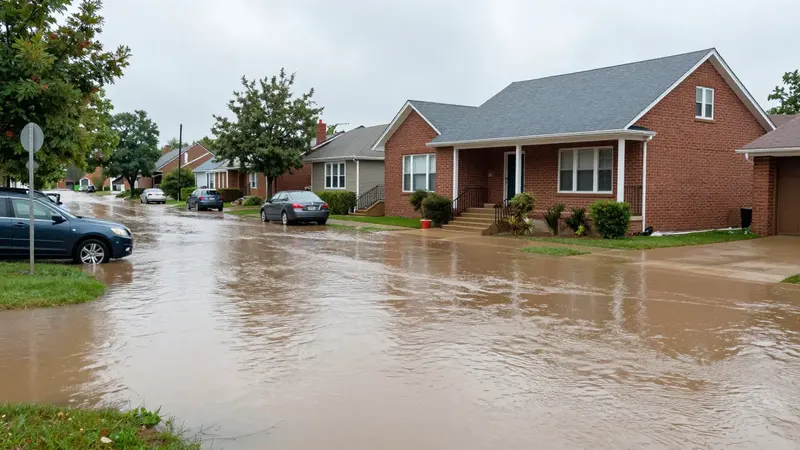
Few towns in the state have grown like this one: from under 2,000 people in 2000 to nearly 23,000 by 2020. Most homes are recent, yet the same hurricanes and tropical storms that have long hit the Cape Fear region still test roofs, windows and drainage here, and indoor leaks from plumbing and appliances happen in new houses too.
Fire & Water Energy owns no trucks or equipment; our part is matching Brunswick County callers with outside firms. Call (866) 937-3230 and we will try to find an independent restoration contractor serving Leland; who is available varies. If you want the fine print, the how-it-works page and referral disclosure spell out what we do and do not do.
Creeks, wetlands and a long list of Cape Fear storms
The town sits at about 26 feet of elevation, about five miles west of Wilmington. Wikipedia names a web of waterways running through it, including the Brunswick River, Sturgeon Creek, Mallory Creek, Jackeys Creek, Alligator Creek and several smaller branches. Protected land such as Cypress Cove Park is mostly wetland.
Brunswick County's FEMA record since 2000 reads like a hurricane timeline: Isabel (2003), Ophelia (2005), Tropical Storm Hanna (2008), a 2010 event of severe storms, flooding and straight-line winds, Irene (2011), Matthew (2016), Florence (2018), Tropical Storm Michael (2019), Dorian (2019), Isaias (2020) and Potential Tropical Cyclone Eight (2024).
Water damage in newer Leland subdivisions
With so much construction in the past two decades, typical indoor losses come from failed PEX fittings, washing machine and icemaker lines, water heaters and attic air handlers whose drain pans overflow. Slab-on-grade homes can hide a leak under flooring until boards cup or baseboards swell.
For water damage restoration in Leland, a contractor will commonly locate the source, take moisture readings, extract water and dry walls and subfloors with dehumidifiers and air movers. Wind-driven rain during tropical storms can also push water past windows and doors. Read about water extraction and storm water damage restoration.
Federal disaster declarations that included Brunswick County
FEMA records show Brunswick County was included in 11 major disaster declarations for weather or fire events from 2000 through 2026 (8 hurricane, 2 severe storm, 1 tropical storm, by FEMA incident type). Declarations are made at the county level, so they do not mean every neighborhood in Leland was affected. The most recent:
- 2024 – Potential Tropical Cyclone Eight (DR-4837)
- 2020 – Hurricane Isaias (DR-4568)
- 2019 – Hurricane Dorian (DR-4465)
- 2019 – Tropical Storm Michael (DR-4412)
- 2018 – Hurricane Florence (DR-4393)
- 2016 – Hurricane Matthew (DR-4285)
Source: OpenFEMA Disaster Declarations Summaries, retrieved 2026-10-10. Counts include major disaster (DR) declarations with hurricane, flood, severe storm, tropical storm, fire, tornado, coastal storm, winter or ice storm, mudslide and dam/levee incident types.
Water, fire or storm damage in Leland?
Call (866) 937-3230 and tell us what happened at your Leland property.
Restoring a home after fire or smoke
Cooking accidents, dryer lint and electrical faults cause many residential fires, and in tightly sealed modern homes smoke can circulate through the HVAC system to every room. Hose water then adds a second cleanup problem.
A reputable company will usually board up, remove debris, clean soot from walls and contents, change filters and treat odors. Compare fire damage restoration and smoke damage cleanup. Do not run the HVAC system until it has been checked for soot.
Hurricane flooding and storm debris near the Brunswick River
Low wetlands and creek corridors can rise during long tropical rains, and tidal rivers nearby add to the risk. Inside the house, floodwater is considered contaminated, so carpet, pad and lower drywall it touched usually come out. Fallen trees and lifted shingles let more rain in afterward.
The Town of Leland's floodplain management page links to an interactive Flood Zone Map, the state's Flood Risk Information System and FIMAN gauges, and explains that most work in a special flood hazard area needs a permit. It also links FEMA's Substantial Damage Quick Guide for owners rebuilding after a major flood. Both hurricane damage cleanup and flood damage restoration are covered in more depth on their own pages.
Mold after tropical rain and slow leaks
Surrounded by wetlands, homes here face damp outdoor air much of the year, and wet drywall or insulation can grow mold quickly if drying is delayed after a storm. Hidden leaks behind showers and under sinks are another frequent source.
EPA advice is that mold covering less than about 10 square feet is often manageable by the homeowner, but larger patches, recurring growth or mold from floodwater should go to a professional using containment and HEPA filtration. More on mold remediation.
What Leland residents should do first
- Call 911 for fire, injuries, a gas odor or downed lines.
- Register for CodeRed alerts through Brunswick County and review the Town's emergency management preparedness tips.
- Stay out of flooded rooms until power is shut off.
- Photograph damage and keep a list of ruined items and receipts.
- Call your insurer or agent; wind, flood and water coverage depend on your specific policies.
- Ask about floodplain permits before rebuilding in a mapped flood zone.
Then reach us at (866) 937-3230, or see our North Carolina locations.
Neighborhoods and nearby communities
Nearby communities with their own pages (straight-line distance from Leland):
- Wilmington · 6 mi
- Murraysville · 12 mi
- Myrtle Grove · 13 mi
- Little River, SC · 42 mi
- North Myrtle Beach, SC · 47 mi
- Jacksonville · 49 mi
Leland restoration FAQs
How can I tell if my Leland property is in a flood zone?
The Town's floodplain management page links to an interactive Flood Zone Map and the state's Flood Risk Information System. Being outside a mapped zone does not mean zero risk. Ask your agent about flood insurance either way.
Do I need a permit to repair flood damage?
The Town says most development in a special flood hazard area, including structures, fill and grading, generally needs a floodplain development permit. Major repairs after a flood may trigger a substantial damage review. Check with the Town before rebuilding.
How do I get emergency alerts for storms?
The Town of Leland points residents to Brunswick County's CodeRed alert registration. The Town also posts preparedness information and holds a Hurricane Expo. Sign up before hurricane season.
Which storms have hit Brunswick County hardest in recent years?
FEMA declarations since 2000 include Hurricanes Isabel, Ophelia, Irene, Matthew, Florence, Dorian and Isaias, plus Tropical Storms Hanna and Michael and Potential Tropical Cyclone Eight in 2024. That is one of the longest lists in the state.
Is Fire & Water Energy a local Brunswick County contractor?
No. We are a referral service that tries to match callers with independent contractors serving the area. Verify each contractor's insurance and get a written estimate.
Restoration guides
- Hurricane Damage Cleanup
- Flood Damage Restoration
- Storm Water Damage Restoration
- Water Extraction
- Fire Damage Restoration
- Mold Remediation
Local resources for Leland residents
- Town of Leland: Floodplain Management
- Town of Leland: Emergency Management
- Brunswick County: CodeRed Alerts