
This Montgomery County community centers on Potomac Village, the small cluster of shops where Falls Road meets River Road. A house went up at that corner in 1902, more homes followed on northern Falls Road in the 1920s and 1930s, and suburban building filled in later. That mix means some properties have century-old foundations while others have large finished lower levels.
Fire & Water Energy is a referral line that passes callers to independent restoration firms; it does not send workers. Ring (866) 937-3230 and we will try to reach a contractor who takes jobs in Potomac, depending on local availability. Our process page and referral disclosure describe the arrangement in full.
River history, Piedmont hills and Potomac's climate
Montgomery County rises from near sea level along the Potomac to several hundred feet in the hills, and Potomac itself sits around 292 feet. The area has a humid subtropical climate with hot, sticky summers and cool to cold winters bringing light to moderate snow. The county averages about 43 inches of precipitation a year, and summer thunderstorms are frequent.
The river has a long flood record. Its highest recorded crest at Little Falls, 28.1 feet, came on March 19, 1936, and Wikipedia calls the October 1942 flood the most damaging for the Washington area. More recently, FEMA has included Montgomery County in eight major disaster declarations since 2000, among them Hurricane Isabel (2003), the 2006 storms, flooding and tornadoes, Hurricane Sandy and the 2012 straight-line winds, and winter storms in 2000, 2010 and 2016.
Large homes, long plumbing runs and hidden leaks
Bigger houses mean more fixtures, longer supply lines and more places for a slow leak to hide: upstairs laundry rooms, wet bars, multiple water heaters, irrigation lines and pool equipment. In older farmhouses, stone or block foundations may let groundwater through after heavy rain.
When you need water damage restoration in Potomac, a reputable contractor will usually trace the source, extract standing water, take moisture readings through walls and floors and dry the structure with dehumidifiers. Ceiling stains below a bathroom or laundry are a common first sign; see ceiling water damage repair and water damage repair.
Federal disaster declarations that included Montgomery County
FEMA records show Montgomery County was included in 8 major disaster declarations for weather or fire events from 2000 through 2026 (3 winter storm, 3 severe storm, 2 hurricane, by FEMA incident type). Declarations are made at the county level, so they do not mean every neighborhood in Potomac was affected. The most recent:
- 2016 – Severe Winter Storm and Snowstorm (DR-4261)
- 2012 – Hurricane Sandy (DR-4091)
- 2012 – Severe Storms and Straight-line Winds (DR-4075)
- 2010 – Severe Winter Storms and Snowstorms (DR-1910)
- 2010 – Severe Winter Storm and Snowstorm (DR-1875)
- 2006 – Severe Storms, Flooding, and Tornadoes (DR-1652)
Source: OpenFEMA Disaster Declarations Summaries, retrieved 2026-10-10. Counts include major disaster (DR) declarations with hurricane, flood, severe storm, tropical storm, fire, tornado, coastal storm, winter or ice storm, mudslide and dam/levee incident types.
Water, fire or storm damage in Potomac?
Call (866) 937-3230 and tell us what happened at your Potomac property.
Smoke, soot and fireplace-related fires
Homes with fireplaces, wood stoves, generators and detached workshops carry their own fire risks, and Montgomery County lists home fires among the hazards its emergency office prepares for. Smoke travels through open floor plans and tall ceilings, leaving residue far from the source.
A restoration contractor typically secures the structure, removes debris, cleans soot from finishes and contents, cleans ducts and then deodorizes. Fine materials such as wood paneling and fabrics may need specialist cleaning. Both fire damage restoration and smoke odor removal are explained on their own service pages.
Storm runoff, fallen trees and flood cleanup
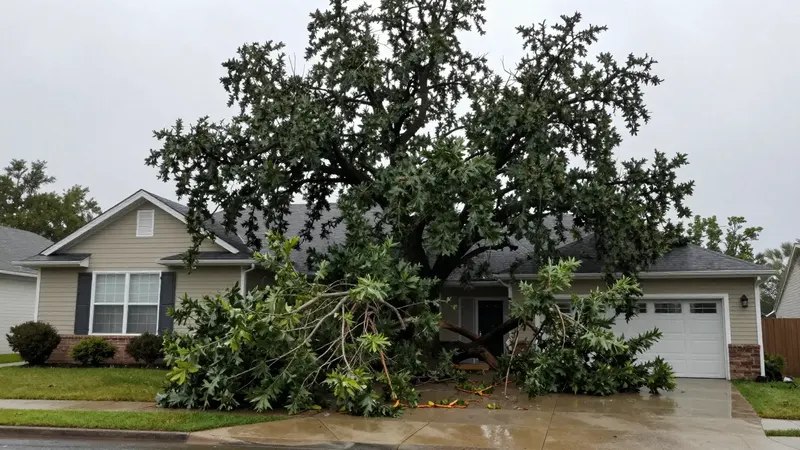
Wooded lots are part of Potomac's character, which also means big trees falling on roofs when tropical remnants or straight-line winds move through, as in 2003 and 2012. Sloped driveways and yards can funnel runoff toward walk-out basements during intense summer storms.
Low ground near the river and its tributaries is the most flood-prone, but most damage here comes from roof openings and surface water. Contractors offering storm damage cleanup generally tarp, remove debris and then dry the interior, while basement flood cleanup covers water that comes in below grade.
Keeping mold out of lower levels
Humid summers make finished basements, wine rooms and storage areas prone to mold, especially where carpet sits on concrete. Run a dehumidifier in summer and dry any spill within a day or two.
EPA guidance treats mold patches smaller than about 10 square feet as something a homeowner can often clean after fixing the moisture. Larger areas, contamination in air handlers, or occupants with asthma or allergies point toward professional mold remediation.
Safety checklist for Potomac property owners
- Call 911 for any fire, gas odor, injury or electrical danger.
- Subscribe to Alert Montgomery for county severe weather messages by text, email or phone.
- Stay off flooded roads near the river and its tributaries; turn around rather than drive through water.
- Shut the main water valve when a pipe fails and it is safe to reach.
- Photograph rooms and belongings before cleanup and keep a written list of damaged items.
- Speak with your insurer or broker about your coverage; flood losses usually require a separate policy.
Neighborhoods and nearby communities
Areas in and around Potomac that callers often mention include:
- Potomac Village
Nearby communities with their own pages (straight-line distance from Potomac):
- Great Falls, VA · 4 mi
- North Bethesda · 5 mi
- North Potomac · 5 mi
- Rockville · 5 mi
- McLean, VA · 6 mi
- Bethesda · 6 mi
Potomac restoration FAQs
Has the Potomac River flooded the area in the past?
Yes. The river's highest crest at Little Falls, 28.1 feet, came in March 1936, and the October 1942 flood was the most damaging for the Washington region. Homes on higher ground are rarely reached by the river itself, so check official flood maps for your address.
My Potomac house is an older farmhouse. What water problems should I expect?
Older foundations, original drain lines and add-on plumbing from later renovations are common trouble spots. Basements in these houses can take on groundwater after long rains, so watch for damp walls and efflorescence.
What Montgomery County alerts should I sign up for?
The county's Office of Emergency Management and Homeland Security runs Alert Montgomery. You can choose severe weather and other categories and receive messages by text, email or phone.
Do you take calls from North Potomac, Travilah and Rockville too?
Yes, we try to help callers in Potomac and nearby places such as North Potomac, Travilah, Rockville and Bethesda. An independent contractor's availability for your job is never guaranteed.
Restoration guides
- Water Damage Restoration
- Ceiling Water Damage Repair
- Storm Damage Cleanup
- Basement Flood Cleanup
- Fire Damage Restoration
- Mold Remediation