
McLennan County's seat sits along the Brazos River, close to where the Bosque River joins it, with Lake Waco forming the western edge of the city. Severe weather is part of its history: the 1953 tornado killed 114 people and remains tied for the deadliest in Texas. It was also the first tornado tracked on radar.
Fire & Water Energy connects people with restoration companies but does not do the work. Call (866) 937-3230 and we will try to reach an independent restoration contractor serving Waco, Hewitt and the rest of the McLennan County area. Availability depends on local companies. Review how it works and the referral disclosure to understand the service.
The Brazos Valley's storm and temperature extremes
At about 522 feet above sea level, the city has a humid subtropical climate with around 36 inches of precipitation spread over roughly 80 days a year. Snow is rare, averaging under an inch, but the record low reached 5 below zero on January 31, 1949. Heat is the bigger constant; the all-time high of 114 degrees came on July 23, 2018.
The joint Waco-McLennan County Office of Emergency Management names severe weather and hazardous materials incidents as the county's most significant disaster risks. FEMA declarations for the county since 2000 include Hurricane Rita (2005), the 2006 Extreme Wildfire Threat, the 2007 storms with tornadoes and flooding, the 2015 storms with tornadoes, straight-line winds and flooding, and the 2021 Severe Winter Storms.
Plumbing failures, roof leaks and water damage repair in Waco
Spring storms with hail and high winds damage shingles and flashing, and the next heavy rain finds its way into attics and ceilings. Winter cold snaps, like the one behind the 2021 declaration, can freeze and split pipes in attics, garages and outside walls. During the long cooling season, clogged AC drain lines, failing water heaters and broken supply hoses are frequent culprits.
Someone searching for water damage repair in Waco usually needs the leak stopped, water extracted, hidden moisture mapped with meters and the building dried before rebuilding starts. Our pages on ceiling water damage repair and water damage restoration explain the process.
Federal disaster declarations that included McLennan County
FEMA records show McLennan County was included in 5 major disaster declarations for weather or fire events from 2000 through 2026 (2 severe storm, 1 severe ice storm, 1 fire, 1 hurricane, by FEMA incident type). Declarations are made at the county level, so they do not mean every neighborhood in Waco was affected. The most recent:
- 2021 – Severe Winter Storms (DR-4586)
- 2015 – Severe Storms, Tornadoes, Straight-line Winds and Flooding (DR-4223)
- 2007 – Severe Storms, Tornadoes, and Flooding (DR-1709)
- 2006 – Extreme Wildfire Threat (DR-1624)
- 2005 – Hurricane Rita (DR-1606)
Source: OpenFEMA Disaster Declarations Summaries, retrieved 2026-10-10. Counts include major disaster (DR) declarations with hurricane, flood, severe storm, tropical storm, fire, tornado, coastal storm, winter or ice storm, mudslide and dam/levee incident types.
Water, fire or storm damage in Waco?
Call (866) 937-3230 and tell us what happened at your Waco property.
Fire, soot and smoke odor in older and newer buildings
Waco has a long history with destructive fires, including 1910 blazes that destroyed the main building of the college that became TCU and the original Cotton Palace. Today, most residential fires start with cooking, electrical faults, heating equipment or dryers, and older buildings with plaster and wood finishes can hold smoke odor stubbornly.
A restoration contractor will usually board up openings, haul out debris, test soot to choose cleaning methods, clean ducts and deodorize. See fire damage cleanup and soot removal for the details.
Tornado, hail and flash flood recovery
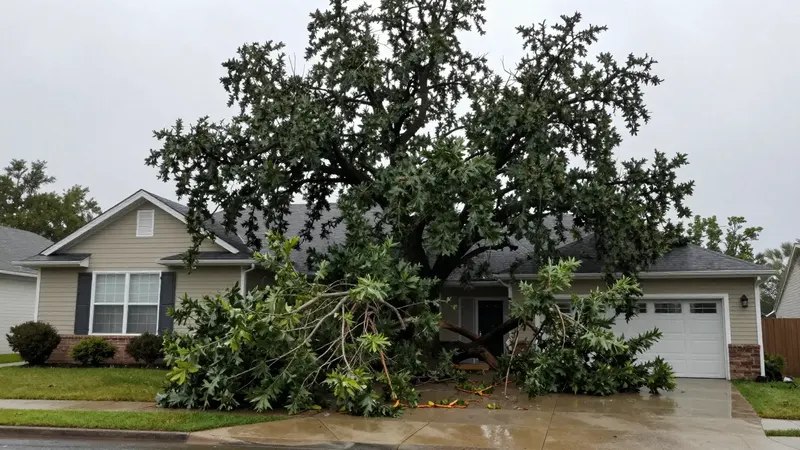
Severe thunderstorms can bring tornadoes, damaging hail and torrential rain, as the 2007 and 2015 declarations show. After wind damage, contractors generally tarp roofs, board windows and remove fallen trees before working on interiors.
Heavy downpours can flood streets and low-lying properties quickly. Water that enters a building from outside is treated as contaminated, which often means cutting out wet drywall and removing carpet pad, followed by cleaning, disinfection and drying. More on storm damage cleanup and flood cleanup.
Heat, humidity and mold growth
Hot summers and humid spells give mold a quick start on any material that stays wet for a day or two. Attic insulation beneath a storm-damaged roof, cabinet bases under a leaking sink, and carpet over a slab leak are common places it hides.
EPA guidance suggests homeowners can usually clean patches under about 10 square feet after fixing the moisture source. Larger areas, mold in HVAC systems, and growth following floodwater or sewage generally warrant professional mold remediation.
Immediate safety and alerts for Waco residents
- Call 911 for fire, injuries, gas odors or downed power lines.
- Register for phone and email warnings through the Waco-McLennan County Office of Emergency Management Emergency Notification System, which covers tornado warnings, water outages and evacuations.
- During a tornado warning, move to an interior room on the lowest floor.
- Never drive through water covering a road.
- Shut off the main water valve if a pipe bursts, and avoid wet outlets.
- Photograph damage, keep receipts, and check with your insurer or agent about your specific coverage.
Neighborhoods and nearby communities
Nearby communities with their own pages (straight-line distance from Waco):
- Temple · 33 mi
- Harker Heights · 44 mi
- Killeen · 45 mi
- Copperas Cove · 53 mi
- Corsicana · 55 mi
- Cleburne · 57 mi
Waco restoration FAQs
How do I get emergency alerts in Waco and McLennan County?
The joint Waco-McLennan County Office of Emergency Management runs an Emergency Notification System that sends messages by phone and email. You register with your name, address and contact details, and alerts can include tornado warnings, water outages and evacuations.
How bad was the 1953 Waco tornado?
The F5 tornado struck downtown on May 11, 1953, and killed 114 people, tying it for the deadliest tornado in Texas history. A granite monument downtown has marked the event since 2004.
What are the biggest disaster risks in McLennan County?
According to the county's emergency management office, severe weather and hazardous materials incidents are the most significant risks. Severe storms bring tornadoes, hail, high winds and flash flooding.
Can pipes freeze in Central Texas?
Yes. The record low is minus 5 degrees, and McLennan County was included in the 2021 Severe Winter Storms declaration. Insulate exposed lines in attics and exterior walls before cold fronts arrive.
Will Fire & Water Energy be the company cleaning my Waco property?
No. We are a referral service that tries to connect callers with independent restoration contractors serving Waco. Call (866) 937-3230; we cannot guarantee a provider will be available.
Restoration guides
- Storm Damage Cleanup
- Ceiling Water Damage Repair
- Water Damage Restoration
- Fire Damage Cleanup
- Soot Removal
- Mold Remediation