
Uptown Charlotte rests on a long rise between Sugar Creek and Irwin Creek, with the Catawba River and its reservoirs a few miles to the west. That mix of urban creeks, heavy summer downpours and the occasional winter freeze means local houses can take on water from many directions, not just from rising streams.
We do not do repairs ourselves; Fire & Water Energy simply makes referrals. Call (866) 937-3230 and we will try to connect you with an independent restoration contractor serving Mecklenburg County. Availability depends on the independent providers working in your area. The how-it-works page and disclosure explain the arrangement.
What the Piedmont climate throws at Mecklenburg homes
The city has a humid subtropical climate with roughly 43.6 inches of precipitation in an average year, according to Wikipedia. Snow is light, around 3.5 inches a season on average, but about 59 nights a year drop to freezing or below, usually between early November and late March.
Tropical systems still reach this far inland. Hurricane Hugo arrived on September 22, 1989, with sustained winds near 69 mph and gusts to 87 mph; it destroyed about 80,000 trees and cut power to most residents. In December 2002 an ice storm left more than 1.3 million people across the region without electricity. FEMA's major disaster declarations covering Mecklenburg County since 2000 include a Severe Winter Storm (DR-1312, 2000), a Severe Ice Storm (DR-1448, 2002), Tropical Storm Frances (DR-1546, 2004) and Tropical Storm Helene (DR-4827, 2024).
Leaks, bursts and soaked floors: water damage repair in the Queen City
Most indoor water problems here are ordinary plumbing and roofing failures made worse by the weather. Pipes in crawl spaces or exterior walls can split during a cold snap, thunderstorms push water past worn flashing, and air-conditioning condensate lines clog during long humid summers. Older houses, such as many in Myers Park, Dilworth and Eastover, may have aging supply lines or roof decking worth checking after a storm.
A typical restoration contractor will find the source, measure moisture with meters, pull out standing water and set up drying equipment. Read more about water damage restoration, burst pipe water damage and structural drying. If you need water damage restoration in Charlotte, ask any company you speak with to explain its drying plan and how it documents readings.
Federal disaster declarations that included Mecklenburg County
FEMA records show Mecklenburg County was included in 4 major disaster declarations for weather or fire events from 2000 through 2026 (1 tropical storm, 1 hurricane, 1 severe ice storm, 1 severe storm, by FEMA incident type). Declarations are made at the county level, so they do not mean every neighborhood in Charlotte was affected. The most recent:
- 2024 – Tropical Storm Helene (DR-4827)
- 2004 – Tropical Storm Frances (DR-1546)
- 2002 – Severe Ice Storm (DR-1448)
- 2000 – Severe Winter Storm (DR-1312)
Source: OpenFEMA Disaster Declarations Summaries, retrieved 2026-10-10. Counts include major disaster (DR) declarations with hurricane, flood, severe storm, tropical storm, fire, tornado, coastal storm, winter or ice storm, mudslide and dam/levee incident types.
Water, fire or storm damage in Charlotte?
Call (866) 937-3230 and tell us what happened at your Charlotte property.
Smoke, soot and fire cleanup for local households
Kitchen fires, heating equipment and electrical faults are common starting points for house fires anywhere, and a fire that firefighters put out with hoses usually leaves water damage on top of soot. Smoke residue is acidic and can stain or corrode surfaces if it sits, so cleanup timing matters.
Contractors commonly start by boarding up openings, removing debris, then cleaning soot and treating odor. Learn about fire damage restoration and smoke damage cleanup. Do not go back inside until the fire department says the structure is safe.
Creek flooding and storm cleanup along the Catawba basin
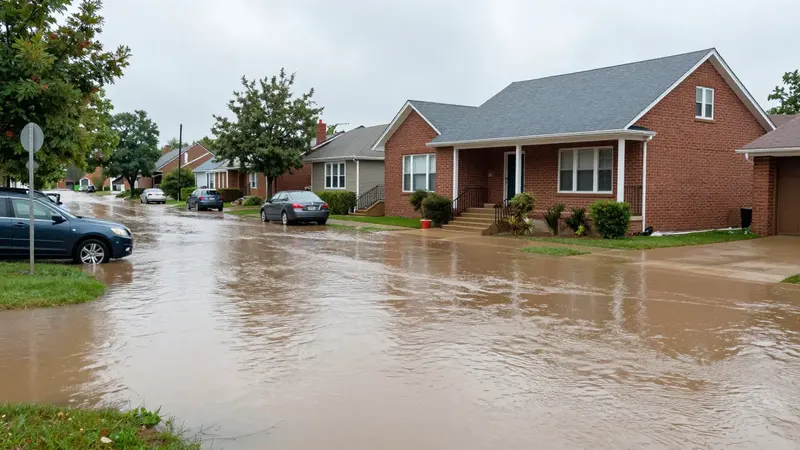
Charlotte's creeks rise fast when a strong thunderstorm parks overhead. The city has dealt with this for decades: since the 1990s, voluntary buyouts of about 700 flood-prone households have turned roughly 200 acres into open floodplain land, Wikipedia reports. Fallen trees are the other big hazard, as Hugo and the 2002 ice storm both showed when limbs crashed through roofs and brought down power lines.
Floodwater from creeks counts as contaminated (Category 3) and should be handled with protective gear. Contractors usually remove soaked drywall and insulation, then dry and sanitize the framing. See flood cleanup and storm damage cleanup.
Humidity, crawl spaces and mold growth
Warm, muggy summers give mold an easy start, and it can begin growing on wet materials within a day or two. Crawl spaces, attics under a leaking roof and basements in hillside homes are frequent trouble spots.
The U.S. EPA suggests homeowners can often handle a moldy patch under about 10 square feet themselves, while larger areas or growth inside HVAC systems usually call for a professional. A contractor will typically contain the area, remove affected materials and fix the moisture source. More on mold remediation.
First moves for Charlotte residents after damage
- Call 911 for fire, gas odors, downed power lines or anyone in danger.
- Shut off water at the main valve and turn off electricity only if you can reach the panel without standing in water.
- Stay out of floodwater and keep children and pets away from it.
- Photograph and video every affected room before moving items, and keep damaged pieces until your adjuster sees them.
- Call your insurer or agent; coverage depends on your policy, and standard homeowners policies often exclude flood.
Then call (866) 937-3230 for a referral to an independent contractor. More statewide information is on our North Carolina service areas page.
Neighborhoods and nearby communities
Areas in and around Charlotte that callers often mention include:
- Uptown
- Midtown
- Elizabeth
- South End
- Biddleville
- Cherry
- Plaza Midwood
- North Tryon
- Sugar Creek
- NoDa
- Myers Park
- Dilworth
- Eastover
- SouthPark
- University City
- Ballantyne
- Steele Creek
- Camp North End
Nearby communities with their own pages (straight-line distance from Charlotte):
- Matthews · 10 mi
- Pineville · 10 mi
- Mount Holly · 11 mi
- Belmont · 11 mi
- Mint Hill · 12 mi
- Harrisburg · 12 mi
Charlotte restoration FAQs
Does Charlotte get hurricane damage even though it is far from the coast?
Yes. The city lies about 200 miles inland, but Hurricane Hugo in 1989 brought gusts near 87 mph and toppled tens of thousands of trees. FEMA has also included Mecklenburg County in declarations for Tropical Storm Frances in 2004 and Tropical Storm Helene in 2024.
When are frozen pipes most likely in Mecklenburg County?
Freezing nights typically fall between early November and late March, about 59 of them in an average year. Pipes in crawl spaces, garages and exterior walls are the most exposed. Letting a faucet drip and opening cabinet doors on cold nights can help.
My home is near a creek. What should I do after it floods?
Treat creek water as contaminated and avoid touching it without gloves and boots. Do not turn on power in wet areas, document the damage, and contact your insurer, since flood coverage usually needs a separate policy. An independent contractor can then remove wet materials and dry the structure.
Can you help after an ice storm brings a tree through my roof?
We can try to refer you to an independent contractor who handles storm damage, tarping and water cleanup. Stay clear of any lines tangled in the tree and report them to 911 or your utility. Availability depends on local providers, especially after a regional storm.
Does Fire & Water Energy do the restoration work itself?
No. We are a referral service that connects callers with independent restoration contractors. Ask any contractor about licensing, insurance and written estimates before work starts.
Restoration guides
- Water Damage Restoration
- Burst Pipe Water Damage
- Storm Damage Cleanup
- Flood Cleanup
- Mold Remediation
- Fire Damage Restoration