
The Randolph County seat sits at roughly 846 feet among the worn-down ridges of the Uwharrie Mountains, so rain runs quickly downhill toward lower lots and foundations. Septembers here are usually the wettest month of the year, and winter can drop to bitter lows, with a record of minus 8 degrees Fahrenheit.
If a leak, fire or storm has damaged your property, call (866) 937-3230. Fire & Water Energy is a referral service, not a contractor; we try to match you with an independent restoration company working in the Asheboro area, depending on who is available. The how it works page and our referral disclosure lay out exactly what that call involves.
Uwharrie hills, heavy rain and winter ice
Wikipedia describes the area as surprisingly hilly for the Piedmont, and it reports average yearly precipitation of about 46.6 inches, peaking at around 4.8 inches in September. Sloped yards can push stormwater against foundation walls, and runoff tends to gather in basements and crawl spaces on the downhill side of a house.
Randolph County has been part of seven FEMA major disaster declarations since 2000. They include a Severe Winter Storm (2000), a Severe Ice Storm (2002), Hurricane Ivan (2004), another Severe Winter Storm (2014), Hurricane Florence (2018), Tropical Storm Michael (2019) and a 2020 declaration for severe storms, tornadoes and flooding.
Why indoor leaks start in Randolph County homes
Cold snaps are the usual trigger for split supply lines, especially pipes running through vented crawl spaces or exterior walls. In the warm months, aging water heaters, washing machine hoses and clogged air conditioner drain lines take over as frequent sources. Wind-driven rain from tropical remnants can also slip under flashing and soak attic insulation.
Good water damage restoration in Asheboro starts with finding and stopping the source. A typical contractor then removes standing water, opens wet cavities if needed, and runs dehumidifiers and air movers while tracking moisture readings. Related pages: water damage restoration, water damage repair and burst pipe water damage.
Federal disaster declarations that included Randolph County
FEMA records show Randolph County was included in 7 major disaster declarations for weather or fire events from 2000 through 2026 (3 hurricane, 2 severe storm, 2 severe ice storm, by FEMA incident type). Declarations are made at the county level, so they do not mean every neighborhood in Asheboro was affected. The most recent:
- 2020 – Severe Storms, Tornadoes, and Flooding (DR-4543)
- 2019 – Tropical Storm Michael (DR-4412)
- 2018 – Hurricane Florence (DR-4393)
- 2014 – Severe Winter Storm (DR-4167)
- 2004 – Hurricane Ivan (DR-1553)
- 2002 – Severe Ice Storm (DR-1448)
Source: OpenFEMA Disaster Declarations Summaries, retrieved 2026-10-10. Counts include major disaster (DR) declarations with hurricane, flood, severe storm, tropical storm, fire, tornado, coastal storm, winter or ice storm, mudslide and dam/levee incident types.
Water, fire or storm damage in Asheboro?
Call (866) 937-3230 and tell us what happened at your Asheboro property.
Soot, smoke and charred materials
Outages from ice storms often send families to space heaters, candles and fireplaces, and those are common starting points for house fires. After the flames are out, acidic soot keeps etching surfaces and odor sinks into drywall, carpet and upholstery.
Restoration firms commonly haul out burned debris, dry what the fire hose soaked, clean soot from walls and contents, and treat lingering odor. Our guides to fire damage cleanup and smoke odor removal walk through what an outage-season fire usually leaves behind. Ask the fire department whether the building is safe before going back inside.
After tropical rain, tornadoes and fallen limbs
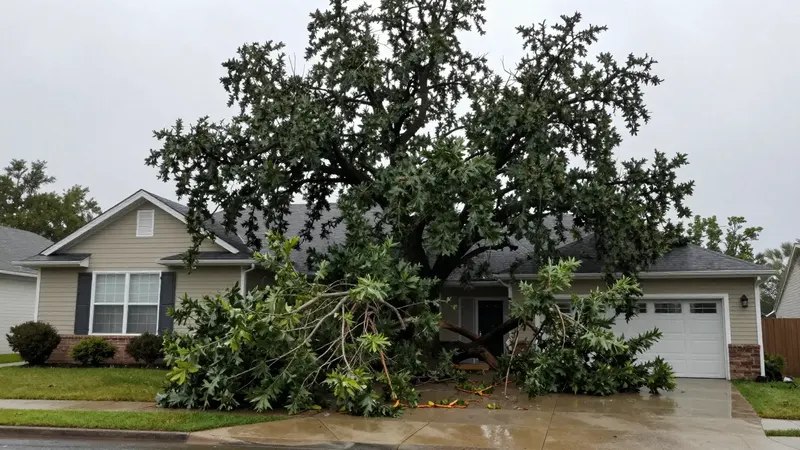
Storms like Florence and Michael brought prolonged rain to central North Carolina, and the 2020 severe storm declaration covered tornado and flood damage in the county. Saturated hillsides, clogged ditches and broken trees can all send water into a home at once.
Treat water that came in from outside as potentially contaminated. A reputable crew will usually tarp roof openings, remove soaked flooring and drywall, disinfect, and dry the structure before rebuilding. Our storm damage cleanup and flood cleanup pages go deeper on the outdoor-water side.
Keeping mold out of damp crawl spaces
Hot, humid summers give mold an easy start in crawl spaces, behind baseboards and under carpet pad that stayed wet too long. A musty smell is often the first clue, well before stains appear.
EPA guidance says a homeowner can usually clean a moldy patch smaller than about 10 square feet, provided the moisture problem is fixed. Larger areas, growth inside HVAC systems, or mold after sewage backup are better handled by professionals using containment. Learn more about mold remediation.
First steps for Asheboro property owners
- Dial 911 for fire, injuries, downed power lines or a gas smell, and leave the building if it feels unsafe.
- Shut off the water main for plumbing failures, and stay away from electrical panels in wet areas.
- Sign up for Randolph County's REACT emergency alerts for severe weather and evacuation notices.
- Photograph every damaged room and item before cleanup, and keep receipts.
- Coverage depends on your policy; check with your insurer or agent, since flood is often a separate policy.
Then call (866) 937-3230 and we will try to refer you to an independent contractor nearby. Browse other North Carolina service areas.
Neighborhoods and nearby communities
Nearby communities with their own pages (straight-line distance from Asheboro):
- Archdale · 17 mi
- Thomasville · 19 mi
- Siler City · 20 mi
- High Point · 20 mi
- Greensboro · 25 mi
- Lexington · 26 mi
Asheboro restoration FAQs
Which month brings the most rain to Asheboro?
September is typically the wettest month, averaging close to 4.8 inches according to Wikipedia's climate table. That overlaps with the peak of hurricane season, when tropical remnants can add heavy rain. Clearing gutters and downspouts before fall is a sensible habit.
How do I get emergency weather alerts in Randolph County?
The county runs REACT, short for Randolph Emergency Alert Communication Technology. It sends notices about severe weather, road closures and evacuations by text, email or phone. You can sign up through the county website.
Does hilly terrain affect water damage around Asheboro?
It can. Homes built on slopes may see runoff collect against the uphill foundation wall or pool in a crawl space on the low side. Grading, gutter extensions and a working sump, where installed, help move water away.
Can ice storms cause water damage inside a house?
Yes. Randolph County was included in ice and winter storm disaster declarations in 2000, 2002 and 2014. Heavy ice can break limbs onto roofs, and long outages can let pipes freeze and split, which often shows up as a leak once things thaw.
Restoration guides
- Water Damage Restoration
- Burst Pipe Water Damage
- Storm Damage Cleanup
- Fire Damage Cleanup
- Mold Remediation
- Flood Cleanup