
Legend says the town got its name from a card game: two ranch partners agreed that whoever could show low would win, and Corydon Cooley turned up the deuce of clubs. The main street is still called Deuce of Clubs. Settled in 1870 and incorporated in 1953, the city had about 11,700 residents in 2020, yet 41 percent of its 8,365 housing units were counted as vacant, a sign of how many homes sit empty for parts of the year. Empty houses are exactly where frozen pipes and slow roof leaks do the most harm.
Fire & Water Energy acts as a referral service for property owners. Call (866) 937-3230 and we will try to connect you with an independent contractor who works in Show Low. We cannot guarantee availability, since that depends on local providers. Read how it works for details.
Wildfire, snow and monsoon on the Mogollon Rim
Show Low averages about 15.7 inches of rain a year, with a summer peak from the North American Monsoon, plus roughly 19.4 inches of snow, mostly between November and March. Lows usually drop below freezing in those months, the city has recorded frost in every month except July and August, and the all-time low is -25°F, set in January 1971.
The Rodeo-Chediski Fire began June 18, 2002, when two separate fires merged and eventually burned about 468,600 acres. Roughly 30,000 people were evacuated across the region, including residents of Show Low, before the fire was stopped short of town. Navajo County was included in FEMA declarations for wildfires in 2002 (DR-1422), for severe storms and flooding in 2005 (DR-1581), 2006 (DR-1660) and 2021 (DR-4620), and for severe winter storms and flooding in 2010 (DR-1888).
Freeze breaks and water damage restoration in Show Low
With freezing nights possible most of the year, burst pipes are the leading cause of water damage here. Lines in exterior walls, crawlspaces and unheated garages are the usual failures, and second homes left with the heat turned too low are especially vulnerable. Snow and ice on the roof can also back up under shingles as they melt.
A typical contractor will shut off water, extract it, open wet cavities if needed and dry with dehumidifiers and air movers, checking progress with moisture meters. Frozen-line failures are explained on our burst pipe water damage page, and ice-dam drips through the ceiling on ceiling water damage repair.
Federal disaster declarations that included Navajo County
FEMA records show Navajo County was included in 5 major disaster declarations for weather or fire events from 2000 through 2026 (3 severe storm, 1 flood, 1 fire, by FEMA incident type). Declarations are made at the county level, so they do not mean every neighborhood in Show Low was affected. The most recent:
- 2021 – Severe Storms and Flooding (DR-4620)
- 2010 – Severe Winter Storms and Flooding (DR-1888)
- 2006 – Severe Storms and Flooding (DR-1660)
- 2005 – Severe Storms and Flooding (DR-1581)
- 2002 – Wildfires (DR-1422)
Source: OpenFEMA Disaster Declarations Summaries, retrieved 2026-10-10. Counts include major disaster (DR) declarations with hurricane, flood, severe storm, tropical storm, fire, tornado, coastal storm, winter or ice storm, mudslide and dam/levee incident types.
Water, fire or storm damage in Show Low?
Call (866) 937-3230 and tell us what happened at your Show Low property.
Wildfire smoke and house fire cleanup
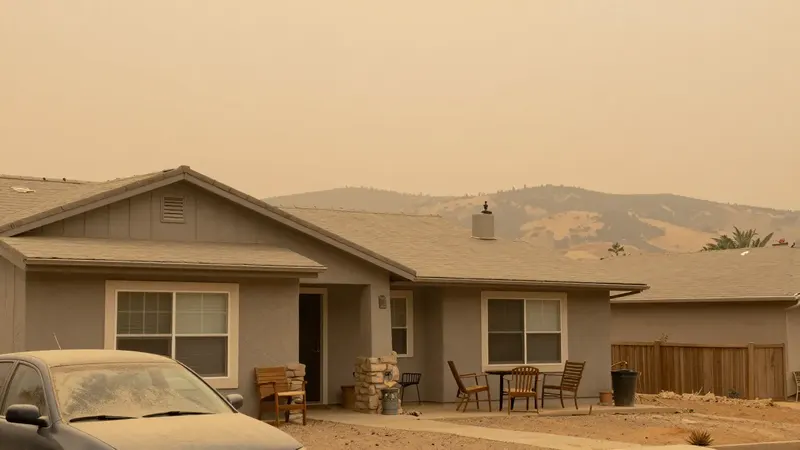
When a large wildfire burns nearby, smoke and fine ash can work into attics, ductwork, carpets and clothing even if the house never catches fire. Wood stoves and fireplaces add indoor fire risk during the long heating season.
Contractors commonly HEPA-vacuum ash, clean soot from hard surfaces, launder or clean textiles and treat odor in HVAC systems. Our smoke damage cleanup and fire damage restoration pages describe these steps.
Monsoon downpours, snowmelt and storm cleanup
Summer storms can drop heavy rain quickly, and spring snowmelt can send water toward foundations and crawlspaces. Land that has burned also tends to shed water faster, so runoff can be stronger after a fire season.
Muddy water off a burn scar or a soaked yard carries soil and bacteria, so it is never just clean rain once it reaches the floor. A reputable company will usually remove mud and wet materials, sanitize and dry. Read about flood cleanup and storm damage cleanup for wind, snow and fallen tree damage.
Mold in mountain homes
Cabins and seasonal homes that sit closed for weeks are prone to mold if a leak goes unnoticed. Crawlspaces, under-sink cabinets and walls near a frozen pipe break are common places to find it.
EPA guidance indicates small patches under about 10 square feet can usually be cleaned by the homeowner with protection. For larger areas, look for a contractor offering mold remediation with containment and moisture correction.
Safety first in Show Low
- Call 911 for fire, smoke, gas odors, injuries or carbon monoxide alarms.
- Follow evacuation orders during wildfire events, and do not return until officials allow it.
- Shut off the main water valve when a pipe bursts.
- Keep heat on, or drain the plumbing, in homes that will sit empty in winter.
- Wear an N95 mask and gloves when handling ash.
- Document damage with photos and contact your insurer; coverage depends on your policy.
Neighborhoods and nearby communities
Nearby communities with their own pages (straight-line distance from Show Low):
- Winslow · 65 mi
- Globe · 74 mi
- Payson · 74 mi
- Zuni Pueblo, NM · 88 mi
- Gold Canyon · 99 mi
- Safford · 100 mi
Show Low restoration FAQs
Did the Rodeo-Chediski Fire reach Show Low?
No. The 2002 fire forced an evacuation of the city but was stopped less than half a mile from city limits. It burned about 468,600 acres in the region before it was brought under control in July.
How do I protect a second home in Show Low over the winter?
Keep the heat on at a safe setting or have the plumbing drained, shut the main water valve, and arrange for someone to check the house after cold snaps and storms.
Can wildfire smoke damage my home even if it does not burn?
Yes. Smoke and ash can enter through vents and gaps and settle on surfaces and in ducts. Cleaning and odor treatment are often needed after a nearby fire.
Do you take calls from Pinetop-Lakeside and Snowflake?
Yes. Pinetop-Lakeside, Taylor, Snowflake and other Navajo County towns can use the same number. Whether an independent contractor is available depends on location and timing.
Restoration guides
- Burst Pipe Water Damage
- Ceiling Water Damage Repair
- Smoke Damage Cleanup
- Fire Damage Restoration
- Flood Cleanup
- Mold Remediation