
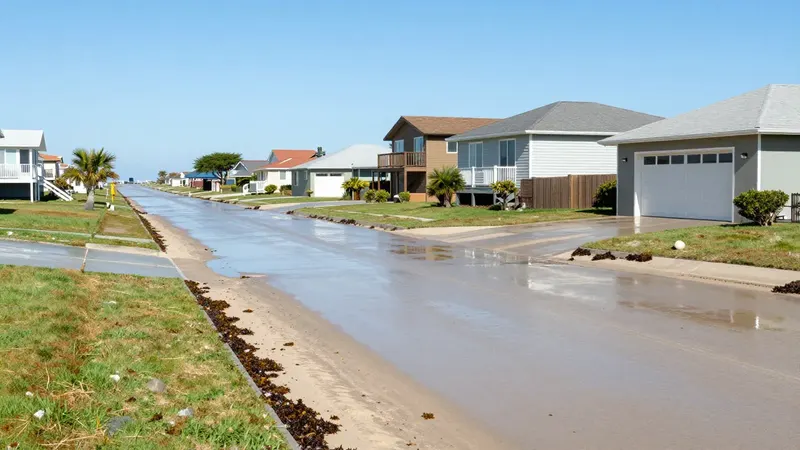
Garden City, often called Garden City Beach, is a census-designated place in southern Horry County that runs south from Surfside Beach toward the mouth of Murrells Inlet, with part of the developed beach crossing into Georgetown County. Nearly half of its roughly 10,000 housing units were counted as vacant in 2020, a sign of how many are rentals and second homes that can sit empty when a leak or storm hits.
Fire & Water Energy runs a referral phone line; we are not a restoration company. Call (866) 937-3230 and we'll try to line you up with an independent contractor who handles storm, water, fire or mold work around Garden City. Our referral disclosure covers the details.
Oceanfront exposure and a long hurricane record
Wikipedia calls Hurricane Hazel on October 14, 1954 the worst disaster in the community's history, leaving only two houses habitable. In September 1989, Hurricane Hugo destroyed 43% of beachfront structures and the Kingfisher Pier. The rebuilt pier reopened in 1992.
Average yearly rainfall is about 54.6 inches, and September, the heart of hurricane season, is the wettest month at roughly 6.4 inches. Horry County has been part of eleven FEMA major disaster declarations since 2000, among them Hurricane Charley and Tropical Storm Frances (2004), Hurricane Matthew (2016), Hurricane Irma (2017), Hurricane Florence (2018), Hurricane Dorian (2019), Hurricane Ian (2022) and Tropical Storm Debby (2024), plus the 2015 floods and ice storms in 2004 and 2014.
Water damage in beach rentals and second homes
An unoccupied condo or cottage can leak for days before anyone notices. Burst washer hoses, cracked toilet tanks, clogged AC condensate drains and failed water heaters are typical starting points, and a leak in an upper unit often travels down into the one below. Salt air can also speed up corrosion on outdoor fittings and HVAC components.
Water damage restoration in Garden City usually starts with emergency water removal and then careful drying with moisture monitoring. If the owner lives elsewhere, ask a contractor whether they can send photos and moisture logs so you can follow progress remotely.
Federal disaster declarations that included Horry County
FEMA records show Horry County was included in 11 major disaster declarations for weather or fire events from 2000 through 2026 (7 hurricane, 2 severe ice storm, 1 tropical storm, 1 flood, by FEMA incident type). Declarations are made at the county level, so they do not mean every neighborhood in Garden City was affected. The most recent:
- 2024 – Tropical Storm Debby (DR-4835)
- 2022 – Hurricane Ian (DR-4677)
- 2019 – Hurricane Dorian (DR-4464)
- 2018 – Hurricane Florence (DR-4394)
- 2017 – Hurricane Irma (DR-4346)
- 2016 – Hurricane Matthew (DR-4286)
Source: OpenFEMA Disaster Declarations Summaries, retrieved 2026-10-10. Counts include major disaster (DR) declarations with hurricane, flood, severe storm, tropical storm, fire, tornado, coastal storm, winter or ice storm, mudslide and dam/levee incident types.
Water, fire or storm damage in Garden City?
Call (866) 937-3230 and tell us what happened at your Garden City property.
Fire and smoke problems in closely spaced coastal buildings
Grills on balconies, kitchen mishaps by short-term guests and electrical issues are realistic fire risks in a vacation area. In attached condos or tightly spaced cottages, smoke can move into neighboring units through shared walls, attics and ventilation.
Restoration professionals usually start by checking structural safety, then remove soot, clean contents and neutralize odors. Visit our fire damage cleanup and smoke odor removal pages to see what that involves. If you manage a rental, document the damage before guests or cleaners move anything.
Storm surge, wind-driven rain and hurricane cleanup
At around 20 feet in elevation and directly on the ocean, Garden City faces surge, wind and heavy rain whenever a strong tropical system nears the Grand Strand. Saltwater flooding is especially hard on drywall, insulation, wiring and appliances, and wind can peel back roofing and let rain pour in. During Hurricane Ian in 2022, the National Weather Service found that surge breached the dunes here, flooded streets and parking lots, and left debris lines about four feet up on the first floors of some beachfront homes.
Our hurricane damage cleanup and flood cleanup pages cover debris removal, mucking out and drying. Expect flood-soaked porous materials to be removed rather than saved, since outside water is considered contaminated.
Coastal humidity and mold growth
Muggy summers with average July highs near 90 degrees make mold a real concern in beach properties, especially those closed up with the air conditioning off. After any water event, closets, under-sink cabinets and wall cavities are common places for growth.
The EPA notes homeowners can often tackle mold covering less than about 10 square feet. For larger areas, hidden growth, or mold following saltwater or sewage flooding, look into professional mold remediation with containment and air filtration.
Hurricane season safety in Garden City
- Learn your evacuation zone through Horry County's Know Your Zone page and leave when officials order it.
- Sign up for Code Red alerts through Horry County Emergency Management.
- Call 911 for fire, gas leaks, injuries or anyone trapped.
- Don't return or turn power back on until officials say it's safe and wiring has dried and been checked.
- Photograph every room before cleanup and contact your insurer promptly. Wind and flood are often covered under separate policies, so check what yours includes.
Neighborhoods and nearby communities
Nearby communities with their own pages (straight-line distance from Garden City):
- Murrells Inlet · 3 mi
- Socastee · 6 mi
- Myrtle Beach · 10 mi
- Conway · 17 mi
- Georgetown · 22 mi
- North Myrtle Beach · 24 mi
Garden City restoration FAQs
How bad have hurricanes been in Garden City?
Very bad at times. Hurricane Hazel in 1954 left only two houses habitable, and Hurricane Hugo in 1989 destroyed 43% of the beachfront structures. That history is why evacuation orders here deserve to be taken seriously.
Where can I check my hurricane evacuation zone?
Horry County Emergency Management has a Know Your Zone page on its website, along with evacuation and shelter information. Look it up before the season starts so you aren't searching during a storm.
My rental unit leaked while it was empty. Who should I call?
Shut off the water if you or a manager can reach the unit, then photograph everything. Call (866) 937-3230 and we'll try to connect you with an independent contractor who works on the south end of the Grand Strand. Let the HOA or neighboring unit owners know if water may have spread.
Does homeowners insurance cover storm surge damage?
Surge is normally treated as flooding, which standard homeowners policies typically exclude. Many coastal owners carry separate flood and wind coverage. Ask your agent exactly what your policies include before hurricane season.
Why is mold such a problem in beach houses?
Warm, humid air and properties that sit closed for weeks create ideal conditions. Keeping the AC or a dehumidifier running and fixing leaks quickly go a long way toward preventing it.
Restoration guides
- Hurricane Damage Cleanup
- Flood Cleanup
- Emergency Water Removal
- Water Damage Restoration
- Smoke Odor Removal
- Mold Remediation