
Columbia sits on the fall line near the center of South Carolina, where the Piedmont drops to the Coastal Plain and the Broad and Saluda rivers combine into the Congaree. The October 2015 rains turned local creeks into torrents, broke a dam at Fort Jackson and left every city resident under a boil-water advisory. Summers here are hot and humid, which matters for drying and mold once water gets inside.
Fire & Water Energy is not a restoration company; we make referrals. Call (866) 937-3230 and we will try to connect you with an independent contractor serving Columbia and Richland County, depending on who is available locally. Our how it works page and referral disclosure explain more.
Rivers, the fall line and inland tropical weather
The city averages about 45 inches of precipitation a year, with a summer peak driven by afternoon thunderstorms. Snow is light, around 1.2 inches in an average year, but winter weather still shows up in the record: Richland County was included in a 2004 Severe Ice Storm declaration (DR-1509) and a 2000 Severe Winter Storm declaration.
Hurricanes weaken before reaching the Midlands, yet their rain and wind still arrive. Since 2000 the county has been part of eight FEMA major disaster declarations, including Hurricane Helene (DR-4829) in 2024, Hurricane Ian in 2022, Hurricane Irma in 2017, Hurricane Matthew in 2016 and the 2015 Severe Storms and Flooding declaration (DR-4241).
What 2015 taught about Gills Creek and local flooding
During the October 2015 storm, rainfall near Columbia was described as a 1-in-1000-year event. Gills Creek rose to 17.08 feet before its gauge stopped reporting, far above its previous record of 9.43 feet from July 1997. A dam on Semmes Lake at Fort Jackson collapsed, a curfew was imposed and damaged water lines led to a citywide boil-water advisory.
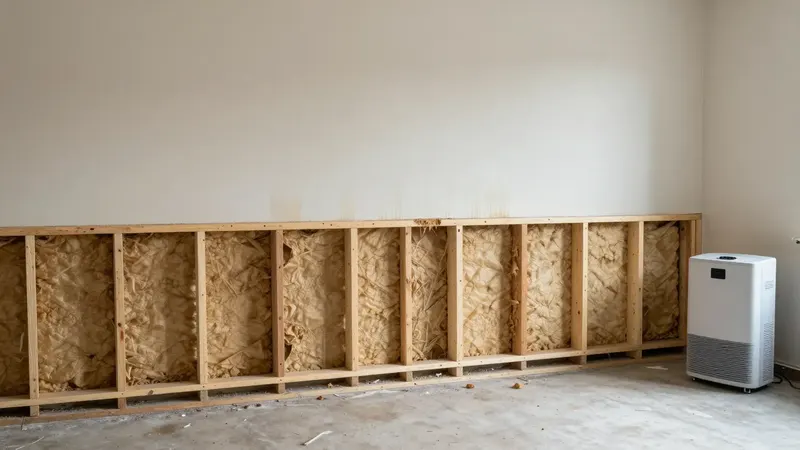
Homes near creeks and low ground can take in floodwater carrying sewage and debris. Flood cleanup generally includes extracting water, removing wet drywall and flooring, disinfecting and drying. Where crawl spaces or lower levels fill, basement flood cleanup may also apply.
Federal disaster declarations that included Richland County
FEMA records show Richland County was included in 8 major disaster declarations for weather or fire events from 2000 through 2026 (5 hurricane, 1 flood, 1 severe ice storm, 1 severe storm, by FEMA incident type). Declarations are made at the county level, so they do not mean every neighborhood in Columbia was affected. The most recent:
- 2024 – Hurricane Helene (DR-4829)
- 2022 – Hurricane Ian (DR-4677)
- 2017 – Hurricane Irma (DR-4346)
- 2016 – Hurricane Matthew (DR-4286)
- 2015 – Severe Storms and Flooding (DR-4241)
- 2004 – Tropical Storm Frances (DR-1566)
Source: OpenFEMA Disaster Declarations Summaries, retrieved 2026-10-10. Counts include major disaster (DR) declarations with hurricane, flood, severe storm, tropical storm, fire, tornado, coastal storm, winter or ice storm, mudslide and dam/levee incident types.
Water, fire or storm damage in Columbia?
Call (866) 937-3230 and tell us what happened at your Columbia property.
Everyday water damage restoration in Columbia homes
Outside of major storms, the usual causes are roof leaks from summer downpours, overflowing HVAC condensate lines during long cooling seasons, failed water heaters and supply lines, and occasional pipe breaks during hard freezes. Historic districts such as Elmwood Park, Old Shandon and Waverly include older homes whose plumbing and roofing may need closer attention.
For water damage restoration in Columbia, contractors commonly stop the source, measure moisture, remove materials that can't be saved and run dehumidifiers and air movers. Rebuilding afterward is covered under water damage repair.
Fire, smoke and soot in a historic city
Columbia knows fire history well; much of the city burned in February 1865. Today, house fires from cooking, electrical faults and heating equipment are the more typical concern, and smoke can damage rooms far from the flames.
Fire damage restoration usually involves boarding up openings, removing debris, cleaning soot, deodorizing and then rebuilding. Water from firefighting often needs drying too, so ask the contractor how they will handle both.
Humidity and mold after water gets in
Hot, humid Midlands summers keep moisture in the air, so wet drywall, insulation and wood can grow mold quickly if they are not dried. Running the air conditioner and dehumidifiers after a leak helps, but saturated materials often need to come out.
The EPA notes that homeowners can often clean mold patches up to about 10 square feet. Larger growth, mold in HVAC ducts, or mold after floodwater is better handled through mold remediation with containment and filtration.
Staying safe in Columbia after a storm or leak
- Call 911 for emergencies, including fire, injuries, a gas smell or people trapped by water.
- Never drive into flooded roads; the one death in Columbia during the 2015 flood happened when a car was swept away.
- If officials issue a boil-water advisory, follow it until it is lifted.
- Take photos of all damage before cleanup and keep receipts for emergency repairs.
- Call your insurance agent early; coverage depends on your policy, and flood damage typically requires separate flood insurance.
For other areas of the state, visit our South Carolina service areas.
Neighborhoods and nearby communities
Areas in and around Columbia that callers often mention include:
- Arsenal Hill
- Congaree Vista
- Cottontown/Bellevue
- Elmwood Park
- Five Points
- Granby Mill Village
- Old Shandon
- Rosewood
- University Hill
- Waverly
- BullStreet District
- Downtown Columbia
Nearby communities with their own pages (straight-line distance from Columbia):
- West Columbia · 2 mi
- Forest Acres · 3 mi
- Cayce · 3 mi
- Dentsville · 6 mi
- Oak Grove · 6 mi
- Woodfield · 7 mi
Columbia restoration FAQs
How high did Gills Creek get in the 2015 flood?
Gills Creek reached 17.08 feet on October 4, 2015 before the gauge stopped reporting. The previous record was 9.43 feet, set in July 1997. Homes along Columbia's creeks should have a flood plan and consider flood insurance.
Do hurricanes really affect Columbia, so far inland?
Yes. Storms usually weaken before arriving, but heavy rain, wind and fallen trees still reach the Midlands. Richland County was part of FEMA declarations for Hurricane Helene, Ian, Irma and Matthew.
Why does my older Shandon or Elmwood Park home seem to get leaks more often?
Older houses can have aging roofs, flashing and plumbing that are more prone to failure during heavy summer storms. Regular inspection helps. If materials are very old, ask contractors whether testing for lead or asbestos is needed before demolition.
What should I do if water service is disrupted after a storm?
In 2015, damaged water lines led to a boil-water advisory for all Columbia residents. Follow official instructions from the city and county, and use bottled or boiled water until the advisory is lifted.
Does Fire & Water Energy send its own crews?
No. We are a referral service only. When you call (866) 937-3230, we try to connect you with an independent restoration contractor serving Columbia, subject to availability.
Restoration guides
- Flood Cleanup
- Water Damage Restoration
- Water Damage Repair
- Basement Flood Cleanup
- Fire Damage Restoration
- Mold Remediation